Strategies to Overcome Performance Anxiety in Sports

Strategies to Overcome Performance Anxiety in Sports
Performance anxiety in sports is a challenge that athletes across all levels often face, whether they’re seasoned professionals or weekend warriors. In the competitive world of athletics, the pressure to perform at one’s best can lead to overwhelming feelings of nervousness, fear of failure, and self-doubt. In 2025, as the sporting environment continues to evolve with advancements in technology and mental health awareness, understanding how to navigate performance anxiety effectively has never been more crucial. This article explores actionable strategies that athletes can adopt to overcome performance anxiety and perform at their peak.
Understanding Performance Anxiety in Sports
Performance anxiety, often referred to as “choking,” manifests as intense worry or nervousness that disrupts an athlete’s ability to perform at their best during crucial moments. It can stem from various factors, including the pressure to win, fear of judgment, or past failures. Athletes might experience physiological symptoms such as increased heart rate, sweating, and nausea, which can be detrimental to their focus and performance. Understanding these triggers is the first step in formulating effective strategies to counteract anxiety.
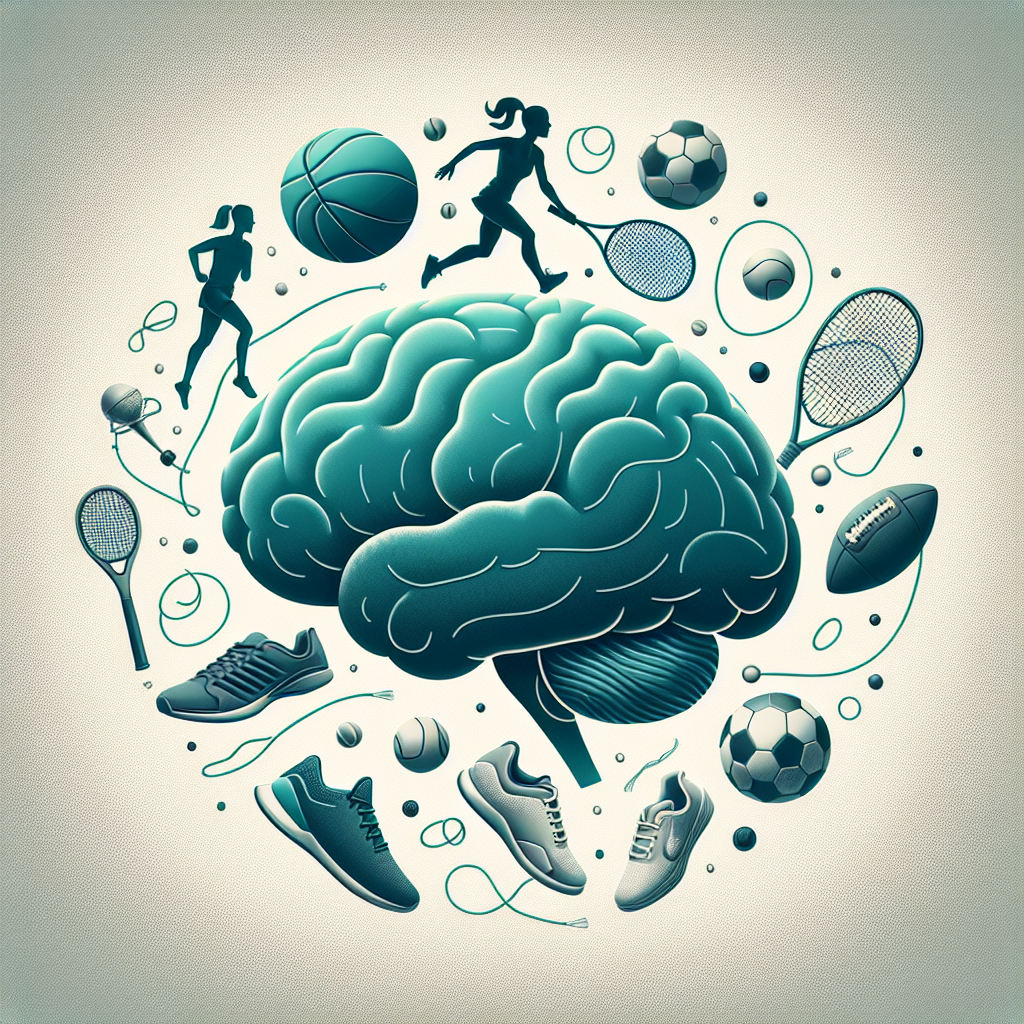
In recent years, sports psychology has gained traction, offering insights into how the mind influences athletic performance. The relationship between mental resilience and physical performance has become more evident, especially as athletes now recognize that mental training is just as vital as physical conditioning. Techniques such as visualization, mindfulness, and cognitive restructuring have been proven effective in preparing athletes mentally for competition, allowing them to manage anxiety more effectively.
Effective Cognitive Strategies to Manage Anxiety
Cognitive strategies are essential tools for athletes looking to manage performance anxiety. One of the most effective techniques is cognitive restructuring, which involves identifying and challenging negative thoughts that contribute to anxiety. For instance, an athlete may have thoughts like, “If I don’t win, I’ll be a failure.” By reframing such thoughts to a more positive or neutral stance, such as, “I will give my best effort, and that’s what matters,” athletes can alter their mindset. This supportive internal dialogue fosters a more positive outlook, reducing the likelihood of anxiety impacting performance.
Visualization is another powerful cognitive strategy. Athletes can engage in mental imagery, where they visualize themselves performing successfully, executing skills flawlessly, and experiencing triumph. This process not only enhances confidence but also prepares the brain for success, creating a mental blueprint that athletes can refer to during competition. When combined with deep breathing exercises, which promote relaxation and help control physiological responses to anxiety, visualization can significantly enhance an athlete’s performance.
The Role of Physical Conditioning and Preparation
Physical conditioning plays a critical role in managing performance anxiety. A well-prepared athlete is inherently more confident, and this confidence can translate to reduced anxiety levels. Rigorous training routines, tailored to meet the demands of the sport, help athletes build endurance, strength, and skills—key factors that contribute to their confidence. Moreover, maintaining a consistent training schedule reinforces the idea that an athlete is capable of enduring the challenges that competition brings.
In addition to structured workouts, incorporating exercises that focus on relaxation and body awareness can also be beneficial. Techniques such as yoga, tai chi, or pilates allow athletes to connect with their bodies and develop a fitness routine that promotes mental calmness. These disciplines enhance flexibility, balance, and core strength while simultaneously teaching athletes to manage stress and anxiety through controlled breathing and focused movements.
Furthermore, establishing a pre-competition routine can play a crucial role in reducing anxiety. Whether it’s listening to motivational music, engaging in a specific warm-up regimen, or participating in team bonding activities, having a predictable sequence of actions before competition can ease nerves and instill a sense of control. Athletes are likely to feel more composed when they know what to expect, significantly limiting anxiety onset during competitions.
Embracing Support Systems and Open Communication
Leveraging support systems is a critical component of overcoming performance anxiety. Whether it’s coaches, teammates, family, or sports psychologists, having a strong support network can help athletes navigate mental challenges. Opening up about anxiety can provide relief and foster an environment where discussions about mental health are normalized, aiding other athletes who may be facing similar issues.
Coaches, in particular, have a significant influence on an athlete’s mental state. A supportive coach who emphasizes effort over outcomes can create a safe space for athletes, reducing the fear of failure. This positive reinforcement helps athletes focus on personal improvement rather than solely on winning, subsequently mitigating performance anxiety.
Moreover, incorporating mental health professionals into sports programs is increasingly being recognized as essential. Access to sports psychologists or mental health experts allows athletes to explore coping strategies tailored to their specific needs. In 2025, many sports organizations are investing in mental health resources to ensure athletes are equipped to handle the psychological demands of competition.
Utilizing Technology for Mental Training
In the digital age, technology plays an essential role in mental training and performance anxiety management. With a myriad of apps and online platforms designed for mindfulness and mental conditioning, athletes have access to tools that can enhance their mental game. Meditation apps, for example, allow athletes to practice relaxation techniques and mindfulness exercises, contributing to lower anxiety levels.
Furthermore, virtual reality (VR) is emerging as a groundbreaking tool in sports training, offering athletes immersive simulations of competitive environments. This technology enables athletes to experience competitive situations in a controlled setting, helping them prepare mentally and reduce anxiety in real-life situations. Exposure to simulated pressure scenarios can build resilience and improve coping strategies.
Data analytics also offers insights into performance patterns, allowing athletes to identify triggers of anxiety. By evaluating stress responses and performance, athletes can pinpoint areas for improvement and adopt techniques to enhance their mental focus during critical moments in competition.
Conclusion
Performance anxiety in sports is a common hurdle that can affect athletes’ performance and their overall enjoyment of the sport. By employing a combination of cognitive strategies, physical conditioning, support systems, and advanced technology, athletes can develop a robust toolkit to combat anxiety. Fostering a positive mindset through visualization and cognitive restructuring, engaging in physical preparation, utilizing support networks, and embracing innovative technologies are some of the most effective strategies to overcome performance anxiety. As the year 2025 unfolds, the focus on mental health in sports continues to grow, emphasizing the importance of addressing the psychological aspects to enhance athletic performance.
FAQs
1. What are the signs of performance anxiety in athletes?
Performance anxiety manifests as excessive worry, physical symptoms (like sweating or trembling), self-doubt, and a fear of failure. Athletes may also experience decreased confidence and difficulty concentrating during competitions.
2. How can visualization help reduce performance anxiety?
Visualization allows athletes to mentally rehearse successful performances. By creating a mental image of confidence and skill execution, athletes can build familiarity and reduce the uncertainty that contributes to anxiety.
3. Are there specific exercises for managing performance anxiety?
Yes, breathing exercises, progressive muscle relaxation, and mindfulness meditation can help manage performance anxiety. Regular practice can lead to better focus, relaxation, and overall mental well-being.
4. How does physical fitness impact performance anxiety?
Physical fitness contributes to an athlete’s confidence and mental toughness. A well-conditioned athlete is likely to feel more capable and less anxious when facing competition, as preparation reduces uncertainty about performance.
5. Is it okay to seek help for performance anxiety?
Absolutely. Seeking help from coaches, teammates, or mental health professionals is encouraged. Discussing anxiety openly can significantly alleviate stress and promote a supportive environment.