Sustainability Practices in Major League Baseball.
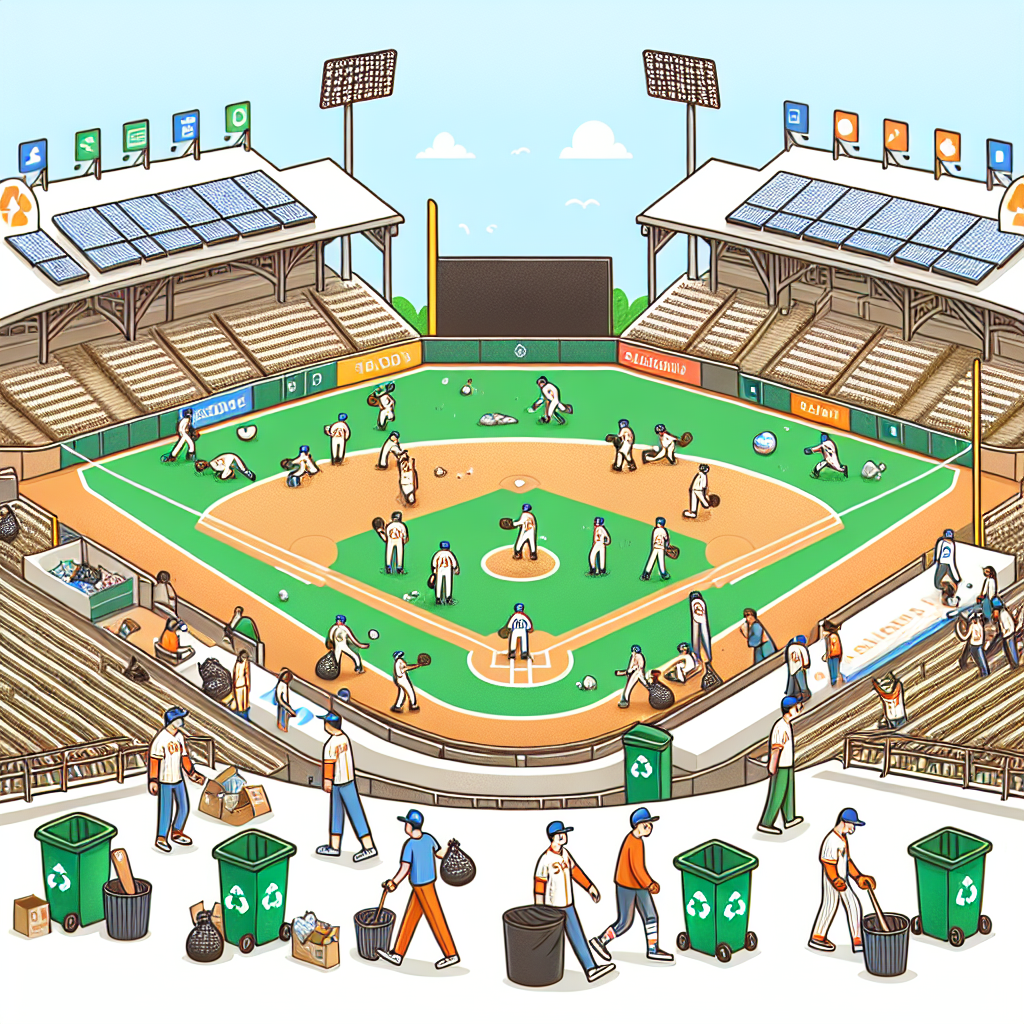
Sustainability Practices in Major League Baseball: Leading the Way to a Greener Future
In recent years, the importance of sustainability has rapidly escalated within various industries, and Major League Baseball (MLB) is no exception. As fans are becoming increasingly aware of environmental issues, MLB teams are stepping up to implement sustainability practices that benefit not only their organizations but also their communities and the planet as a whole. This article explores the various sustainability initiatives adopted by MLB teams as of 2025, the partnerships they have formed, and how these practices are reshaping the landscape of America’s pastime.
Sustainable Stadium Design and Renovation
Sustainable stadium design has emerged as a critical focus for MLB franchises looking to minimize their environmental impact. Teams are increasingly investing in green buildings that utilize energy-efficient materials and structural designs. For instance, the recent renovation of several ballparks has prioritized energy conservation techniques such as improved insulation, solar panels, and high-efficiency lighting. These upgrades not only reduce operational costs but also create a more pleasant and environmentally friendly experience for fans.
In 2025, many MLB stadiums are equipped with rainwater harvesting systems that collect and reuse water for irrigation and other non-potable applications. Moreover, enhanced recycling programs are now omnipresent, allowing fans to separate waste effectively during games, minimizing landfill contributions. These practices underscore the league’s commitment to sustainability and serve as models for other sports organizations and venues worldwide.
Waste Management and Recycling Initiatives
Waste management remains a crucial component of MLB’s sustainability efforts, particularly in the face of increasing waste generated during games. MLB teams are proactive in implementing comprehensive waste diversion programs, aiming to reduce the amount of waste sent to landfills. Programs like “Zero Waste” initiatives have been launched, encouraging fans to participate in recycling and composting efforts. Initiatives such as these have proven successful; in several stadiums, waste diversion rates have soared to over 90%.
To facilitate these goals, MLB teams are collaborating with local waste management services to ensure proper disposal of recyclable materials and organic waste. Additionally, many stadiums now offer biodegradable food packaging and utensils, significantly reducing their plastic footprint. Combined, these measures demonstrate an overarching commitment to environmental stewardship and create a template for other sectors to follow.
Energy Efficiency in Major League Baseball
Energy efficiency is a key component of the sustainability practices in Major League Baseball, and as of 2025, numerous teams have made strides toward reducing their overall energy consumption. A significant number of stadiums have installed LED lighting systems, which consume up to 75% less energy than traditional lighting. This initiative not only curtails energy usage but also enhances the fan experience with brighter, more uniform lighting during games.
Additionally, many teams have taken advantage of renewable energy sources, like solar and wind power, to help offset their energy needs. In 2025, teams such as the San Diego Padres have documented decreases in their carbon footprints due to commitments to purchasing renewable energy credits. These efforts do not only minimize environmental impact but also serve to engage fans who advocate for greener practices, creating a shared ethos around sustainability.
Furthermore, education plays a vital role in energy efficiency efforts within MLB. Teams regularly host workshops and educational campaigns that inform fans and local communities about the importance of energy conservation. By fostering engagement and awareness, MLB is not merely focusing on operational improvements but is also shaping a sustainable future through community involvement.
Community Engagement and Sustainability Awareness
Community engagement is a pivotal aspect of MLB’s sustainability initiatives. Teams are increasingly recognizing their responsibility to educate and involve their communities in environmental practices. Many teams have launched outreach programs that encourage local participation in sustainability efforts, including clean-up days and tree-planting events. These initiatives help strengthen community bonds while emphasizing the significance of environmental stewardship.
In 2025, educational programs targeting youth are becoming more prevalent within the league. MLB franchises are partnering with schools to create curricula focused on sustainability, delivering lessons on recycling, conservation, and biodiversity. This initiative not only helps cultivate a new generation of environmentally aware individuals but also reinforces the league’s commitment to making a difference both on and off the field.
Additionally, many teams are sourcing local products and advocating for local businesses as part of their sustainability practices. This not only helps reduce the carbon footprints associated with shipping but also bolsters local economies. By integrating community-focused initiatives with sustainability, MLB teams are nurturing relationships that extend beyond the ballpark, fostering a culture of environmental responsibility.
Innovative Partnerships and Collaborative Efforts
Innovative partnerships play an essential role in enhancing the sustainability practices within Major League Baseball. As of 2025, teams are actively collaborating with organizations such as the Natural Resources Defense Council (NRDC) and the EPA to leverage expertise and resources that promote environmentally responsible practices. These partnerships have led to the implementation of comprehensive sustainability guidelines, encouraging all 30 teams to adopt common standards related to waste management, energy efficiency, and sustainable design.
In addition to environmental organizations, MLB teams are working with corporate sponsors to initiate sustainability-focused campaigns. For example, several franchises have partnered with beverage companies to promote recycling initiatives at game venues, leading to visible changes in fan engagement and waste reduction. Such collaborations not only enhance sustainability efforts but also create meaningful dialogues around environmental responsibility among stakeholders.
Moreover, the collaboration extends beyond sustainability practices to include promotional events, where teams host sustainability-themed games. Fans participate in eco-friendly activities, such as bike-to-the-ballpark initiatives or incentives for using public transportation, creating a shared culture around green living. By integrating innovative partnerships and creative outreach, MLB is reshaping its image while paving the way for progressive advancements in sustainability.
Conclusion
As Major League Baseball continues to evolve, its commitment to sustainability practices stands out as a significant development in modern sports. From sustainable stadium designs and waste management to community engagement and innovative partnerships, MLB clubs are leading the way toward a greener future. In 2025, the integration of these sustainability practices reflects the league’s responsibility not just to its fans but to the planet as well. Through continued efforts and engagement, Major League Baseball is not only setting an example within the sports industry but also inspiring individuals and communities to embrace sustainable living.
FAQs
What are some of the key sustainability initiatives in Major League Baseball?
Major League Baseball has adopted several sustainability initiatives, including waste reduction programs, energy efficiency upgrades, community engagement activities, and sustainable stadium designs.
How do MLB teams manage waste during games?
MLB teams implement comprehensive waste management strategies that include recycling and composting programs, alongside educational campaigns encouraging fans to participate in waste diversion efforts at games.
Are MLB stadiums using renewable energy sources?
Yes, many MLB stadiums have started utilizing renewable energy sources, such as solar and wind energy, to offset their energy consumption and reduce their carbon footprints.