The Art of Political Messaging: Crafting the Perfect Campaign Narrative

The Art of Political Messaging: Crafting the Perfect Campaign Narrative
In today’s fast-paced and highly interconnected world, effective political messaging has become an essential tool for campaign success. Crafting the perfect campaign narrative not only helps candidates connect with voters but also ensures their messages resonate on multiple platforms. As we delve deeper into the intricacies of political messaging, we’ll explore how narratives are constructed, the power of storytelling, and how to effectively communicate key messages in 2025’s political landscape.
The Importance of Political Messaging for Campaign Success
Political messaging serves as the backbone of any successful campaign. It encompasses the way candidates present their policies, values, and visions to voters. In a time when public opinion can shift dramatically due to social media and breaking news, having a well-defined message is crucial. Campaigns without a specific narrative often fall flat, unable to garner the emotional and intellectual engagement needed to sway voters. This is particularly true in 2025, where the speed of information dissemination requires quick adaptability in political messaging strategies.
Furthermore, effective political messaging not only communicates campaign objectives but also builds a connection between the candidate and the electorate. This emotional bond can be the deciding factor in a tight race. In our analysis of recent elections, we can see how candidates who prioritize clear and consistent messaging are favored by voters, demonstrating the undeniable importance of a strategic political narrative.
Understanding Your Audience: Crafting Tailored Messages
Understanding the target audience is crucial for any successful campaign narrative. In 2025, campaigns must engage voters from diverse backgrounds with varying interests and concerns. This involves comprehensive research into the demographics of the voting populace – including age, race, gender, and socio-economic status. Campaigns that focus on personalized messaging are more likely to resonate with constituents, as they address their specific issues and aspirations directly.
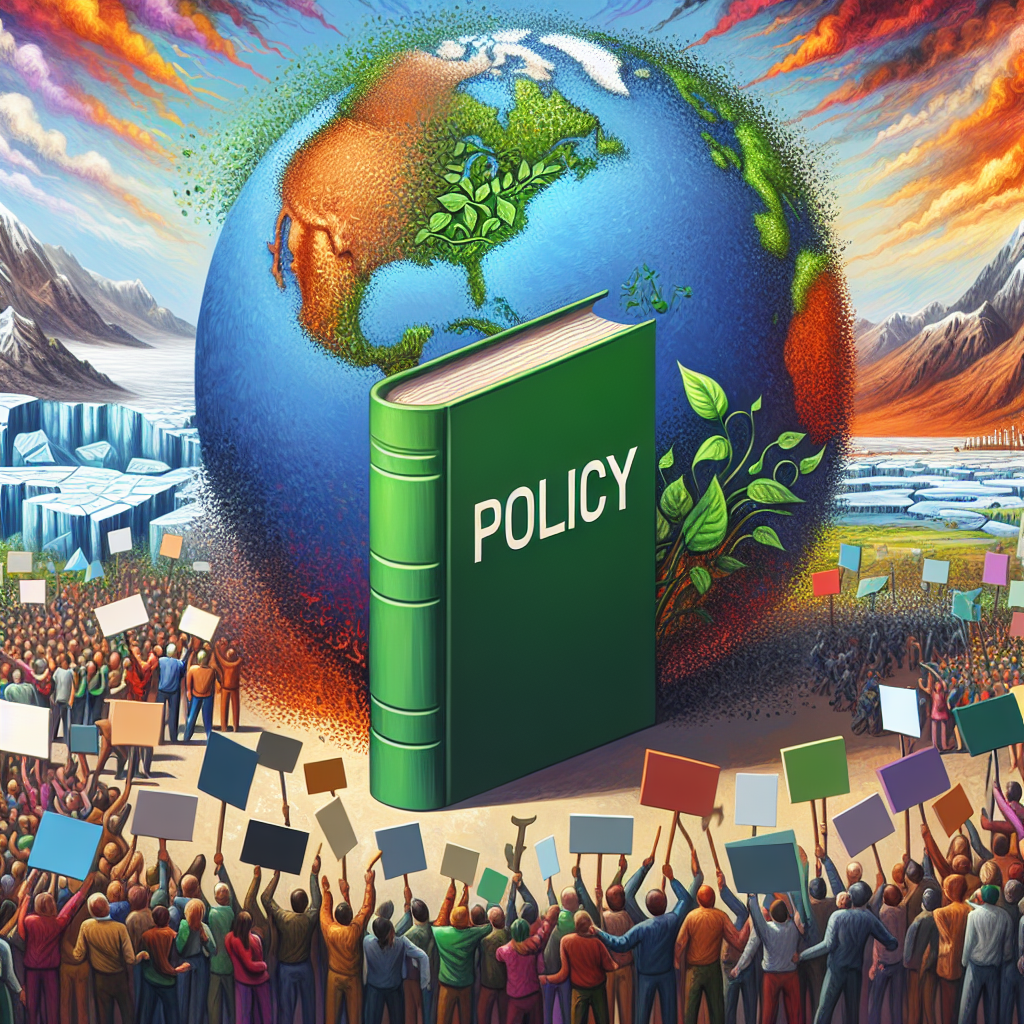
For instance, climate change has become a pressing concern for many voters. By tailoring narratives that speak to environmental policies and their potential impact on local communities, campaigns can forge a strong connection with eco-conscious constituents. It is essential to leverage data analytics and social media tools to better understand voter preferences and sentiments, allowing for highly targeted communication that will significantly enhance engagement and support.
The Role of Storytelling in Political Messaging
Storytelling is an integral aspect of effective political messaging, serving to humanize candidates and make their policies more relatable. In 2025, with the rise of social media and dynamic content formats, the ability to narrate compelling stories is more important than ever. Campaigns that utilize narratives with authentic human experiences can portray their candidates as empathetic and accessible.
Moreover, successful political stories tap into universal themes that resonate with the broader electorate. Whether it’s a tale of perseverance, community solidarity, or the pursuit of justice, these narratives create emotional connections that can motivate voters to act. Additionally, visual storytelling through videos and graphics can have a significant impact, making it easier for complex issues to be boiled down into relatable narratives that capture public interest.
The evolution of digital platforms allows for a two-way storytelling process, where voters can share their own stories and experiences in response to campaign narratives. This interaction not only amplifies the message but also makes voters feel more involved in the political process, deepening their commitment to the candidate’s vision.
Creating a Consistent and Cohesive Campaign Message
Once a campaign narrative is established, consistency in messaging is vital. Inconsistent or contradictory messages can confuse voters and diminish trust. In 2025, candidates must ensure that their messaging aligns across all platforms, from social media posts to campaign speeches and advertisements. This creates a unified front, reinforcing the candidate’s identity and platform.
Moreover, a cohesive message allows for smoother communication between various campaign arms, including volunteers, staff, and external stakeholders. Everyone involved in the campaign must be on the same page regarding the narrative, tone, and key talking points. Training sessions and clear documentation can help maintain this consistency and ensure that all campaign representatives convey the intended message effectively.
Additionally, it is critical to adapt the campaign message as situations evolve. As the political landscape changes, candidates may need to adjust their narratives and focus areas while ensuring that underlying themes and values remain intact. The ability to pivot without losing sight of core messages is a sign of a mature and responsive campaign.
Utilizing Technology in Political Messaging
In the era of digital transformation, technology plays a pivotal role in shaping political messaging strategies. The advent of artificial intelligence, machine learning, and data analytics has provided unprecedented insights into voter behavior and preferences. Campaigns must leverage these technologies to craft more effective messages that are tailored to individual voters.
For example, AI-driven platforms can analyze vast amounts of data to identify patterns and predict which issues will resonate most with specific voter demographics. This enables campaign teams to prioritize messaging strategies that are most likely to generate positive responses, effectively optimizing outreach efforts.
Furthermore, social media platforms have transformed the way political campaigns communicate with voters. In 2025, candidates must engage with voters through multiple channels and formats, including live Q&A sessions, interactive posts, and personalized messages. Navigating this digital landscape effectively can create strong, lasting impressions, allowing campaigns to foster a sense of community among supporters.
Conclusion
Mastering the art of political messaging is essential for any candidate looking to succeed in today’s fast-paced political environment. By understanding the importance of narrative, effectively tailoring messages to diverse audiences, utilizing the power of storytelling, ensuring consistency, and leveraging technology, campaigns can craft powerful narratives that resonate with voters. As we move forward in 2025 and beyond, the ability to connect genuinely with the electorate through strategic messaging will continue to determine electoral outcomes.
FAQs
What is political messaging?
Political messaging encompasses the strategies, narratives, and language used by candidates to communicate their policies and connect with voters.
Why is storytelling important in political campaigns?
Storytelling humanizes candidates and makes their policies more relatable, helping create emotional connections with voters.
How can campaigns ensure their message is consistent?
Campaigns should have clear documentation and conduct training sessions for all personnel involved, aligning everyone on key talking points and narratives.
What role does technology play in political messaging?
Technology allows campaigns to analyze voter data, tailor messages, and engage effectively across digital platforms, sharpening their outreach efforts.
How can campaigns tailor messages to specific audiences?
By conducting thorough demographic research and utilizing data analytics, campaigns can craft messages that directly address the concerns and interests of various voter segments.