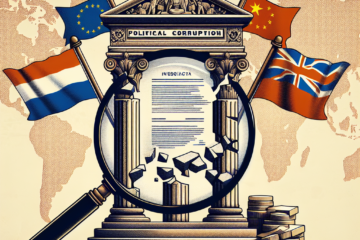
The Challenges of Electoral Reform in the 21st Century


The Challenges of Electoral Reform in the 21st Century
Electoral reform has become a pressing issue as democracies around the world grapple with the need for fairness, inclusivity, and efficiency in their voting processes. As we navigate through the complexities of the 21st century, the challenges of electoral reform heighten in prominence, necessitating a tailored approach that considers technological advancements, the diversification of political views, and changing public sentiments. This article delves deeply into the multifaceted challenges surrounding electoral reform today, providing valuable insights into how democracies strive to maintain legitimacy and public trust in elections.
The Need for Electoral Reform in Modern Democracies
The last decade has witnessed significant turmoil in various democracies, revealing deep-seated issues within electoral systems. One primary challenge is the growing disenfranchisement of voters, particularly among marginalized groups who often feel their voices are underrepresented. As nations like the United States and the United Kingdom approach elections in 2025, the urgency for electoral reform cannot be overstated. Systems that were once deemed robust are now facing scrutiny due to systemic inequalities, gerrymandering, and the influence of money in politics. Addressing these flaws is crucial not only for balancing representation but also for rejuvenating public trust in democratic institutions.
Moreover, technological advancements present both opportunities and challenges for electoral reform. The rise of digital voting systems and online registration is promising but also fraught with risks such as cyber-attacks and misinformation campaigns. In a landscape where misinformation can spread rapidly through social media, ensuring the integrity and security of elections has never been more critical. Policymakers must navigate this technological landscape to implement reforms that enhance accessibility, ensure anonymity, and safeguard election processes against disruptions.
<h2 Barriers to Implementing Effective Electoral Reform
Implementing electoral reform is fraught with obstacles, not least of which is the resistance from entrenched political interests. Politicians and parties that benefit from existing systems are often reluctant to support changes that could diminish their power, leading to a legislative stalemate. As witnessed in various instances across the globe, such as the gridlock over voting legislation in the United States, the resistance from established political factions can significantly stall advancements in electoral reform. The challenge lies in mobilizing bipartisan support to ensure that proposed reforms are viewed as beneficial to democracy as a whole, rather than as a tool for partisan gain.
Another substantial barrier is the complexity of public opinion on electoral reform. Voter preferences on issues like ranked-choice voting or proportional representation can vary significantly, leading to divisive viewpoints even among supposed allies. Public education and engagement become paramount in this context, as informing citizens about the benefits of different electoral systems is essential for garnering widespread support. Advocates for reform must not only address the concerns of diverse stakeholders but also navigate the political landscape in a manner that resonates with voters and encourages their participation.
Technological Implications for Electoral Reform
As we advance further into the digital age, the implications of technology on electoral reform become increasingly pronounced. In 2025, many nations are adopting electronic voting systems, which promise increased efficiency and accessibility. However, the transition from paper ballots to digital platforms raises concerns regarding cybersecurity and voter privacy. The potential for hacking and data breaches poses significant risks, warranting strict security measures and regulations to protect voter information. Policymakers must invest in robust infrastructure and conduct regular audits to safeguard against technological vulnerabilities that could undermine trust in the electoral process.
Additionally, technology can play a critical role in enhancing voter engagement and turnout. Mobile applications and online platforms can facilitate voter education, providing easily accessible information regarding candidates, issues, and the voting process itself. As seen in several countries, leveraging technology to create user-friendly interfaces for registration and voting can attract previously disenfranchised populations back into the electoral fold. However, striking a balance between innovation and security remains a challenge, necessitating ongoing dialogue among tech experts, policymakers, and civil society organizations.
Furthermore, technology’s role in shaping electoral reform includes addressing the rampant spread of misinformation. With social media becoming a dominant force in communication, fake news campaigns can significantly distort public perception and manipulate electoral outcomes. As we progress through the 2020s, electoral reform must also encompass new regulatory frameworks to combat misinformation while upholding freedom of speech. Effective strategies may include partnerships with social media companies to monitor and flag inaccurate content, alongside public awareness campaigns to educate citizens on identifying reliable sources of information.
The Role of Public Participation in Electoral Reform
Public participation is crucial in driving effective electoral reform. As citizens are the backbone of democracy, their involvement in the reform process can lend considerable legitimacy and ensure that any changes reflect the electorate’s needs and desires. Engaging citizens in dialogues and consultations can provide valuable insights into their experiences with the electoral system, revealing specific frustrations and expectations. For instance, public town hall meetings and online forums can facilitate open discussions where voters contribute to shaping reform proposals that resonate with diverse communities.
Moreover, active civic engagement encourages a culture of accountability within political parties. When voters are informed and actively participate in advocating for electoral reform, they hold elected officials accountable for their commitments to improve electoral processes. Initiatives like Voter Registration Drives and advocacy campaigns can empower citizens to demand reforms such as automatic voter registration and standardized voting procedures, thereby fostering a more responsive political ecosystem. When citizens feel their voices matter, they are more likely to participate in elections, ultimately strengthening democracy.
Additionally, success in electoral reform hinges on addressing historical inequities that have marginalized certain demographic groups. Ensuring that the voices of underrepresented populations are included in the reform conversation is essential for creating a system that reflects the broader society. Steps must be taken to prioritize outreach to these communities, addressing barriers to participation, and amplifying their viewpoints. Strategies such as collaborative partnerships with grassroots organizations can enhance engagement and ensure that reforms promote equity and fairness in the electoral process.
Global Perspectives on Electoral Reform Challenges
Electoral reform challenges are not unique to any single nation; they are a global phenomenon. Countries such as France, India, and Brazil exhibit their own electoral complexities, revealing that the need for reform transcends geographic and cultural boundaries. Each nation must grapple with its unique electoral processes, historical contexts, and societal dynamics. For instance, in many developing countries, corruption remains a significant impediment to credible elections, leading to the urgent call for reforms that promote transparency and integrity. These nations stand at a crossroads, where the adoption of technology and international best practices can facilitate change while respecting local traditions and customs.
In contrast, wealthier democracies face the challenge of addressing the influence of money on politics. The U.S. Supreme Court’s Citizens United decision exemplifies this issue, as it allows for significant corporate spending in elections. Advocates argue for campaign finance reforms that limit monetary influence, thereby fostering fairer competition among candidates. The global landscape presents an opportunity for nations to learn from one another; successful legislative initiatives regarding campaign finance rules, transparency laws, and voter empowerment strategies can be informed by international cooperation and shared experiences.
Finally, the rise of populism in various parts of the world emphasizes the need for electoral reforms that directly respond to citizens’ dissatisfaction with political elites and established parties. Populist movements often emerge from a feeling of exclusion in traditional political structures, prompting both a reactionary and proactive approach to reform. Addressing the concerns that fuel populism — such as economic dislocation, cultural displacement, and political alienation — necessitates electoral innovations that promise to bring government closer to the people, ensuring that democracy is both representative and responsive.
Conclusion
The challenges of electoral reform in the 21st century are multi-dimensional and pivotal for the future of democracies. Whether it’s tackling technological vulnerabilities, engaging the public, or navigating entrenched political interests, reformers face a daunting landscape. However, the necessity of reform is underscored by the need for inclusivity, equity, and integrity in electoral systems. As we look towards the future, the quest for effective and meaningful reforms must remain at the forefront of political discourse, ensuring that democratic institutions not only endure but thrive in the face of evolving challenges.
FAQs
What are the main challenges of electoral reform today?
The main challenges include entrenched political interests, public disenfranchisement, technological vulnerabilities, misinformation, and the need for inclusive representation.
How does technology impact electoral reform?
Technology can both enhance accessibility and efficiency in elections, and pose risks such as cybersecurity threats and misinformation; thus, careful integration and regulation are essential.
Why is public participation crucial in electoral reform?
Public participation ensures that reforms reflect the needs and desires of citizens, increase accountability among elected officials, and promote a more equitable electoral process.
What lessons can be learned from global electoral reform efforts?
Countries can share best practices concerning campaign finance, transparency, and voter outreach initiatives that promote inclusivity, integrity, and responsiveness in electoral processes.
How can misinformation affect electoral outcomes?
Misinformation can distort public perception, sway voter opinions, and manipulate electoral outcomes, thereby undermining the integrity of the voting process and democracy itself.