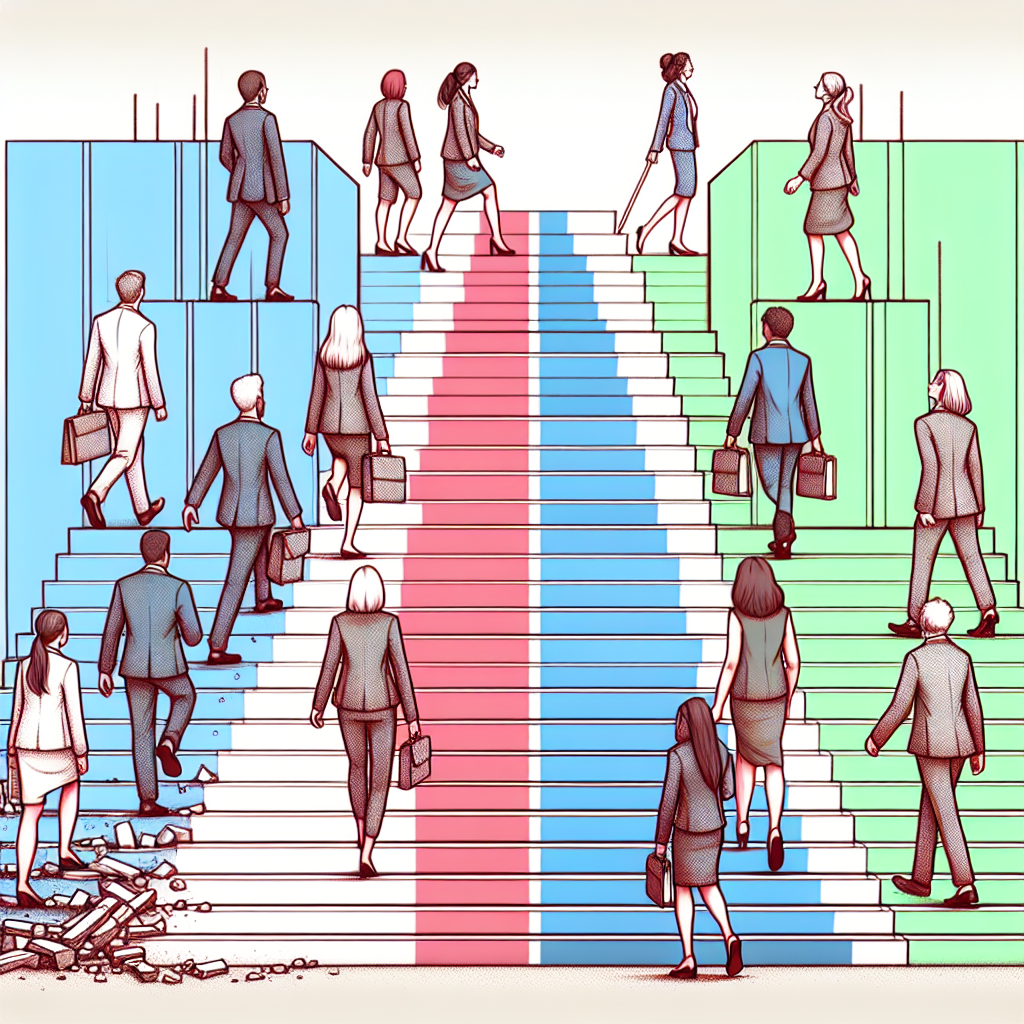
The Connection Between Mental Health and Political Engagement

Introduction
In today’s dynamic and increasingly complex socio-political landscape, the connection between mental health and political engagement has garnered significant attention. As 2025 unfolds, we find ourselves navigating a world where mental well-being and civic involvement are more intertwined than ever before. Understanding this connection can help individuals and communities foster a politically engaged citizenry that prioritizes mental health. This article delves into the multifaceted relationship between mental health and political engagement, exploring how emotional well-being influences participation in political processes and how civic involvement can, in turn, affect mental health.
The Psychological Impact of Political Events
The psychological landscape of society is deeply influenced by political events and developments. Major political shifts, elections, and policy changes often lead to a spectrum of emotional responses among the populace. For instance, the mounting influence of social media in today’s political discourse can intensify feelings of anxiety and helplessness among individuals, particularly during election cycles. Encountering a barrage of opinions and sensationalized content can be overwhelming, affecting one’s mental health and, consequently, their willingness to engage in political activities.
Moreover, the implications of political instability extend beyond immediate emotional discomfort. Studies indicate that prolonged exposure to political unrest can lead to chronic stress, depression, and anxiety. Consequently, individuals who experience these mental health challenges may feel further alienated from political engagement, creating a vicious cycle where mental health issues reduce civic participation, which in turn exacerbates feelings of disenfranchisement. It’s essential for communities to recognize the impact of these psychological responses on overall political engagement.
The Role of Political Engagement in Mental Health
While the emotional toll of political events can deter individuals from participating, political engagement can also serve as a protective factor for mental health. Engaging in political processes—such as voting, advocating for causes, or participating in community discussions—can foster a sense of agency and empowerment. When individuals feel that they have a say in the direction of their communities and governments, it can mitigate feelings of helplessness and anxiety, contributing positively to overall mental well-being.
Moreover, political engagement often leads to the formation of social networks that provide crucial support systems. Being a part of advocacy groups or civic organizations can create a sense of belonging and community, which is vital for mental health. This engagement not only reinforces individual purpose but also serves to enhance emotional resilience in the face of socio-political challenges.
Barriers to Political Engagement Among Those with Mental Health Challenges
Despite the potential positive effects of political engagement on mental health, many individuals with mental health challenges face significant barriers that impede their participation. Stigma remains a formidable barrier, as many who struggle with mental health issues may fear judgment from peers or communities. This stigma can lead to feelings of isolation and inadequacy, further dissuading individuals from engaging in political discourse and action.
Furthermore, logistical barriers greatly affect participation rates; people with mental health conditions may find it difficult to attend political meetings or mobilize for causes due to anxiety, social phobia, or other symptoms. Cognitive challenges can also complicate engagement, as concentration and decision-making abilities may be impaired during episodes of mental health crises. Addressing these barriers through inclusive policies and community support systems is crucial for enhancing political engagement among those affected by mental health issues.
Promoting Mental Wellness Through Political Activism
In 2025, advocacy for mental wellness has increasingly intersected with political action, as communities recognize the importance of addressing mental health at a systemic level. Mental health advocates are pushing for policy changes that prioritize mental health services, aiming to eliminate disparities in access and care. Political activism centered around mental health not only raises awareness but also serves as a platform for individuals to express their experiences, fostering collective action and reducing stigma.
Engagement in political activism has been shown to benefit mental wellness by promoting altruism and community involvement. When individuals channel their energies into advocating for social change, they may experience heightened feelings of purpose and fulfillment, reducing feelings of anxiety and depression. This phenomenon underscores the reciprocal relationship between mental health and political engagement: as more individuals engage politically to advocate for mental health resources, the community at large becomes more supportive of mental well-being.
Strategies for Fostering Political Engagement among Those with Mental Health Issues
To cultivate political engagement among individuals facing mental health challenges, communities must implement targeted strategies that address their needs and barriers. Initiatives such as safe spaces for discussion, workshops, and training programs can help demystify political processes, encouraging individuals to voice their opinions and participate more actively. These initiatives can also foster a sense of belonging and solidarity as participants see common struggles and experiences reflected in their peers.
Online platforms have emerged as valuable tools in promoting political engagement, particularly for those with mental health considerations. Virtual town halls, webinars, and social media campaigns can provide accessible avenues for participation, enabling individuals who may have mobility or social anxiety challenges to engage comfortably and on their terms. By leveraging technology, communities can create inclusive political landscapes that invite diverse voices to the table.
Training facilitators on the nuances of mental health can further enhance these strategies. Creating a more informed approach towards mental health in political engagement can empower advocates and community leaders to handle sensitive topics and foster supportive environments. This understanding can bridge the gap between the two areas, demonstrating that mental health and political engagement are not mutually exclusive but rather are interdependent.
Conclusion
The intricate relationship between mental health and political engagement highlights the necessity for awareness and action in both areas. As we navigate through 2025, it is evident that mental health challenges can hinder political participation, while political engagement can foster psychological resilience. Addressing the barriers that prevent individuals with mental health challenges from participating in civic matters is essential for creating a more inclusive society. By recognizing the interconnectedness of these domains, we can work towards cultivating a politically aware and mentally healthy populace that is better equipped to face the challenges of our time. Promoting mental wellness through activism can empower individuals and communities alike, fostering a healthy dialogue surrounding mental health and political engagement.
FAQs
1. How does political engagement influence mental health?
Political engagement can foster a sense of agency and community, enhancing well-being and reducing feelings of anxiety and helplessness.
2. What are some common barriers to political participation for individuals with mental health issues?
Stigma, logistical challenges, and cognitive difficulties are common barriers that impede political engagement among those facing mental health challenges.
3. How can communities promote political engagement among individuals with mental health challenges?
Communities can create safe spaces, utilize online platforms, and provide training for facilitators to foster inclusive environments that encourage participation.
4. Can political activism improve mental health?
Yes, political activism can promote feelings of purpose and community belonging, leading to better mental wellness for individuals involved.
5. What role does technology play in enhancing political engagement for those with mental health challenges?
Technology provides accessible platforms for participation, allowing individuals to engage comfortably and in a manner that suits their needs.