The Effect of Dark Money on Political Campaigns
The Effect of Dark Money on Political Campaigns
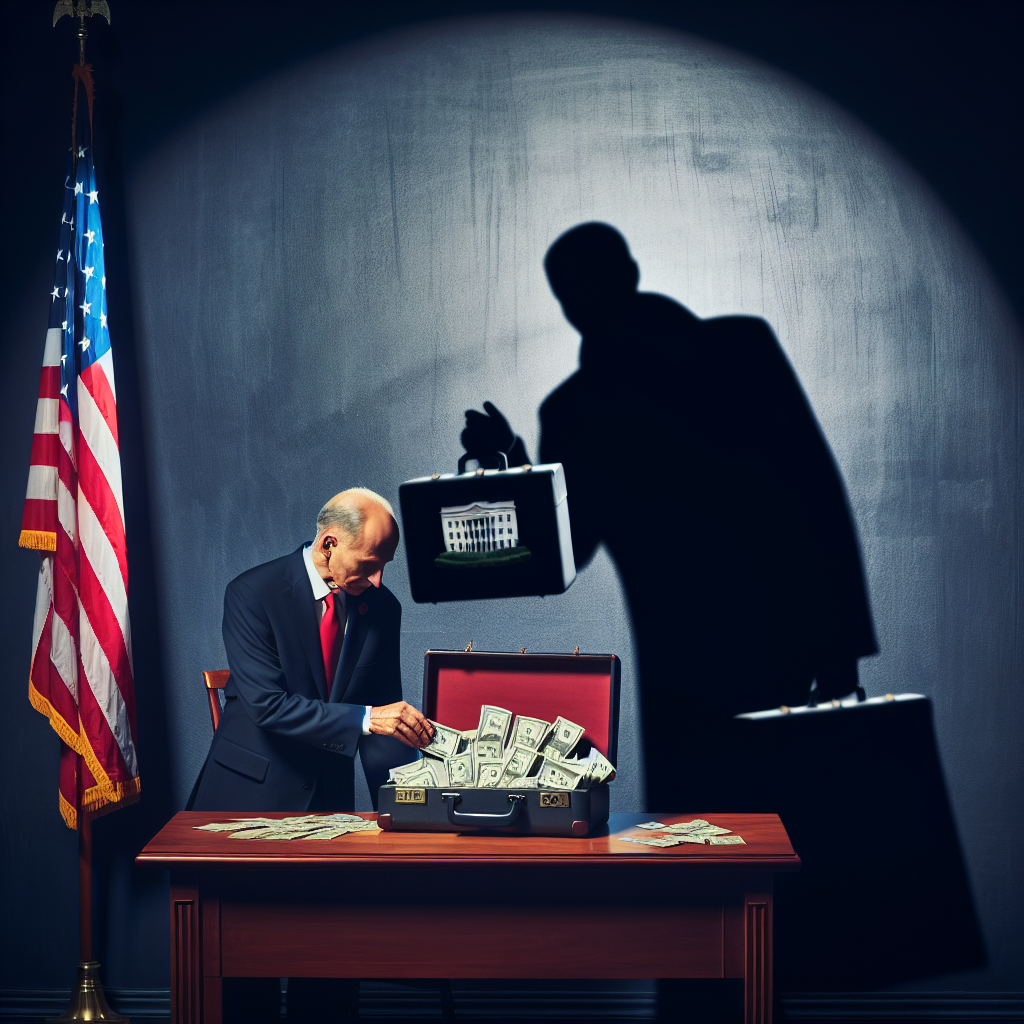
Political campaigns are the lifeblood of democracies around the world, serving as a platform for candidates to communicate their visions and policies to the electorate. However, an insidious force influences these campaigns: dark money. This term refers to political contributions made to nonprofit organizations that are not required to disclose their donors’ identities. In 2025, dark money has become a prominent area of concern within political discourse, shaping the electoral landscape in profound ways. Understanding the impact of dark money on political campaigns is crucial for preserving democratic integrity and ensuring transparency in the electoral process.
The Rise of Dark Money in American Politics
The concept of dark money has gained traction since the Supreme Court’s 2010 Citizens United v. FEC decision, which ruled that corporations and unions could spend unlimited amounts on political communications as long as they were independent of candidate campaigns. This ruling opened the floodgates for vast sums of money to enter the political arena, allowing shadowy organizations to exert influence over elections without accountability. By 2025, the scale of dark money in U.S. politics has reached unprecedented heights, with estimates suggesting that more than 70% of campaign financing in certain races can come from undisclosed sources.
With the increase of digital campaigning and social media platforms, the channels through which dark money can influence voters have also expanded. Funders of these shadow campaigns can target specific demographics more effectively, manipulating information and sentiment in a manner that is difficult to regulate or trace back to its origins. This has created a landscape where elections are significantly shaped by factors that voters are unaware of, leading to questions about the legitimacy of electoral outcomes.
Impact on Voter Perception and Trust
The secretive nature of dark money contributions directly affects voter perception and trust in the political system. When large sums of money are funneled into campaigns without clear disclosure of sources, voters may become skeptical of the motives behind candidates’ positions and actions. This skepticism can lead to disillusionment with the electoral process, decreasing civic engagement and voter turnout. By 2025, studies indicate that only about 55% of eligible voters actively participate in elections, a significant decline compared to previous decades, compounded by growing concerns about transparency and fairness in political funding.
Moreover, the ability of dark money groups to influence public opinion without accountability can skew the democratic process. These organizations can disseminate misleading advertisements or emotionally charged messages tailored to influence public sentiment, thereby overshadowing the candidates’ actual policies and qualifications. As a result, voters may be swayed by narratives that do not reflect their true interests or the realities of the political landscape.
The Role of Super PACs and Nonprofit Organizations
Super Political Action Committees (Super PACs) play a vital role in the dark money landscape, operating independently from candidates’ campaigns while raising unlimited funds. In 2025, the influence of Super PACs has only surged, allowing wealthy individuals and corporations to support candidates who align with their interests without directly contributing to their campaigns. This has raised significant concerns regarding the principle of equal representation, as candidates may prioritize the interests of their substantial financial backers over those of their constituents.
Nonprofit organizations, particularly those classified as 501(c)(4) groups, have also emerged as major players in the dark money scene. These groups can engage in political speech and lobbying while keeping their donor lists confidential. In the current legislative environment, these organizations have been instrumental in funding ads and campaigns that align with specific agendas—often those that favor special interests. Consequently, the policies that are shaped by this financial influence may reflect the priorities of a select few rather than the broader public.
Legislative Responses and the Call for Reform
In response to the overwhelming influence of dark money, there have been increasing calls for legislative reforms aimed at enhancing transparency in political finance. In 2025, several states have begun implementing measures that require organizations engaging in political advocacy to disclose their donors. However, these reforms vary widely across jurisdictions, making it difficult to adopt a standardized approach to combat dark money on a national level.
Advocacy groups are pushing for a constitutional amendment to overturn Citizens United and restore restrictions on corporate influence in politics. Although this is an uphill battle, public sentiment increasingly favors transparency and accountability in campaign finance. Polls indicate that approximately 70% of Americans believe that the government should take steps to limit the influence of dark money in elections. As public awareness grows, the pressure on lawmakers to enact meaningful reforms is likely to intensify in the coming years.
The Future of Political Campaigning in a Dark Money Landscape
Looking ahead, the landscape of political campaigning in the presence of dark money will continue to evolve as technology and fundraising tactics become more sophisticated. With the rise of artificial intelligence and data analytics, campaigns can utilize targeted messaging strategies that can sway voters, often funded by dark money sources. This manipulation will likely lead to increased polarization, as tailored messages can deepen existing divides among the electorate.
Moreover, as the electoral process becomes more intertwined with digital platforms, the potential for misinformation campaigns funded by dark money could become a predominant concern. Such tactics could threaten not only individual campaigns but also the overall integrity of the democratic process, as they distort the information landscape. In navigating these challenges, it is crucial for stakeholders—including citizens, legislators, and civic organizations—to advocate for a political environment that emphasizes integrity, transparency, and fair representation.
As the 2026 elections loom, candidates will need to prepare for an environment where dark money is a powerful and often unseen opponent. Grassroots efforts, innovative campaign strategies, and a focus on authentic engagement with voters will become increasingly important to counterbalance the effects of dark money influence.
Conclusion
The effect of dark money on political campaigns is profound and multifaceted, raising critical questions about the integrity and transparency of the electoral process. As undisclosed funding obscures the line between legitimate political discourse and corrupt influence, it is essential for voters, lawmakers, and advocacy groups to remain vigilant. The future of American democracy hinges on collective efforts to challenge dark money and foster a political system that prioritizes honesty and accountability.
FAQs
What is dark money in politics?
Dark money refers to political contributions made to nonprofit organizations or entities that are not required to disclose their donors. This lack of transparency allows individuals and corporations to influence election outcomes without accountability.
How did dark money become prevalent in U.S. politics?
The prevalence of dark money in U.S. politics surged following the 2010 Supreme Court decision in Citizens United v. Federal Election Commission, which allowed for unlimited spending by corporations and unions in political campaigns, creating opportunities for undisclosed contributions to flow into elections.
What are Super PACs, and how do they relate to dark money?
Super PACs are independent expenditure-only political committees that can accept unlimited contributions from individuals, corporations, and unions. Their ability to raise and spend money without disclosing contributions makes them a major vehicle for dark money in political campaigns.
Are there any existing laws regulating dark money?
While some states have implemented laws requiring certain organizations to disclose their donor lists, there is currently no comprehensive federal law regulating dark money as it relates to political contributions, making enforcement of transparency challenging.
What can be done to reduce the influence of dark money in politics?
Efforts to reduce dark money influence include advocating for stricter campaign finance laws, increasing transparency requirements for nonprofit organizations, and pushing for a constitutional amendment to overturn Citizens United, among other reforms aimed at restoring accountability in political funding.