The Effect of Globalization on Local Politics

The Effect of Globalization on Local Politics
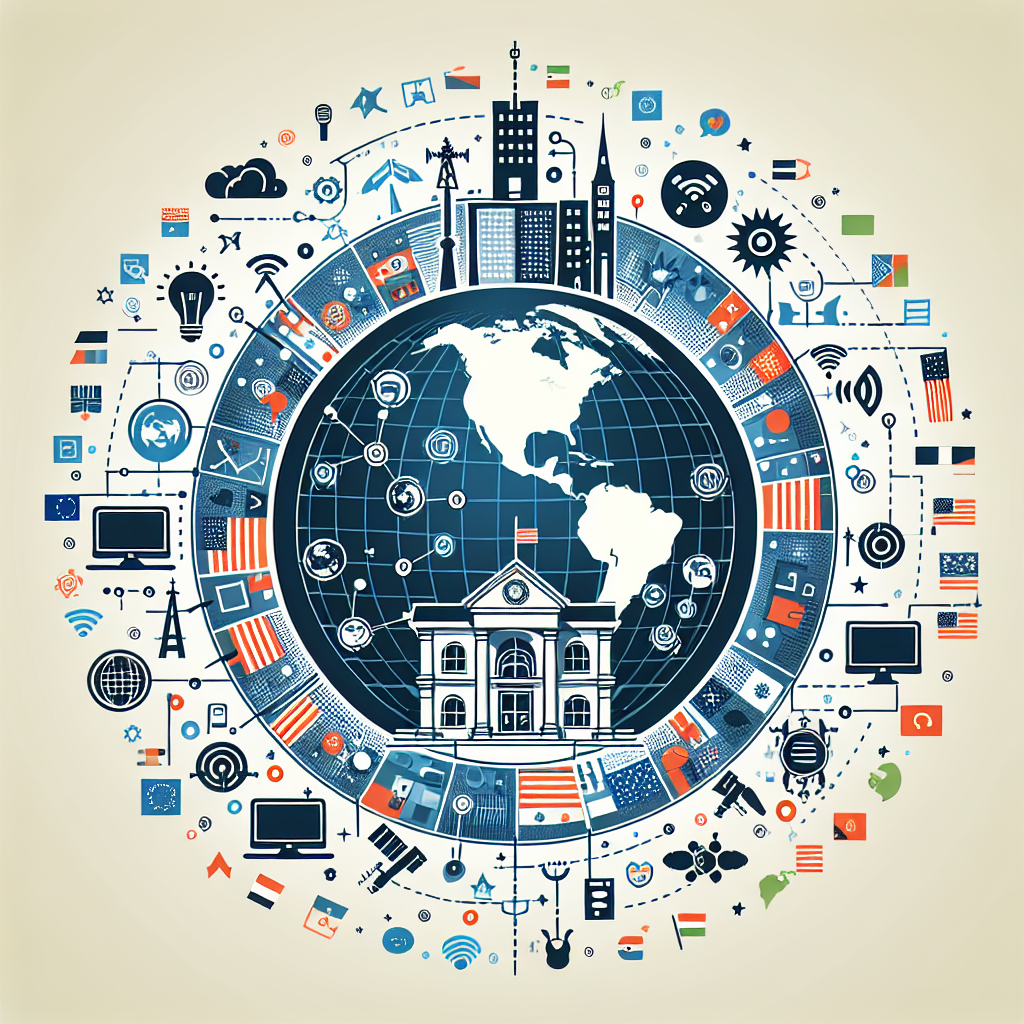
Globalization, an intricate web of interconnected economies, cultures, and political systems, has become a defining characteristic of our times. As we navigate through 2025, the impact of globalization on local politics cannot be overstated. From reshaping voter behavior to influencing policy decisions and even altering the power dynamics between local and international entities, the phenomenon of globalization has created a complex interplay between global and local governance. This article will explore these evolving dynamics, revealing how globalization is reshaping the political landscape in local communities across the globe.
The Interplay Between Globalization and Local Political Systems
Globalization has fundamentally altered the way local political systems operate. Traditionally, local politics was largely confined to regional or national issues, focusing on voters’ immediate needs and concerns. However, the influence of international trade, foreign investment, and global cultural exchanges has expanded the scope of these local political agendas. Policymakers are increasingly required to consider global implications of local legislation. For instance, local governance in cities like San Francisco or Barcelona now often involves discussions on climate change treaties and international trade agreements, which were previously arenas dominated by national politics.
Moreover, globalization facilitates the transfer of ideas and policies across borders. Local politicians often look to foreign models for inspiration on issues such as public health, education reform, and urban development. The exchange of information has resulted in innovative solutions for local problems, but it has also led to a homogenization of policy preferences, which may not necessarily align with the unique cultural and social needs of local populations. This growing dependency on global frameworks introduces a tension between local autonomy and external influences that could dictate local policy, ultimately reshaping the expectations and responsibilities of local governance.
Globalization and Political Participation
The rise of technology and social media has significantly changed political participation at the local level, with globalization playing a pivotal role. In today’s interconnected world, citizens gain access to an unprecedented amount of information and perspectives regarding political initiatives, making them more informed than ever before. Social media platforms have become vital tools for civic engagement, allowing local movements to rally support and spread awareness of issues ranging from environmental protection to social justice. This increase in political engagement reflects a heightened sense of global citizenship, where people feel a connection not only to their immediate localities but also to global movements advocating for change.
While global platforms enhance participation, they can also present challenges. Local politicians now find themselves competing for attention in a crowded digital space that includes international issues and movements. This can dilute the focus on local issues, as communities are fragmented by varying global narratives. Politicians must grapple with the challenge of balancing local priorities with the demands of a globally informed electorate, who expect accountability not just locally, but on a global scale. Consequently, the skills required for local political success have evolved, emphasizing the importance of digital literacy and the ability to communicate complex local issues within a larger global framework.
International Trade Agreements and Local Governance
International trade agreements are another significant aspect of globalization that substantially impacts local governance. Agreements such as the Trans-Pacific Partnership (TPP) or regional trade deals shape local economies by altering the landscape of local businesses, industries, and labor markets. Local governments often have to navigate the complex terrain of global trade norms, which can dictate local economic policies and priorities. For example, a trade agreement may favor multinational corporations over small local businesses, prompting local leaders to adapt their policies to protect local interests while remaining compliant with international standards.
Moreover, these agreements can also affect local labor markets, where globalization may lead to job displacement or the influx of foreign labor. Local governments must consequently implement policies that address the economic fallout from such shifts. As we see in 2025, cities are now more proactive in establishing local workforce development programs and providing support for communities affected by global trade changes. The focus on local workforce resilience illustrates a growing recognition of the necessity to adapt local governance frameworks to cushion the impacts of international economic policies while simultaneously fostering opportunities for growth.
The Influence of Global Culture on Local Politics
Globalization has also ushered in a wave of cultural exchanges that influence local political landscapes. In 2025, the proliferation of global media and cultural products—ranging from films to music—has led to a blending of cultural identities that can impact local political discourses. For instance, issues such as gender rights, racial equality, and environmental sustainability are now often informed by global movements that resonate with local populations. This alignment can empower local advocacy efforts but may also lead to conflicts between globally influenced agendas and traditional local values.
In many cases, local politicians have been compelled to adopt or at least acknowledge these global narratives, which can serve as catalysts for social change. However, this influence is a double-edged sword. While it has the potential to uplift marginalized communities and build coalitions around shared values, it can also provoke backlash from groups who feel their cultural identities are being undermined by these global trends. The response from local political entities, therefore, requires a nuanced understanding of both global influences and local sentiments to navigate the complexities of cultural integration into political policy effectively.
The Future of Local Politics in a Globalized World
As globalization continues to evolve, the future of local politics will inevitably transform. The landscape of local governance will likely see an increased collaboration across borders, with localities working together to address shared challenges such as climate change, public health, and economic development. By building networks with their counterparts in other regions, local governments can share best practices and resources, highlighting a collective approach to problem-solving that transcends traditional political boundaries.
However, the challenge of maintaining local identity amidst these global connections will remain an ongoing issue. Local politicians must strive to establish a balance between leveraging global resources and fostering community engagement to ensure that local voices are not lost in the process. Inclusivity and representation will be critical in shaping future political agendas that resonate with diverse constituents while reflecting their unique identities.
In this dynamic landscape, local governance may evolve towards a model of “glocalization,” where local issues are addressed through a global lens, harmonizing universal goals with specific local needs. By fostering an adaptive political environment that values both local insights and global perspectives, communities can become resilient future leaders, navigating the challenges and opportunities presented by globalization.
Conclusion
The interplay between globalization and local politics is complex and multifaceted, redefining how communities engage with governance and advocacy. As globalization continues to shape local political landscapes, future policymakers will need to strike a balance between global imperatives and local identities. By understanding the effects of globalization on political participation, trade, cultural influences, and collaborative governance, local authorities can navigate this evolving dynamic and build resilient communities that thrive in an interconnected world. The ongoing dialogue between global and local underscores the importance of considering a wide range of perspectives as we move forward into an increasingly globalized future.
FAQs
What is globalization’s impact on voter behavior?
Globalization has led to diverse sources of information for voters, encouraging them to adopt broader perspectives that often align with global movements. This can alter how they engage with local issues, prompting politicians to address both local and global concerns.
How do trade agreements affect local economies?
Trade agreements can reshape local economies by favoring large corporations at the expense of small local businesses, necessitating policies that protect local interests while adapting to international standards.
How does cultural exchange through globalization influence local politics?
Cultural exchange can introduce global values into local political dialogues, empowering advocacy efforts while potentially causing tensions with traditional beliefs. Local leaders must navigate these influences to address community concerns effectively.
What role does technology play in local political participation?
Technology, particularly social media, enhances political engagement by providing citizens access to a variety of perspectives. This transparency pushes local politicians to communicate effectively about local issues while addressing global expectations.
How might local politics evolve in response to globalization?
Local politics may shift towards more collaborative approaches that emphasize partnerships with other regions, focusing on shared global challenges while maintaining local identities. The concept of “glocalization” will likely become central in future governance models.