The Evolution of Political Campaign Strategies in the Digital Age

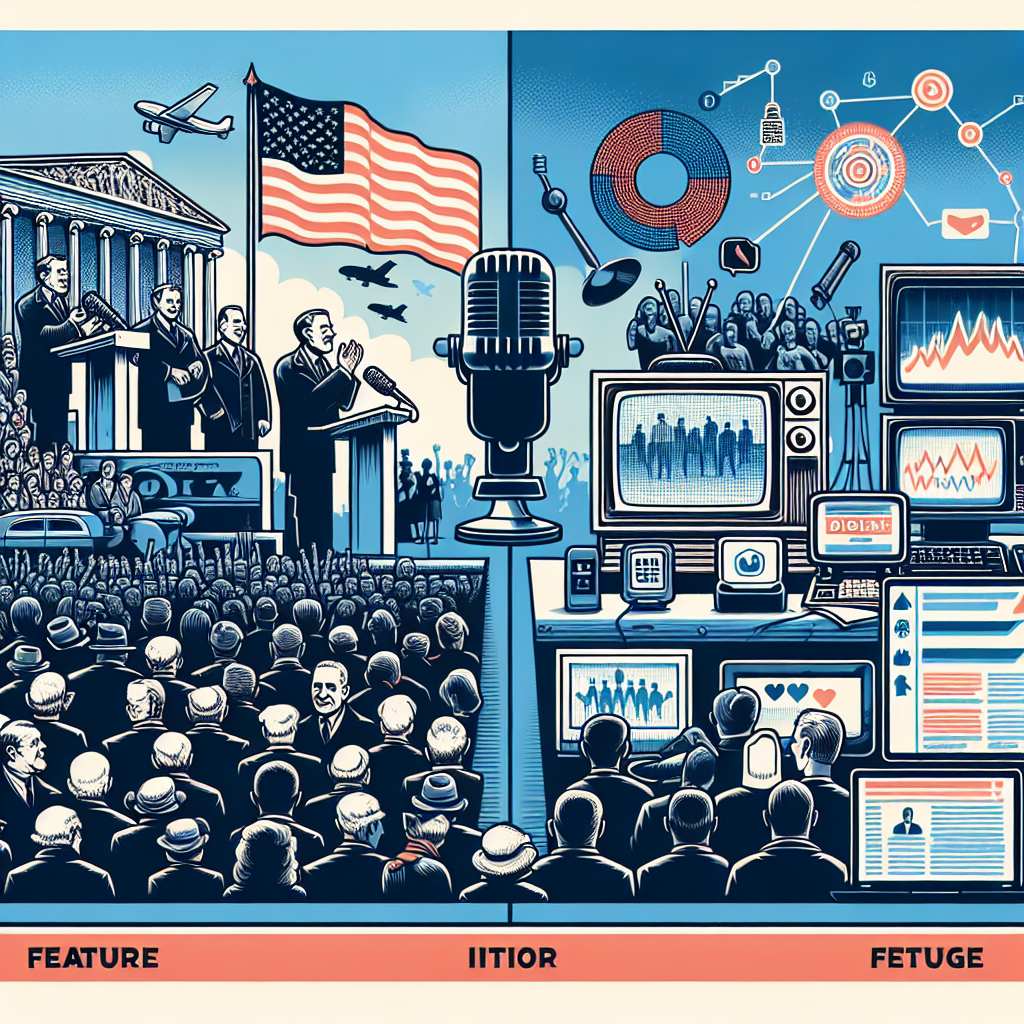
The landscape of political campaigning has undergone a significant transformation with the advent of the digital age. As we progress into 2025, the strategies employed by political candidates and parties have evolved dramatically, driven by the necessity to adapt to new technologies and changing voter behaviors. This article delves into the evolution of political campaign strategies in the digital age, exploring the impact of social media, data analytics, and technology-driven engagement techniques on electoral outcomes and voter engagement.
The Rise of Social Media in Political Campaigns
Since the early 2000s, social media has reshaped how political campaigns are conducted. Platforms like Facebook, Twitter, and Instagram became pivotal in reaching a broader audience, fostering direct communication between candidates and voters. As we see in 2025, social media strategies are no longer just supplementary tools; they are central to political campaigning. Candidates utilize these platforms not only to broadcast their messages but also to engage in two-way conversations, allowing voters to interact with campaigns in real-time. This engagement creates a sense of community and loyalty, proving essential in building a candidate’s brand.
Moreover, the influence of social media is magnified by the ability to target specific demographics with tailored messages. Campaigns can segment their audience based on age, interests, location, and behavior, enabling them to deliver personalized content that resonates with individual voters. This precision in targeting has led to a significant increase in voter engagement, as seen in recent elections where social media ad spending reached unprecedented levels, indicating an understanding of its critical role in mobilizing support.
The Importance of Data Analytics in Modern Campaigns
Data analytics has transformed political campaign strategies, allowing for more informed decision-making and strategy development. In 2025, political campaigns leverage big data to analyze voter preferences, behaviors, and trends more effectively. This analysis goes beyond traditional polling methods, using sophisticated algorithms and machine learning to predict voter turnout and sentiment shifts. Campaigns can adjust their messaging and outreach strategies in real time, ensuring that resources are allocated effectively for maximum impact.
In addition to voter analysis, data analytics is instrumental in measuring campaign performance through various metrics such as engagement rates, conversion rates, and social media interactions. Campaigns use these insights to refine their outreach tactics continuously, optimizing content and enhancing voter interactions. This focus on data-driven decision-making enables campaigns to be more agile and responsive to the ever-changing political landscape, enhancing their competitiveness in elections.
The Shift Toward Digital Fundraising and Micro-Donations
One of the notable shifts in political campaigns in the digital age is the transition to online fundraising. In 2025, digital platforms are the primary avenues for candidates to raise funds, ensuring a steady stream of donations from supporters. This shift has democratized campaign financing, allowing candidates with compelling messages and grassroots support to compete against well-funded opponents. Through techniques like crowdfunding, campaigns can solicit small donations from a vast number of individuals, building a sense of ownership among supporters.
Moreover, innovative fundraising strategies such as live-streamed events, virtual town halls, and interactive content have emerged. These methods not only facilitate donations but also foster community engagement and participation. As candidates leverage these platforms to showcase their policies and answer questions directly, they create a more transparent and participatory campaign environment. This level of engagement helps to build trust and endorsement from voters, translating into tangible electoral support.
The Role of Mobile Technology in Voter Engagement
Mobile technology plays a vital role in shaping political campaign strategies in 2025. With the majority of voters accessing information via their smartphones, campaigns prioritize mobile-friendly content and applications. This includes optimizing websites for mobile use, creating engaging content that caters to shorter attention spans, and utilizing SMS outreach to reach voters directly. Text messaging campaigns have proven effective for reminders about voting dates and organizing grassroots movements, providing an immediate line of communication between candidates and supporters.
Another emerging trend is the use of mobile apps designed to engage voters. These apps offer features such as campaign news updates, event notifications, and platforms for direct communication with candidates. By utilizing mobile technology, campaigns can keep voters informed, engaged, and motivated to participate in the electoral process. Furthermore, as more voters become accustomed to consuming information and engaging with campaigns digitally, their expectations lead to an overall improvement in the quality and responsiveness of political messaging.
Challenges and Ethical Considerations in Digital Campaigning
While the digital age offers numerous advantages for political campaign strategies, it also presents significant challenges and ethical considerations. The potential for misinformation and online manipulation has increased in recent years. In 2025, the prevalence of deepfake technology and algorithm-driven echo chambers poses risks to democratic processes. Campaigns must navigate a landscape where misinformation can spread rapidly, undermining public trust and distorting electoral discourse. Addressing these challenges requires a commitment to transparency and the implementation of robust fact-checking measures.
Ethical considerations also extend to the use of data. While analytics provide valuable insights for campaigns, they raise questions regarding privacy and consent. Voters increasingly demand transparency about how their data is collected, stored, and utilized. Ethical campaigning in 2025 involves striking a balance between leveraging data for strategic advantage and respecting voters’ rights to privacy. Candidates that prioritize ethical practices will likely resonate better with an increasingly aware electorate that values transparency.
The Future of Political Campaign Strategies in the Digital Era
As we advance further into the 2020s and beyond, the evolution of political campaign strategies will continue to be shaped by technological advancements and changing voter expectations. Future campaigns will likely incorporate augmented reality (AR) and virtual reality (VR) elements, creating immersive experiences that engage voters in new and innovative ways. These technologies could revolutionize town hall meetings and public speaking events, bringing candidates closer to constituents than ever before.
Additionally, the integration of artificial intelligence (AI) in campaign strategies is expected to grow. Campaigns could utilize AI for voter profiling, predictive analytics, and personalized communication, enhancing their ability to connect with diverse voter bases. The era of hyper-personalized campaigning appears inevitable, as candidates strive to forge deeper relationships with voters through sophisticated technology.
Ultimately, the success of future political strategies will depend on their adaptability and responsiveness to ongoing changes in the digital landscape. Campaigns that embrace innovation while remaining committed to ethical principles and transparent communication will likely thrive, ensuring that democracy remains vibrant and accessible to all.
Conclusion
The evolution of political campaign strategies in the digital age has brought both exciting opportunities and significant challenges. From the rise of social media and data analytics to the increasing importance of mobile technology and digital fundraising, candidates in 2025 must adapt to a rapidly changing electoral environment. While they enjoy the benefits of technology-enhanced engagement, they must also navigate the ethical considerations that come with these advancements. As we look to the future, embracing innovation while upholding transparency and ethics will be paramount for political campaigns striving for success in an increasingly digital world.
FAQs
What role does social media play in modern political campaigns?
Social media serves as a primary platform for candidates to engage with voters, share messages, and mobilize support. Its ability to reach targeted demographics and foster direct communication is crucial for contemporary campaign strategies.
How has data analytics changed political campaigning?
Data analytics has enabled campaigns to assess voter behavior and preferences more effectively, facilitating strategic decision-making and optimizing outreach efforts, leading to higher engagement and better resource allocation.
What are the ethical concerns associated with digital campaigning?
Ethical concerns revolve around data privacy, misinformation, and transparency. Campaigns must navigate these issues to maintain public trust and uphold democratic principles while leveraging new technologies.