The Evolution of Voting Rights Legislation in the United States
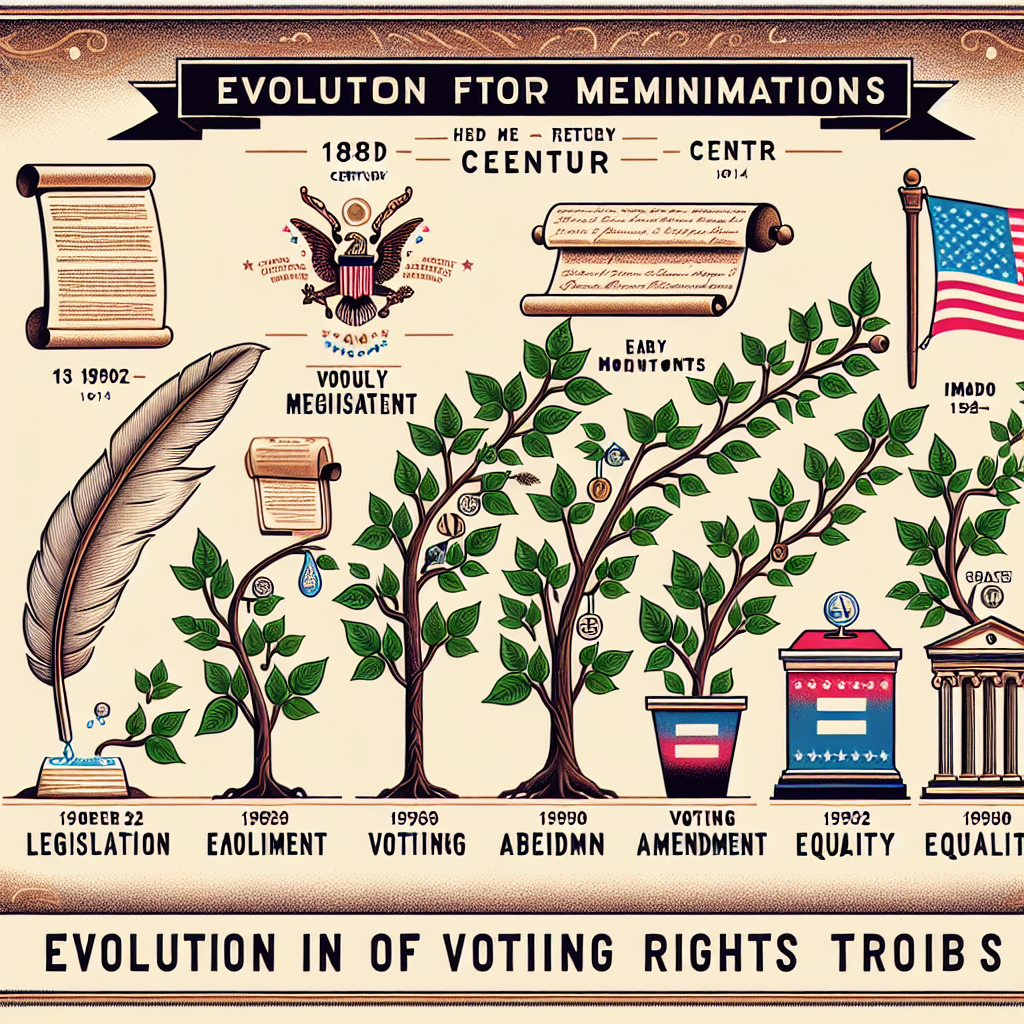
The Evolution of Voting Rights Legislation in the United States
Voting rights are a fundamental pillar of democracy in the United States, shaping the landscape of civic participation and political representation. Throughout its history, the evolution of voting rights legislation has been a reflection of social, political, and legal progress. As we enter 2025, it is crucial to understand how this journey has unfolded and the key milestones that have defined voting access in the U.S. This article delves into the significant stages of voting rights legislation, examining critical amendments, groundbreaking acts, and ongoing challenges that continue to influence voting rights today.
The Early Struggles for Voting Rights
In the early years of the American republic, voting rights were limited primarily to white landowning men. The framers of the Constitution left the decision of suffrage to individual states, resulting in a patchwork of voting laws. While the states began to relax property qualifications in the 19th century, voting rights remained elusive for women, African Americans, and indigenous peoples. The push for broader enfranchisement gained momentum with the suffrage movement, which sought to correct these inequities during the mid-1800s. The tension between states’ rights and federal oversight began to take shape, foreshadowing future legislative battles.
The abolitionist movement also played a pivotal role in advocating for voting rights for African Americans. After the Civil War, the passage of the 13th, 14th, and 15th Amendments aimed to secure civil rights for formerly enslaved individuals. However, despite these constitutional revisions, states employed discriminatory practices like literacy tests and poll taxes to disfranchise Black citizens. The groundwork for future protection and enhancement of voting rights was laid, but significant barriers remained that would require further legislative action.
The Voting Rights Act of 1965: A Turning Point
The Voting Rights Act of 1965 marked a monumental shift in the evolution of voting rights legislation in the United States. Spurred by the civil rights movement and the injustices highlighted by events such as the Selma to Montgomery marches, this landmark legislation aimed to eliminate the racial discrimination that had plagued voting systems. The Act prohibited literacy tests and other discriminatory practices and provided for federal oversight of voter registration in jurisdictions with a history of discrimination. This was a significant advance, ensuring that all citizens, regardless of race, could exercise their right to vote.
The Act’s impact was immediate and profound. Within years, millions of African Americans in the South registered to vote, leading to increased political representation and the election of Black officials at all levels of government. Despite its success, the Voting Rights Act faced constant challenges and was amended multiple times to address the evolving landscape of voting rights. Subsequent reauthorizations showcased bipartisan support, highlighting the importance of safeguarding these rights as a national priority.
The Resurrection and Challenges Following Shelby County v. Holder
The Supreme Court’s 2013 decision in Shelby County v. Holder dealt a significant blow to the protections established by the Voting Rights Act. By declaring Section 4(b), which outlined the formula for determining which jurisdictions required federal oversight, unconstitutional, the Court dismantled essential components of the Act. This ruling effectively removed federal preclearance requirements for changes to voting laws in specific states, allowing various jurisdictions to implement laws that could potentially restrict voting access without federal scrutiny.
In the wake of Shelby, many states enacted voter ID laws, purged voter rolls, and imposed new registration requirements that critics argue disproportionately affect minority, elderly, and low-income voters. As of 2025, various advocacy groups and lawmakers are actively challenging these laws in court, striving to restore the protections that were systematically rolled back. This tension between states’ rights and federal protections remains a central theme in the ongoing debate on voting access.
The Modern Voting Rights Landscape: Progress and Resistance
In recent years, there has been a renewed push for comprehensive voting rights legislation at the federal level. In response to the challenges erected post-Shelby, lawmakers introduced measures like the For the People Act and the John Lewis Voting Rights Advancement Act. These pieces of legislation aim to expand access to voting, combat voter suppression, and restore the federal government’s role in monitoring changes to voting laws. However, these proposals have faced significant partisan resistance, leading to intense debates over the future of voting rights in America.
At the state level, several jurisdictions have taken proactive steps to enhance voting access, including expanding early voting, implementing automatic voter registration, and allowing mail-in ballots. These initiatives demonstrate a concerted effort to adapt to changing demographics and technological advancements, aiming to create a more inclusive electoral process. However, the opposition remains strong, with some states pushing back against these measures, arguing they create opportunities for fraud, despite evidence to the contrary.
The Future of Voting Rights Legislation in America
As we look toward the future of voting rights legislation in 2025 and beyond, it is clear that the evolution of these rights is far from complete. The ongoing legal battles surrounding voter ID laws, redistricting practices, and access to polling places highlight a critical need for continued advocacy and engagement. Grassroots efforts led by civil rights organizations are essential in raising awareness and mobilizing public support to effect change. Innovative approaches, such as leveraging technology to facilitate voter engagement and education, can also play a role in shaping future legislation.
Moreover, the demographic shifts in the United States, including the increasing diversity of the electorate, are likely to influence how voting rights are defined and protected. As younger generations prioritize inclusivity and equity in civic participation, there may be growing momentum for transformative policies that ensure everyone has a voice in the democratic process. However, this requires ongoing vigilance and commitment from all stakeholders to confront the persistent inequalities that many voters still face.
The journey to protect and expand voting rights in the United States is a testament to the resilience and determination of those who have fought for equal access. Understanding the historical context and contemporary challenges is vital to appreciating the importance of preserving these rights for future generations. As voting rights continue to evolve, they remain a crucial reflection of the nation’s values and commitment to democracy.
Conclusion
The evolution of voting rights legislation in the United States is a complex narrative filled with triumphs and setbacks, revealing both the progress made and the challenges that remain. From the early struggles for suffrage to the critical advancements of the Voting Rights Act of 1965, this journey underscores the importance of protecting the franchise for all citizens. Recent legal battles and legislative efforts demonstrate the ongoing need for vigilance in safeguarding these rights, especially in light of recent court rulings that have undermined federal protections. By understanding this evolution, we can better appreciate the significance of voting rights as a reflection of our democratic values and commit to ensuring that every voice is heard in the electoral process.
FAQs
What was the Voting Rights Act of 1965?
The Voting Rights Act of 1965 was a landmark piece of legislation that aimed to eliminate racial discrimination in voting. It prohibited practices like literacy tests and allowed for federal oversight of voter registration in areas with a history of discrimination.
What impact did Shelby County v. Holder have on voting rights?
The 2013 Supreme Court decision in Shelby County v. Holder invalidated key provisions of the Voting Rights Act, specifically the preclearance requirement for certain jurisdictions. This led to an increase in laws perceived to suppress voting access, particularly affecting minority voters.
What are some challenges to voting rights today?
Current challenges to voting rights include voter ID laws, voter roll purges, restrictions on mail-in voting, and gerrymandering. Advocacy groups continue to fight against these measures, emphasizing their disproportionate impact on marginalized communities.
What legislation is currently being proposed to protect voting rights?
In response to recent challenges, lawmakers have introduced bills like the For the People Act and the John Lewis Voting Rights Advancement Act. These proposed laws aim to expand voting access and restore protections weakened by recent court rulings.
How can individuals get involved in voting rights advocacy?
Individuals can get involved by participating in local advocacy groups, staying informed about voting legislation, volunteering for voter registration drives, and engaging in conversations about the importance of voting rights within their communities.