The Future of Democracy in an Age of Disinformation

Introduction
As we navigate through 2025, the fabric of democracy faces unprecedented challenges in the form of disinformation. This era of digital connectivity, while empowering citizens, has also given rise to a landscape rife with misinformation and propaganda that threatens the integrity of democratic processes globally. The future of democracy in an age of disinformation hinges on our ability to combat false narratives, foster media literacy, and adapt our democratic institutions to the realities of an information-saturated world. In this article, we will explore the fundamental shifts in the democratic landscape, the roles technology and society play, and the strategies needed to safeguard democracy in these turbulent times.
The Impact of Disinformation on Political Discourse
Disinformation has drastically transformed political discourse, particularly in democratic nations where effective communication is crucial to participation and engagement. The rise of social media platforms has fostered an environment for rapid dissemination of information—both true and false. In 2025, the prevalence of false narratives has resulted in polarized communities and a significant erosion of trust in traditional media outlets. Citizens often find themselves trapped in echo chambers, where algorithms curate content that aligns with their existing beliefs, making it increasingly difficult to access balanced, factual information. This fragmentation not only shapes individual opinions but also influences collective ideologies, undermining the very foundation of democratic deliberation.
Moreover, the manipulation of information is not just a grassroots phenomenon; it has been weaponized by state and non-state actors, leading to widespread misinformation campaigns that target elections, social movements, and public health crises. As evidenced in various elections worldwide, disinformation can sway public opinion and impact electoral outcomes. The dissemination of false claims and conspiracy theories during critical moments—such as contentious elections of 2024—has illustrated a disturbing trend where factual discourse becomes overshadowed by sensationalism and deceit. As we move forward, understanding and addressing the implications of disinformation on political discourse will be paramount for the health of democracy.
The Role of Technology in Shaping Democratic Processes
In 2025, technology continues to play a dual role in both enabling and combating disinformation. On one hand, advancements in artificial intelligence and machine learning have made it easier for malicious actors to produce convincing fake news, including deepfakes and fabricated stories that can easily mislead the public. These technologies enable the rapid spread of disinformation at an unprecedented scale, often before fact-checkers can intervene. The rise of “bot farms”—automated accounts programmed to amplify false narratives—has further complicated the battle against misinformation, revealing the need for robust regulatory frameworks to govern the use of AI in digital spaces.
On the flip side, technology also offers tools for countering disinformation and enhancing civic engagement. Fact-checking organizations have leveraged digital platforms to provide real-time corrections and educate the public on identifying credible sources. Furthermore, blockchain technology is being explored as a solution for ensuring the authenticity of information, allowing citizens to verify the origins of news articles and reports. In times of crisis, mobile applications and social media campaigns facilitate rapid communication, mobilizing communities to fight against misinformation. Thus, technology stands as a double-edged sword in this struggle, providing both challenges and potential solutions.
The Importance of Media Literacy in a Digital Age
As we grapple with the challenges posed by disinformation, improving media literacy among citizens emerges as a fundamental strategy to protect democracy. In 2025, educational institutions and community organizations are increasingly recognizing the necessity of incorporating media literacy programs into their curriculums. By teaching individuals how to critically engage with media sources, distinguish between fact and opinion, and recognize biases, we can empower citizens to navigate the complexities of today’s information landscape. Enhanced media literacy not only equips individuals with the skills to assess news content but also fosters a more informed electorate capable of participating in democratic processes.
Moreover, media literacy extends beyond educational settings and is essential for public discourse in online communities. Social media platforms are recognizing their role in combating misinformation and have begun initiatives to promote media literacy among users. This includes partnerships with organizations dedicated to educating the public about the dangers of disinformation and how to spot it. Campaigns that encourage users to engage in fact-checking and share credible sources help to shift the norms of information sharing, fostering a culture of accountability and critical thinking. By prioritizing media literacy, we can cultivate a politically informed populace that can withstand the manipulations of disinformation.
Policy Responses to Disinformation Challenges
In recognizing the threats posed by disinformation, governments around the world are grappling with policy responses that balance free speech with the need to protect democratic integrity. In 2025, many nations have enacted legislation aimed at increasing transparency and accountability for social media platforms. These policies often require companies to disclose the sources of funding for political ads and take stronger actions against the spread of false information. Such regulations are crucial in holding platforms accountable for their role in disseminating disinformation and ensuring that users can make informed decisions based on credible information.
Additionally, collaborations between governments, tech companies, and civil society organizations are essential for developing effective interventions. Initiatives that focus on improving algorithm transparency in social media systems and promoting the distribution of high-quality journalism can help mitigate the effects of disinformation. International cooperation is also vital, as disinformation campaigns often transcend national boundaries. Cross-border collaborations that share intelligence and best practices can strengthen global defenses against disinformation while ensuring that democratic values are upheld. As these policies evolve, striking the right balance between regulation and freedom will remain a nuanced and ongoing challenge.
The Future of Civic Engagement in a Disinformation Era
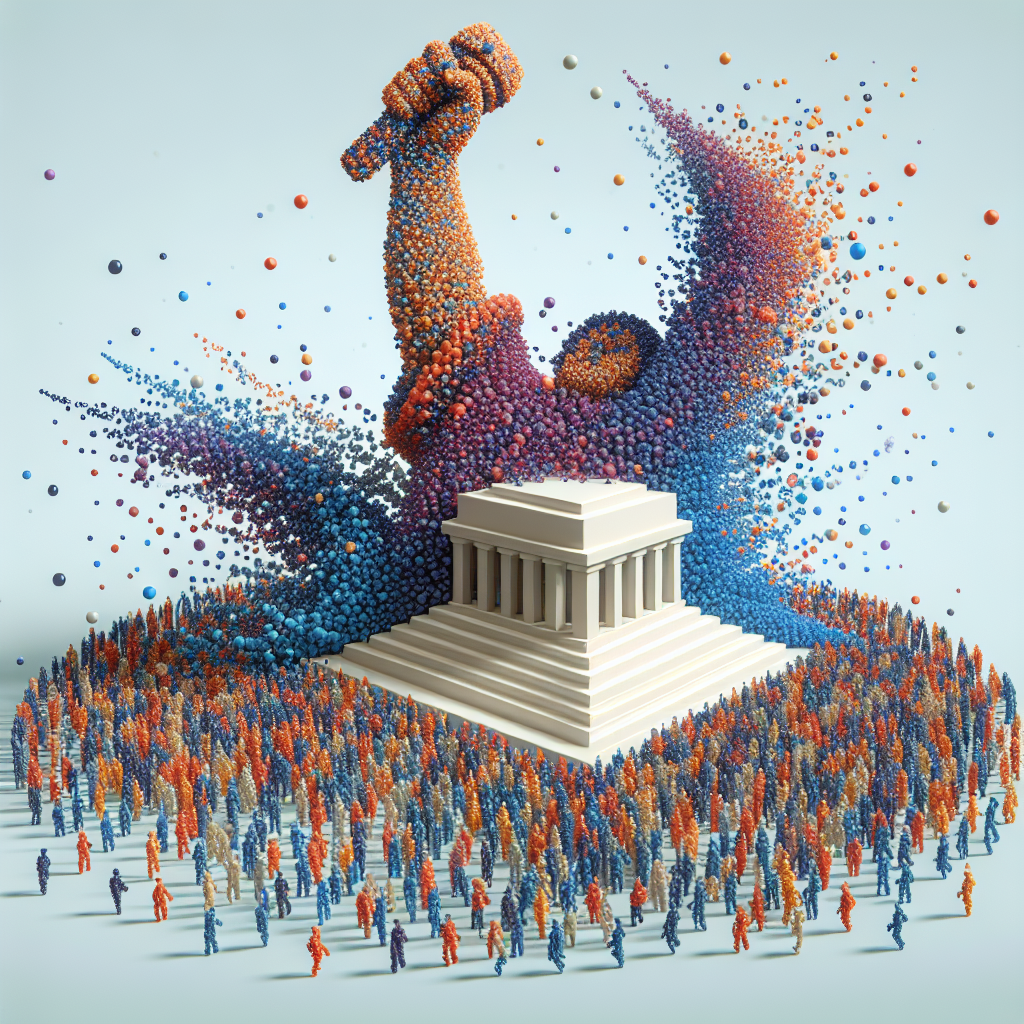
Looking ahead, the future of civic engagement in an age of disinformation will require innovative approaches. In 2025, grassroots movements and local organizations are emerging as powerful forces for change, harnessing technology to mobilize citizens and foster a culture of engagement. Online platforms allow communities to organize around issues that matter most to them, whether it be climate action, social justice, or electoral reform. These movements emphasize the importance of authentic voices, countering the noise of disinformation by amplifying local narratives and fostering genuine connections among citizens.
Moreover, deliberative democracy—a model emphasizing informed discussion and consensus-building—may hold the key to revitalizing democratic participation in an era dominated by disinformation. By creating spaces for structured dialogue and encouraging diverse perspectives, communities can bridge divides and build resilience against misinformation. Initiatives such as citizen assemblies and town hall meetings are re-emerging as methods for inclusive decision-making, allowing a broader segment of the population to engage meaningfully in democratic processes. As society embraces these forms of civic engagement, the potential to reinforce the foundations of democracy becomes increasingly attainable.
Conclusion
The future of democracy in an age of disinformation presents both significant challenges and profound opportunities. As we navigate the complexities of the digital age, it is crucial to prioritize media literacy, regulatory frameworks, and innovative civic engagement strategies. By fostering critical thinking and accountability among citizens, we can create a more resilient democratic landscape capable of withstanding the onslaught of misinformation. The collective responsibility lies with individuals, institutions, and governments to safeguard the integrity of democracy, ensuring that it remains vibrant and inclusive in the face of adversity—a necessary endeavor as we move further into a disinformation-laden future.
FAQs
What is disinformation and how does it impact democracy?
Disinformation refers to false information deliberately spread to deceive others. This can distort public opinion, undermine trust in institutions, and create polarization, severely impacting democratic processes and governance.
How can individuals combat disinformation?
Individuals can combat disinformation by developing critical media literacy skills, fact-checking information before sharing, and supporting reputable news sources. Engaging in constructive discussions and promoting transparency can also help mitigate the impacts of disinformation.
What role do social media platforms play in the spread of disinformation?
Social media platforms serve as conduits for rapid information dissemination, making them susceptible to the spread of disinformation. Algorithms often prioritize sensational content, which can amplify false narratives, necessitating greater accountability from these platforms.
What are effective policy measures against disinformation?
Effective policy measures include increasing transparency in political advertising, requiring social media platforms to take accountability for content, and fostering collaboration between governments, tech companies, and civil society to develop comprehensive strategies against disinformation.
How can technology be used to promote democratic engagement?
Technology can promote democratic engagement by facilitating communication, providing platforms for civic participation, and enhancing access to credible information. Innovation in tech can also support initiatives aimed at countering misinformation and strengthening community ties.