The Future of Political Ideology in a Globalized World

The Future of Political Ideology in a Globalized World
In an increasingly interconnected world, the future of political ideology is rapidly evolving. As globalization deepens, societies encounter new challenges and opportunities that shape political beliefs and frameworks. Understanding how political ideology will develop in a globalized world involves scrutinizing contemporary trends, technological advancements, and shifting cultural landscapes. This article explores these dynamics, providing insights into the potential trajectories of political thought as we move further into 2025 and beyond.
The Rise of Global Political Movements
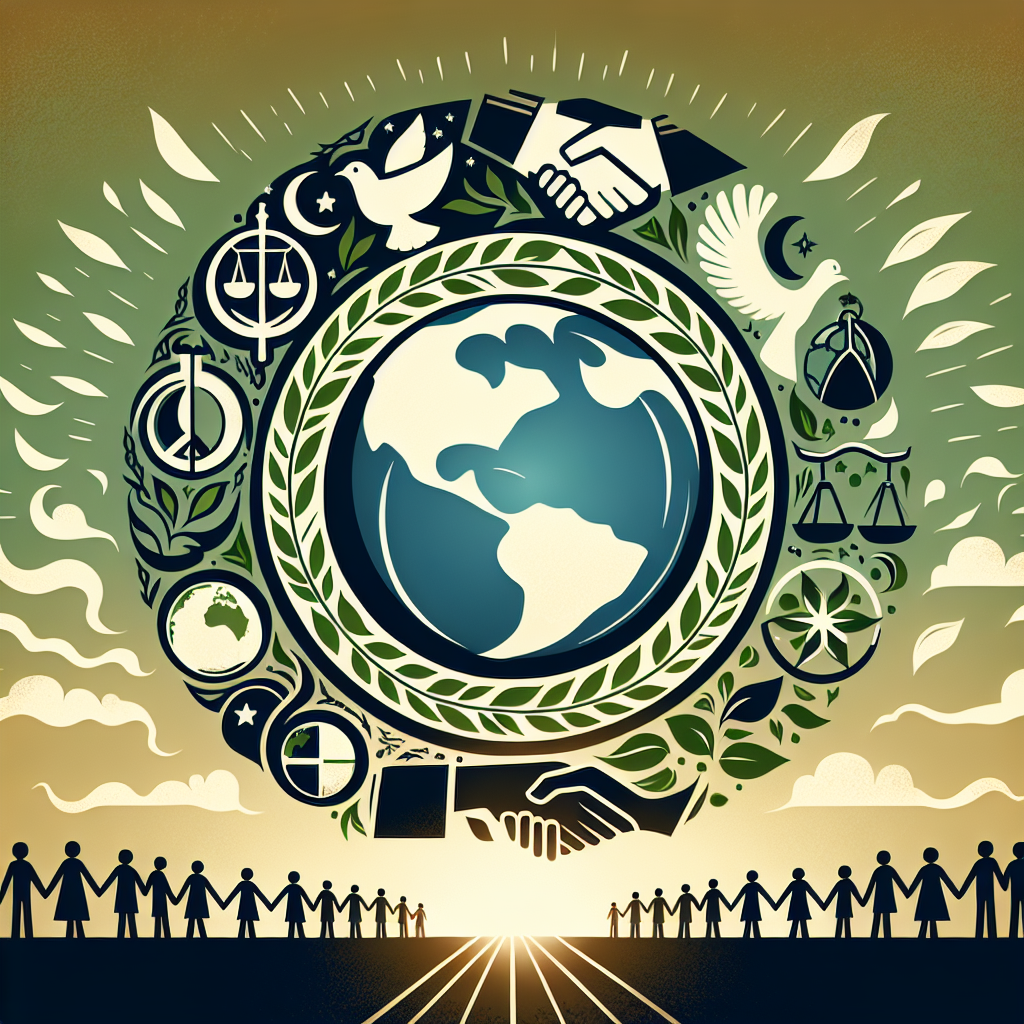
The past two decades have witnessed the emergence of global political movements that transcend national borders. From environmental activism to human rights advocacy, these movements often harness the power of social media to mobilize support and create solidarity among disparate groups. In 2025, platforms like Twitter, Instagram, and TikTok continue to play pivotal roles in shaping political discourse and fostering transnational alliances. Such movements challenge traditional political ideologies rooted in nationalism, as they promote a cosmopolitan outlook that prioritizes collective global well-being over insular national interests.
Moreover, the rise of global political movements signifies a shift from localized ideologies towards more fluid and adaptable frameworks that reflect interconnected realities. Organizations like Extinction Rebellion and Black Lives Matter exemplify how global awareness has sparked localized actions, compelling governments to take more accountable stances on pressing issues. This trend is likely to continue, with the potential to reshape political parties and redefine their platforms to align with the demands of a globally conscious electorate.
Digital Revolution and Political Ideology Transformation
The digital revolution has profoundly affected how political ideologies develop and spread. By 2025, artificial intelligence, big data analytics, and machine learning technologies have become integral in political campaigning and policymaking. Major political parties leverage these tools to dissect public sentiment and tailor their ideologies accordingly. Consequently, political ideologies may become increasingly populist as leaders harness digital platforms to connect directly with the public, often sidestepping traditional media filters.
In this context, the division between left and right ideologies blurs, giving rise to hybrid models that adapt to the rapidly changing landscape. For instance, issues like climate change, economic inequality, and health care could unite factions across the political spectrum, leading to coalition politics where unique ideologies merge to address shared global concerns. This adaptability may redefine political discourse and create a more responsive and inclusive governance approach.
Post-Traditional Ideologies: New Norms and Ideas
With globalization reshaping societal expectations, traditional political ideologies based on nationalism, socialism, or conservatism are being challenged. The rise of post-traditional ideologies focuses on environmentalism, deep social equity, and participatory democracy. By 2025, these ideas may gain traction, as global citizens increasingly demand that governments prioritize sustainability and social justice. Such a shift signifies a departure from rigid ideological classifications, promoting a more holistic approach to policymaking that considers environmental impacts alongside economic growth.
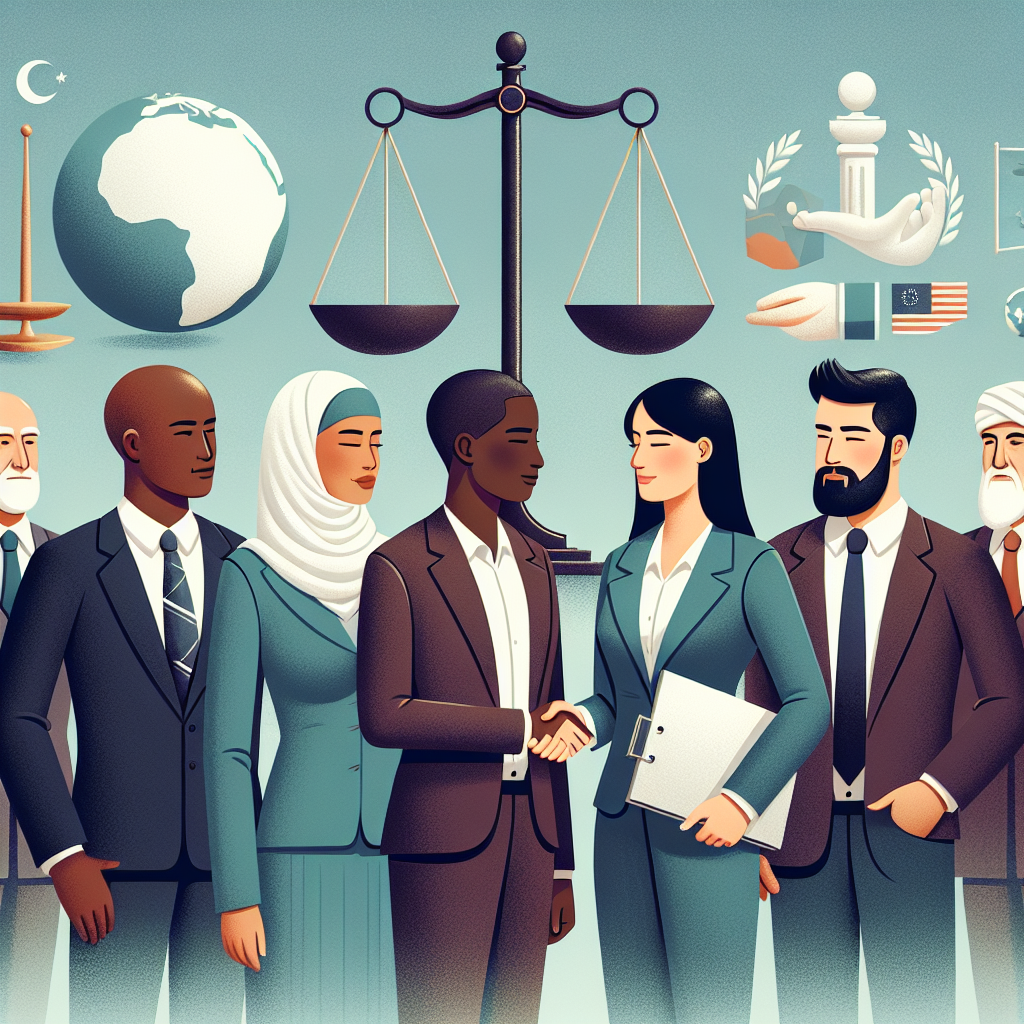
Post-traditional ideologies also embrace diversity and inclusivity as essential components of a functional political system. Movements advocating for gender rights, LGBTQ+ rights, and racial equity have challenged historical norms, necessitating an ideological re-evaluation. As societies become more diverse and interconnected, political frameworks that exclude marginalized voices will likely struggle to maintain legitimacy and support. This evolving landscape presents both challenges and opportunities for existing political structures to adapt or risk irrelevance.
Furthermore, the intersection of technology and ideology fosters hybrid political frameworks that incorporate elements from various traditions. For instance, proposals for universal basic income (UBI) reflect both leftist ideals of social welfare and elements of libertarianism that prioritize individual choice and freedom. As political ideologies continue to evolve, we may see a greater emphasis on innovative policy solutions that draw from multiple ideological backgrounds, ultimately fostering a more resilient and adaptive political environment.
The Influence of Geopolitical Dynamics on Political Ideology
Geopolitical tensions in the world seem to be shaping political ideologies at a national level in ways that challenge the idea of global unity. By 2025, the rise of populism and authoritarianism in various regions reflects a reaction against the pressures of globalization. Countries that faced economic dislocation due to global trade agreements witness a resurgence of nationalist sentiments. Political leaders capitalize on fears and grievances, promoting ideologies that prioritize national interests over international cooperation.
Moreover, the United States-China rivalry continues to influence political ideologies across the globe. Nations are caught in the crossfire, often forced to align more closely with one major power’s ideological framework. For instance, countries that lean towards Western liberal democracy may experience backlash against authoritarianism, while those closer to China may adopt a more utilitarian approach to governance that emphasizes economic growth over individual freedoms. Such geopolitical dynamics suggest that the future of political ideology is not solely driven by domestic desires but is intricately tied to global power relations.
In an era where ideologies are also shaped by non-state actors like multinational corporations, the future may see an increase in the influence of corporate interests in political decision-making. The rise of corporate social responsibility (CSR) as a buzzword implies that businesses now have a stake in shaping political ideologies around sustainability and social equity. This interaction between business interests and political ideologies could lead to hybrid models where corporations align themselves with social movements, thereby influencing policy-making to emphasize corporate accountability and sustainable practices.
Education and Information Accessibility: The Ideological Landscape
Education and technology accessibility are critical factors in shaping political ideologies in a globalized world. By 2025, advancements in online education and information dissemination have led to a more informed citizenry, capable of engaging with complex global issues. Increased access to diverse viewpoints enables individuals to critically analyze political ideologies, leading to broader acceptance of multifaceted approaches to governance.
Additionally, disinformation remains a pressing challenge to ideological coherence. As misinformation proliferates, particularly on social media platforms, the struggle against manipulation of public perception will likely influence political ideology. Movements advocating for media literacy emphasize the importance of arming citizens with tools to discern fact from fiction, which, if successful, could culminate in a more robust democratic engagement and ideological representation.
Furthermore, a shift towards participatory democracy, facilitated by technology, presents an exciting future for political ideologies. Innovations such as e-governance and decentralized decision-making models encourage active citizen participation in the political process, heralding a move away from traditional top-down governance. Political ideologies that promote citizen-driven policymaking are likely to flourish, creating a landscape where diverse perspectives shape political agendas, ultimately leading to more equitable and sustainable governance structures.
Conclusion
The future of political ideology in a globalized world is marked by fluidity and transformation, necessitated by the complexities of an interconnected society. As global political movements gain momentum and digital platforms redefine engagement, traditional ideologies will adapt or risk becoming obsolete. The interplay of geopolitical dynamics, post-traditional ideals, and advancements in education will further influence the ideological landscape. As we move through 2025 and beyond, the evolution of political ideology reflects the ongoing quest for solutions to shared global challenges, underscoring the necessity for resilience, adaptability, and inclusive governance.
FAQs
What are the upcoming trends in political ideology?
Emerging trends in political ideology include increased emphasis on sustainability, social equity, and inclusivity. The rise of post-traditional ideologies, advocating for participatory democracy and global cooperation, reflects the need for adaptive governance structures.
How does globalization affect national political ideologies?
Globalization blurs the lines of national political ideologies by promoting transnational movements and shared challenges. This interdependence often leads to the emergence of hybrid ideologies that combine elements from various ideological frameworks to address global issues collaboratively.
What role does technology play in shaping political beliefs?
Technology impacts political beliefs significantly through the dissemination of information and engagement in political discourse. Digital platforms facilitate grassroots movements, while tools like AI and big data analytics help political entities refine their ideologies based on public sentiment and emerging trends.