The Future of Transportation: Government Initiatives in Electric Vehicles

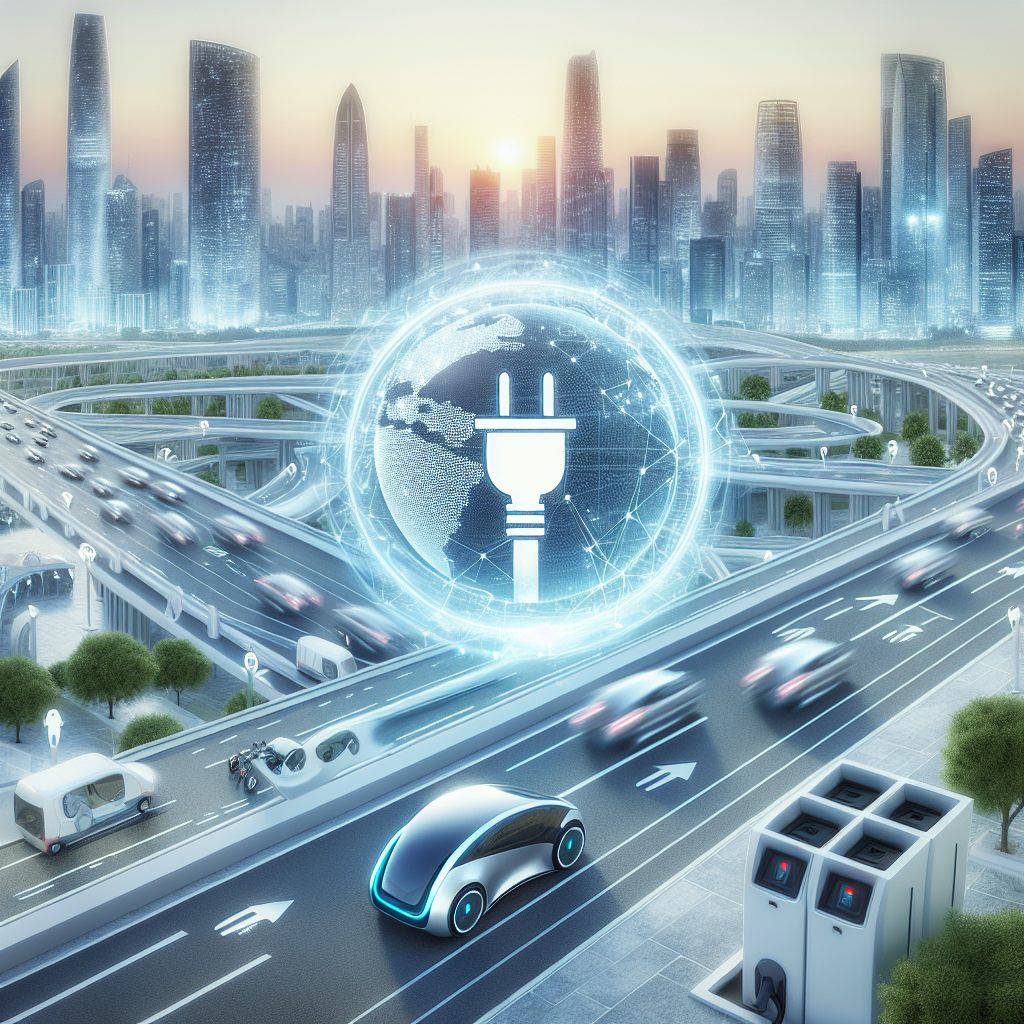
The Future of Transportation: Government Initiatives in Electric Vehicles
In recent years, electric vehicles (EVs) have emerged as a cornerstone in the quest for sustainable transportation. By 2025, government initiatives around the world are playing a crucial role in shaping the landscape of the electric vehicle industry, thereby addressing climate change and urban air quality. As countries strive to meet ambitious carbon neutrality goals, they are implementing a plethora of policies and incentives to promote electric vehicles. From infrastructure development to regulatory support, these government initiatives are not only driving innovation but also making EVs more accessible to the general public.
Global Government Policies Driving Electric Vehicle Adoption
Several countries have embarked on expansive policies to accelerate the adoption of electric vehicles, acknowledging their potential to reduce greenhouse gas emissions significantly. In 2025, the European Union has set targets aiming to reduce carbon emissions from transportation by 55% by 2030, promoting EV adoption through numerous subsidies and incentives, including grants for consumers who purchase electric vehicles. This proactive approach also involves the establishment of stringent regulations that prohibit the sale of new internal combustion engine (ICE) vehicles by 2035 in several member states, effectively pushing consumers toward electric alternatives.
Similarly, China, as the largest EV market globally, has extended its “New Energy Vehicle” (NEV) policy, which provides significant financial subsidies for both manufacturers and consumers. The Chinese government is also investing massively in charging infrastructure, ensuring that potential EV buyers have access to convenient charging options. The initiative has successfully positioned China as a leader in EV production and adoption, which is essential given the country’s pollution concerns and commitment to achieving peak carbon emissions before 2030.
The Role of Infrastructure in Electric Vehicle Growth
One of the most critical challenges in promoting electric vehicles is the development of robust charging infrastructure. In response, many governments have adopted strategic plans focusing on expanding charging networks across urban and suburban areas. By 2025, the United States has made significant advancements in this regard, with initiatives such as the Biden administration’s Build Back Better framework allocating billions for electric vehicle infrastructure, targeting the installation of hundreds of thousands of charging stations throughout the country.
Moreover, collaborations between public and private sectors are becoming increasingly common to bolster charging infrastructure. An example of this is the partnership between Ford and various charging networks intended to facilitate seamless access for EV users. This not only consolidates consumer confidence in electric vehicles but also ensures that range anxiety—a common barrier among potential EV buyers—is significantly alleviated.
Financial Incentives for Electric Vehicle Buyers
To stimulate electric vehicle adoption, governments are implementing various financial incentives aimed at reducing the upfront costs associated with EV ownership. By 2025, many countries have introduced tax credits, rebates, and grants to lower the overall cost of electric vehicles for consumers. For instance, the U.S. government offers a federal tax credit of up to $7,500 for new electric vehicle buyers, which can substantially offset the initial purchase price and make owning an EV more financially feasible.
In addition to federal incentives, many states have their own supplemental programs, providing further financial support for electric vehicle purchasers. For example, California offers rebates that can total up to $2,000 alongside state tax benefits, making it one of the most EV-friendly states. Such initiatives have proven effective, as they increase consumer interest and launch EV sales to new heights, driving the market towards a more sustainable future.
Furthermore, governments are tackling financial barriers not only for individual consumers but also for businesses. Various initiatives aimed at encouraging fleet operators to transition to electric vehicles contribute to reduced emissions and sustainable practices in commercial transportation. These fleet programs often provide greater rebates or longer-term leasing options, encouraging firms to meet eco-friendly objectives while cutting operational costs.
Legislative Frameworks Supporting Electric Vehicle Innovation
The legislative environment is integral to the growth of the electric vehicle market. By 2025, a multitude of regulations are in place that support innovation in EV technology, incentivizing automotive manufacturers to invest in electric mobility solutions. In Europe, regulations mandating that automakers achieve specific emissions standards have forced many traditional manufacturers to pivot towards EV production, pushing for advancements in battery technology and expanding their electric line-ups to meet stringent goals.
In the U.S., initiatives like the Green New Deal have heightened the focus on clean energy. By coupling electric vehicle policies with renewable energy goals, such as enhancing solar and wind energy output, policymakers are creating a comprehensive environmental strategy that promotes the dual elements of clean power and transportation. This synergy is essential for reducing the overall carbon footprint of electric vehicles since generating clean energy lowers emissions associated with EV charging.
Moreover, competition in the EV market accelerated by government policies has spurred innovation among automakers. Traditional companies are facing disruption from startups, which often are focused solely on electric options. With the government encouraging a level playing field via subsidies and grants, innovative solutions including better battery technology, autonomous driving features, and ultra-fast charging capabilities are becoming a reality at a faster pace.
Educating Consumers on Electric Vehicle Benefits
Consumer education plays a critical role in accelerating the transition towards electric vehicles. Governments are recognizing the importance of raising awareness about electrification’s advantages and addressing common myths or misconceptions surrounding electric vehicles. In 2025, many countries, including Australia and the United Kingdom, have launched nationwide campaigns that provide essential information about the environmental benefits of owning an EV, as well as the potential cost savings on fuel and maintenance.
Additionally, educational programs often target communities disproportionately affected by air pollution to enhance awareness about the health benefits associated with transitioning to electric vehicles. Understanding the direct correlation between electric vehicle adoption and improved air quality can motivate citizens to consider switching to electric options. This ongoing initiative centers around the principle of equity, ensuring that all demographics have access to information and incentives concerning electric mobility.
Furthermore, workshops, online resources, and community events serve to demystify electric vehicles and provide potential buyers with a wealth of knowledge regarding available incentives and purchasing programs. By building trust and confidence among consumers, governments aim to foster a more widespread acceptance of electric vehicles and ensure that the shift towards electrified transportation becomes a shared societal priority.
Conclusion
The future of transportation is undeniably intertwined with electric vehicles, and government initiatives play a fundamental role in this transition. From stringent regulations promoting EV adoption to infrastructure investments and educational campaigns, these efforts are creating an environment conducive to sustainable transportation solutions. As we progress through 2025, it is clear that the goal is not merely to increase electric vehicle sales; rather, the ultimate aim is to reshape our transportation networks and combat climate change collectively. By advancing these initiatives, governments are paving the way towards a cleaner, more efficient, and environmentally responsible future.
FAQs
1. What are electric vehicles (EVs)?
Electric vehicles (EVs) are vehicles that are powered entirely or partially by electricity. This category includes battery electric vehicles (BEVs), which run solely on electric power, as well as plug-in hybrid electric vehicles (PHEVs), which combine an electric motor and a conventional gasoline engine.
2. What government initiatives support electric vehicle purchase?
Government initiatives vary by country but often include tax credits, rebates, grants, and financial incentives designed to lower the overall cost of purchasing electric vehicles. Additionally, many governments provide funding for charging infrastructure to facilitate easier access to charging stations.
3. What are the environmental benefits of electric vehicles?
Electric vehicles produce fewer greenhouse gas emissions than traditional gasoline or diesel vehicles, particularly when charged using renewable energy sources. They also contribute to improved air quality, especially in urban areas where transportation is a significant source of air pollution.
4. How are governments funding electric vehicle infrastructure?
Governments allocate funds for electric vehicle infrastructure through various initiatives and programs, often including federal budget allocations, public-private partnerships, and grants. These funds typically go towards installing charging stations and upgrading the electric grid to support increased demand for electricity.
5. Are electric vehicles the future of transportation?
While there are various opportunities and challenges ahead, the push for electric vehicles is gaining momentum worldwide, supported by government policies and consumer demand. As technology and infrastructure develop, it is broadly accepted that electric vehicles will play a critical role in the future of transportation.