The Global Landscape of Political Debates: A Comparative Study
Introduction
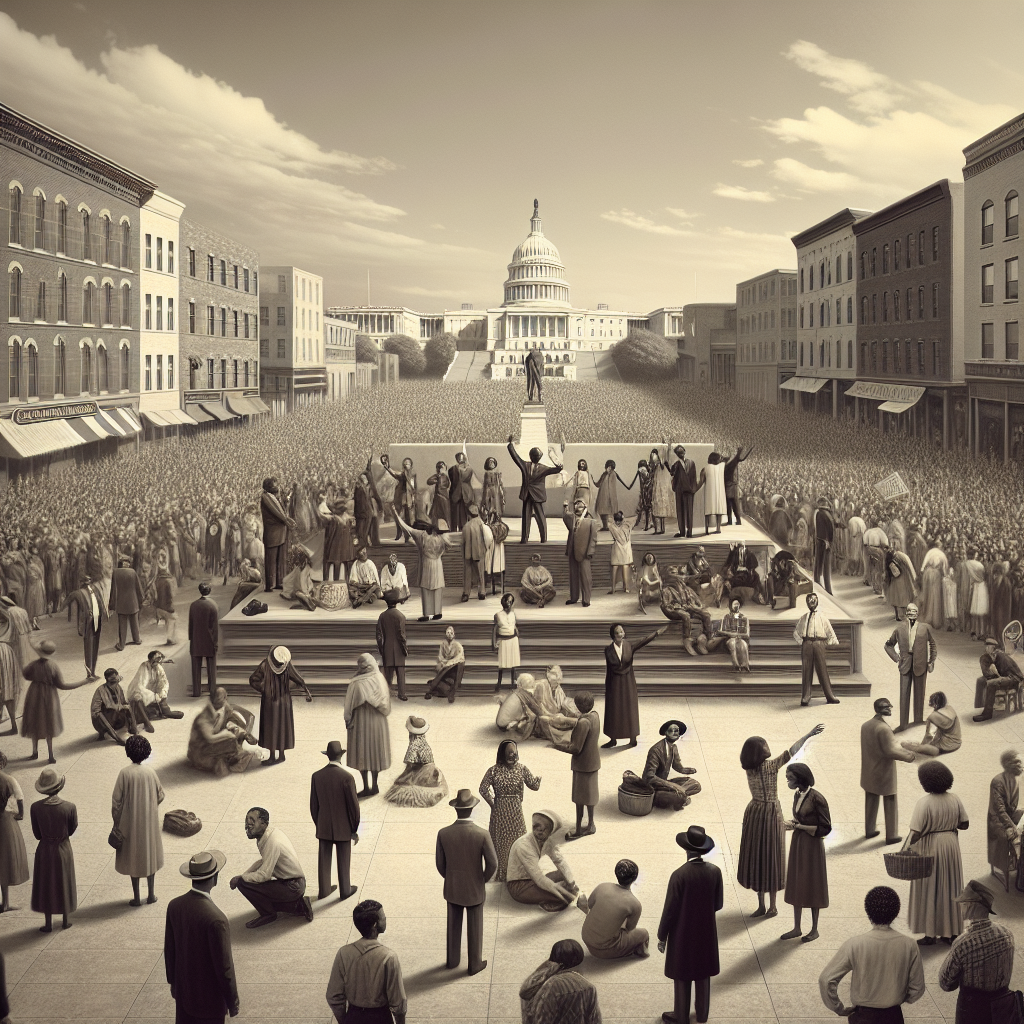
The political arena is a dynamic battlefield where ideas clash, ideologies compete, and leaders vie for the support of their constituents. In 2025, the global landscape of political debates has evolved, reflecting a multitude of issues ranging from climate change to social justice. This comparative study will delve into how political debates across various countries influence democratic processes, engage public interest, and shape policies. By examining formats, strategies, and outcomes of political debates worldwide, we aim to uncover the intricate ways in which these discussions mold the political landscape of the future.
Understanding the Format of Political Debates Worldwide
Political debates vary significantly in format depending on the country and its political traditions. In the United States, for instance, debates often feature moderated discussions where candidates answer questions from both journalists and the audience. The structure encourages direct exchanges, allowing voters to witness the candidates’ personalities and policy stances. In contrast, countries like Germany utilize a more structured format, with a focus on roundtable discussions that promote consensus and collaboration among candidates. This design can foster a political culture that prioritizes dialogue over confrontation.
Globally, digital platforms have revolutionized the way political debates are conducted and consumed. Virtual debates have gained prominence, especially post-pandemic, allowing candidates to reach broader audiences at a lower cost. Countries such as India have embraced social media as a critical component of their electoral debates, enabling candidates to engage directly with younger voters. This shift towards online forums not only changes the format of debates but also influences how issues are framed, with social media algorithms often determining which topics gain traction.
The Role of Cultural Context in Political Debates
Cultural factors play a pivotal role in shaping political debates and, by extension, electoral outcomes. In many Eastern cultures, for example, political debates may adhere to a more traditional format, often emphasizing respect and decorum. Countries like Japan often see candidates utilizing a style imbued with honorific language and collective harmony, which reflects a societal preference for consensus-building. This cultural inclination can lead to less direct confrontation in debates, ultimately influencing how policies are perceived by the electorate.
Conversely, in more individualistic cultures, such as those in North America and Western Europe, debates tend to be more competitive and adversarial. The British political arena exemplifies this, where robust debating styles and confrontational exchanges are commonplace. British Prime Minister’s Questions (PMQs) serve as a stark example, showcasing a dynamic where political leaders engage in spirited, often theatrical, debates that can rally supporters and energize political parties. The underlying cultural values manifest not only in the choice of rhetoric but also in the style of engagement, further influencing voter expectations and democratic participation.
Influence of Media on Political Debates
In 2025, the influence of media on political debates is more pronounced than ever, with traditional platforms adapting to the new digital narrative. The integration of 24-hour news cycles and social media coverage ensures that political debates receive continuous attention beyond the initial airing. Instant reactions on platforms such as Twitter and TikTok allow audiences to engage with the content in real-time, often steering the political narrative and influencing public opinion almost instantaneously. This constant media presence has transformed the way candidates prepare for debates, as they must now be equipped not only with factual knowledge but also with an awareness of how their words might be interpreted and repurposed in the digital arena.
Moreover, the rise of alternative media sources has diversified the platforms from which voters receive information about political debates. In many countries, independent outlets and citizen journalism are now challenging mainstream narratives, providing voters with varied perspectives on the issues at hand. This shift necessitates that political candidates become adept at navigating mixed media landscapes, requiring nuanced messaging that resonates across multiple platforms. Candidates who can effectively harness the power of both traditional and new media are better positioned to sway public opinion, highlighting the crucial interplay between media strategies and the success of political debates.
Comparative Analysis of Political Debates: A Global View
Examining political debates from a comparative perspective offers valuable insights into how various nations address similar issues. For instance, climate change continues to be a hot-button topic across the globe. In the 2025 debates leading up to the United Nations Climate Change Conference, candidates from countries like Canada and Australia prominently featured environmental policies in their platforms. In contrast, political leaders in nations heavily reliant on fossil fuels, such as Saudi Arabia, took a markedly different approach, emphasizing economic stability while downplaying environmental accountability. This comparison highlights how regional resources and economic dependencies shape the tone and content of political discourse.
Furthermore, the treatment of human rights issues in political debates varies significantly across different countries. In 2025, debates in Scandinavian countries, which often prioritize progressive stances, reflected a commitment to gender equality and LGBTQ rights. Conversely, debates in countries like Hungary showcased a stark resistance to liberal policies, often framing such discussions in the context of national sovereignty and cultural identity. This divergence underscores the complexities of bargaining within international frameworks, where universal human rights are frequently interpreted through the lens of local traditions and laws.
The evolution and adaptation of political debates underscore the ongoing importance of historical context and social dynamics. As the world becomes increasingly interconnected, understanding the nuances of political debates becomes crucial for fostering global dialogue and cooperation. Debates can act as reflection points for a nation’s values, revealing the extent to which societies are willing to engage with contemporary challenges on both local and global scales.
Future Trends in Political Debates
Looking ahead, the future of political debates will likely pivot around technological advancements and demographic shifts. As Artificial Intelligence (AI) and Machine Learning technologies become integral to political campaigning, future debates may involve real-time analytics that can gauge public sentiment and response. Candidates can potentially adjust their rhetoric based on immediate feedback from audiences, redefining the traditional debate framework. This could foster a more responsive political climate but also risks prioritizing popularity over substance, raising ethical questions about the authenticity of democratic processes.
Additionally, the growing importance of youth engagement in politics means that future debates will need to focus more on issues that resonate with younger voters. Topics like mental health, student debt, and sustainability are already gaining traction, and future candidates will need to demonstrate their commitment to these issues to capture the interest of an increasingly influential demographic. This demographic shift could lead to debates that not only cover traditional policy areas but also prioritize innovative solutions aimed at societal change.
Lastly, as climate issues take center stage in global discourse, political debates may evolve to include a broader range of stakeholders. The integration of scientists, activists, and community representatives could transform the debate landscape, allowing for a multi-dimensional discussion of critical issues. This democratization of the debate process could enhance transparency and validity, fostering a political culture that values diverse voices and perspectives.
Conclusion
The global landscape of political debates in 2025 illustrates the dynamic interplay of culture, media, and technology in shaping political discourse. As debates continue to evolve, they reflect the complexities and nuances of contemporary society. From understanding different formats and cultural contexts to the influence of media and the future trends shaping these discussions, it’s clear that political debates are crucial in dictating electoral outcomes and shaping public policy. In a time where global cooperation is essential, fostering inclusive and engaging debate platforms will be vital to addressing the pressing challenges of our time.
FAQs
What are the main formats of political debates globally?
The main formats include moderated discussions in the U.S., structured round-table discussions in countries like Germany, and virtual debates leveraging digital platforms in places like India.
How do cultural contexts affect political debates?
Cultural contexts influence debate styles, where collectivist cultures may favor decorum and consensus, while individualistic cultures may embrace confrontation and spirited exchanges.
What role does media play in political debates?
Media shapes the narrative around debates, influencing public perception through 24-hour news cycles and social media engagement, demanding that candidates adapt their strategies accordingly.
What future trends should we expect in political debates?
Future trends may include the use of AI for real-time analytics, a focus on youth engagement, and the inclusion of diverse voices in discussions on crucial issues like climate change.
Why are political debates important?
Political debates are crucial for fostering open dialogue, enabling voters to evaluate candidates’ positions, and holding leaders accountable for their proposed policies and actions.