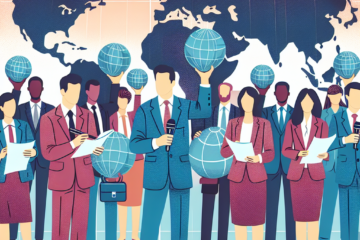
Gender Representation in Political Journalism
Gender Representation in Political Journalism Continues to Evolve
In 2025, discussions surrounding gender representation in political journalism remain crucial for achieving a balanced viewpoint in media narratives. The portrayal of women and non-binary individuals in political reporting not only influences public perception but also shapes policy discussions and societal norms. This article delves into the historical context, current trends, and future possibilities of gender representation in political journalism, providing insights that are essential for understanding these dynamics.
The Historical Context of Gender Representation in Political Journalism
The evolution of gender representation in political journalism can be traced back to significant societal changes throughout the 20th century. Historically, political journalism has been dominated by male voices, largely reflecting the gender dynamics of the political sphere itself. Women began to enter the field in more significant numbers during the women’s suffrage movement, gaining access to journalism roles as they pushed for their own representation in political discussions. Despite these advancements, the early 21st century evidenced a stark gender disparity in media outlets, with men occupying the majority of influential positions in political reporting and editorial boards, which often led to the perpetuation of male-centric narratives.
In recent years, however, there has been a noticeable shift towards greater inclusion. Numerous studies have highlighted the positive effects of diverse perspectives in political journalism, reinforcing the argument that increased gender diversity leads to more comprehensive reporting. Outlets that prioritize gender representation not only provide a more thorough examination of political issues but also engage a broader audience. In 2025, this trend is supported by various initiatives aimed at fostering gender equality in newsroom environments, signifying a progressive change from the traditional male-dominated structures.
Current Trends in Gender Representation in Political Journalism
As of 2025, the media landscape has seen a burgeoning demand for equitable gender representation in political journalism. With the rise of social media and alternative news platforms, various new voices are starting to carve out spaces for themselves in political discourse. This has provided opportunities for women and non-binary individuals who historically have been underrepresented. Initiatives like mentorship programs aimed at young journalists are continuously evolving, focusing on equipping emerging writers with the skills and resources necessary to thrive in the competitive political journalism arena.
Moreover, established news organizations are beginning to implement policies designed to ensure gender balance in their coverage. For example, newsroom diversity audits have become commonplace, enabling organizations to evaluate not just the gender composition of their staff but also the gender representation in their news stories. Such audits encourage a conscientious approach to reporting that acknowledges varying viewpoints and lived experiences, ensuring that the political narratives presented reflect a more balanced reality.
The Role of Technology and Social Media in Shaping Gender Representations
Technology and social media have profoundly impacted gender representation in political journalism. Platforms like Twitter, Instagram, and TikTok have democratized the way information is produced and consumed, allowing marginalized voices to challenge mainstream narratives. In 2025, many female and non-binary reporters leverage these platforms to share commentary and analysis on political events, thus bypassing traditional media gatekeeping. This shift not only amplifies underrepresented perspectives but also encourages mainstream outlets to be more inclusive in their coverage.
However, the relationship between technology and gender representation is not devoid of challenges. Toxic online environments, wherein female and non-binary journalists are often subject to harassment, remain a significant issue. Such harassment can deter individuals from entering or staying in the field, echoing the broader societal inequalities present beyond journalism. Consequently, media organizations in 2025 are exploring innovative strategies to combat online misogyny, creating safe spaces while fostering environments that promote open dialogue and inclusivity.
The accountability of traditional media is further intensified by the attention given to media ethics, transparency, and inclusivity. Public pressure is mounting for news outlets to ensure gender equity in their storytelling, making it clear that consumers are increasingly aware and concerned about who shapes the narratives. This evolving dynamic places a spotlight on political journalism accountability, urging news organizations to take definitive action toward equitable representation.
The Impact of Gender Representation on Political Discourse
The implications of gender representation in political journalism are far-reaching and multifaceted. Increased representation leads to a broadening of political discourse, fostering a landscape where diverse opinions and experiences are valued. As female and non-binary journalists gain visibility in political reporting, they bring unique insights into issues such as reproductive rights, gender equality, and social justice, highlighting topics that may be neglected in male-dominated narratives. In turn, this breadth of coverage encourages audiences to engage with a wider array of political issues, promoting a more informed electorate.
Furthermore, gender representation can significantly influence policy outcomes. When marginalized voices are included in political journalism, there is a higher likelihood of raising issues that matter to various segments of the population. Policymakers may feel compelled to address these concerns, knowing they are part of a broader conversation actively shaped by a variety of journalist perspectives. Hence, gender representation goes beyond simply altering who gets to tell the story; it shapes the very story that is being told.
However, achieving true gender representation is a continuous struggle requiring sustained efforts from all facets of society. It involves not just addressing the gender disparities in newsrooms but also questioning the broader structures that influence political narratives. In 2025, the conversation has shifted towards actionable solutions, urging all stakeholders—from media executives to consumers—to advocate for equitable representation in political journalism.
Future Directions for Gender Representation in Political Journalism
Looking ahead, the future of gender representation in political journalism holds both promise and challenges. As 2025 progresses, there is a growing recognition of intersectionality and its critical role in shaping nuanced journalism. Understanding that gender intersects with race, class, sexuality, and other identities adds layers to political reporting, ensuring that diverse experiences are acknowledged. The inclusion of intersectional perspectives not only enriches political discourse but challenges the monolithic narratives often perpetuated in mainstream media.
Moreover, educational initiatives aimed at young journalists continue to evolve, shedding light on the importance of gender representation. Journalism programs across the globe are increasingly incorporating gender studies into their curricula, preparing future journalists to be more conscious of the narratives they create. In this regard, the empowerment of new voices is crucial in driving the change needed for a more equitable media landscape.
Finally, ongoing collaborations between media organizations, feminist movements, and civil society will be fundamental to promoting gender representation in political journalism. By working together, these groups can advocate for policies that bolster diversity in reporting and create supportive environments for all journalists. In doing so, they can help dismantle the barriers that have historically hindered gender equity within the field and contribute to a more balanced portrayal of political realities in the years to come.
Conclusion
As we navigate through 2025, the evolution of gender representation in political journalism reflects broader societal changes. While advancements have been made toward inclusivity and equity, challenges remain that necessitate continuous dialogue and actionable strategies. Addressing gender representation not only enriches political discourse but also empowers a more informed public, ultimately striving for a more equitable society. The focus on intersectionality, educational initiatives, and collaborative efforts between various stakeholders will be vital in shaping a future where diverse voices contribute to the narratives that define political journalism.
FAQs
What is gender representation in political journalism?
Gender representation in political journalism refers to the inclusion and portrayal of diverse gender identities in media coverage of political issues and events. It highlights the importance of featuring women and non-binary individuals in journalism roles and narratives.
Why is gender representation important in political journalism?
Gender representation is essential in political journalism because it leads to more comprehensive and balanced coverage. Diverse voices contribute to a wider array of perspectives on societal issues, promoting an informed electorate and influencing policy discussions.
What are some challenges faced in achieving gender representation in journalism?
Challenges include systemic discrimination in hiring and promotion, online harassment targeting women and non-binary journalists, and a lack of awareness regarding intersectionality, which encompasses various identities and experiences that affect representation in media.
How can media organizations improve gender representation?
Media organizations can improve gender representation by conducting diversity audits, implementing mentorship programs, fostering inclusive newsroom cultures, prioritizing intersectional perspectives in coverage, and actively addressing online harassment directed at journalists.
What role does social media play in gender representation in journalism?
Social media platforms provide opportunities for underrepresented voices to share their views and commentaries directly, helping to challenge mainstream narratives. However, they can also expose journalists to harassment, indicating the need for increased support and safety measures in the digital space.