The Impact of Devolution on Political Identity in Scotland and Wales
Introduction
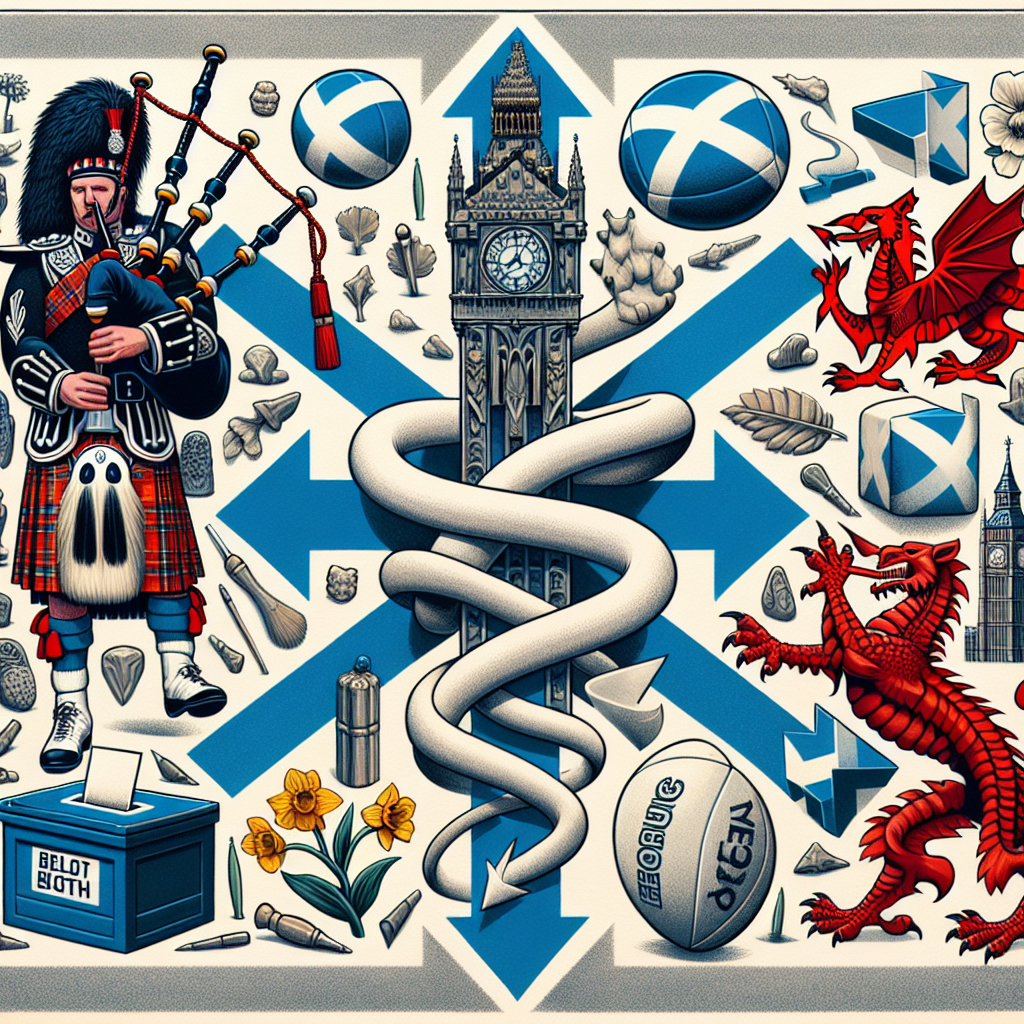
The impact of devolution on political identity in Scotland and Wales has been profound and transformative. Since the late 1990s, both nations have experienced significant changes in governance and national identity, leading to a more pronounced sense of distinct political identities. Devolution has not only reshaped political landscapes but also influenced cultural, social, and economic identities in these regions, giving rise to a more autonomous and self-defined political presence. This article delves into the complex interplay between devolution and political identity in Scotland and Wales, examining historical contexts, political developments, and the consequences of these shifts in 2025.
Understanding Devolution: A Historical Context
The history of devolution in Scotland and Wales can be traced back to the late 20th century. The Scotland Act 1998 established the Scottish Parliament, granting it powers over a range of policy areas such as health, education, and justice. Meanwhile, the Government of Wales Act 1998 paved the way for the National Assembly for Wales, which later evolved into the Senedd in 2020, further enhancing its legislative powers. This reorganization of political authority marked a crucial turning point in the relationship between the UK government and these regions, allowing Scotland and Wales to prioritize local governance and identify their unique political narratives.
As we examine the evolution of political identities in Scotland and Wales, it is essential to consider the historical factors that fueled the demand for devolution. National identity in Scotland, for instance, is deeply rooted in a unique cultural heritage and language, while Wales has a rich history of distinct language and traditions. The post-devolution era saw political identities becoming more cohesive and interwoven with local aspirations, leading to a rise in nationalism and regional pride. The shift was not merely a political movement but a cultural renaissance that facilitated a re-evaluation of what it means to be Scottish or Welsh in the contemporary UK.
The Political Landscape Post-Devolution
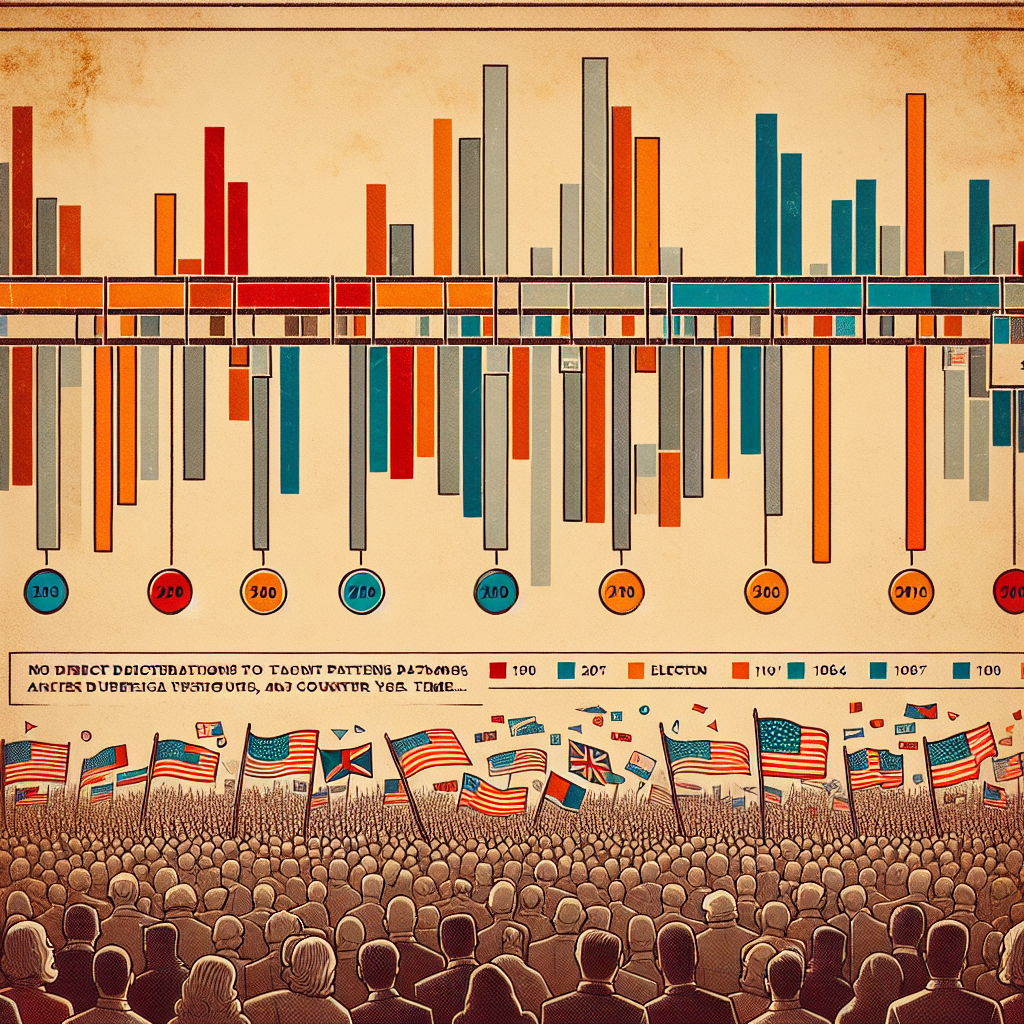
The political landscape in Scotland and Wales has significantly evolved since the advent of devolution. In Scotland, the Scottish National Party (SNP) has risen as a dominant force, advocating for independence and greater autonomy from the UK. The SNP’s successes in various elections have not only solidified its position as the ruling party but have also contributed to a surge in pro-independence sentiments among the Scottish populace. The governance model established by devolution has allowed the SNP to implement policies that resonate with Scots, from progressive tax reforms to expansive social programmes aimed at reducing poverty.
Conversely, the landscape in Wales has presented a more diverse political environment. Parties like Plaid Cymru, which champions Welsh nationalism, have made significant inroads, yet the Labour Party continues to hold substantial power. The evolution of the Senedd into a more powerful legislative body has led to discussions about further devolving powers, including the possibility of tax-raising abilities and greater control over economic development. The Welsh political identity has been shaped by an ever-growing sense of nationalism and a desire for recognition of their specific needs within the broader UK framework. This political diversification has fostered a vibrant debate about the future of Wales and the extent of its autonomy.
The Role of Cultural Identity in Political Dynamics
Cultural identity plays a pivotal role in shaping political dynamics in both Scotland and Wales. The revival of the Scottish Gaelic language and the Eisteddfod in Wales embody a resurgence of interest in national heritage and cultural expression. These cultural movements have acted as catalysts for political awakening, reinforcing the notion that language and culture are tied to self-governance and political agency. By promoting local language, traditional arts, and community values, devolution has created a platform for articulating unique political identities that resonate with the populace, thereby reinforcing the demand for self-determination.
Additionally, the impact of devolution on cultural identity can be observed through educational reforms in both nations. The introduction of curriculum frameworks that emphasize local history, culture, and citizenship has fostered a greater understanding of political identity among younger generations. In Scotland, the Curriculum for Excellence encourages a distinct Scottish perspective within the educational framework, while the Welsh Government has implemented a new curriculum that places Welsh history and language at its core. This educational focus not only shapes the future political landscape but also instills a sense of pride and belonging among the youth, ultimately affecting their political engagements and aspirations.
The relationship between cultural identity and political identity is further observed in the realm of public policy. Issues like climate change, health care, and education have been approached through the lens of national identity, where local needs and perspectives are prioritized. This approach allows politicians to connect with constituents profoundly, as they claim to represent not just political views, but also the cultural ethos and historical narratives of their regions.
Challenges and Controversies Post-Devolution
While the devolution process in Scotland and Wales has significantly contributed to the development of political identity, it has not been without challenges. One of the primary issues facing Scotland is the debate surrounding independence. The 2014 independence referendum exposed deep divides within Scottish society regarding national identity and the future of Scotland within the UK. Despite the defeat of the independence movement, the SNP has continued to advocate for a second referendum, reflecting an ongoing dialogue about identity that remains unresolved in 2025. The resurgence of independence sentiments is fueled by factors such as Brexit, economic policies, and public service management, complicating the relationship between Scotland and the UK government.
Wales, too, has faced its share of challenges post-devolution. The perceived disparity in resources and powers compared to Scotland has led to frustrations within Welsh political circles. The debate about the extent of powers devolved to the Senedd continues, particularly concerning economic policies and budgetary control. This perceived imbalance has stirred conversations about identity, as there are voices in Wales advocating for a sharper Welsh identity within the political landscape, akin to Scotland’s more pronounced nationalist movement. Additionally, the implications of Brexit have raised concerns over trade, immigration, and economic stability in both Scotland and Wales, further influencing political identities.
Moreover, the impact of demographic changes and urbanization on political identity cannot be ignored. Younger populations in urban centers increasingly challenge traditional political dynamics, expressing preferences that may diverge from established political parties. The political identities in Scotland and Wales are evolving, influenced by multiculturalism and diversity, prompting existing political structures to adapt or risk losing touch with their constituents.
The Future of Political Identity in Scotland and Wales
Looking ahead, the future of political identity in Scotland and Wales seems poised for continued evolution. The demand for further devolution of powers is likely to gain momentum as voices advocating for self-determination grow louder. In Scotland, the potential realization of a second independence referendum may reignite discussions around political identity, reshaping perceptions of belonging and governance. Should independence eventually be achieved, it would mark a seismic shift in political identity, fundamentally altering the establishment of Scottish self-governance and its relationship with the rest of the UK.
In Wales, growing momentum for greater autonomy and legislative powers could lead to a reinvigorated debate surrounding Welsh identity within the UK political framework. The push for further devolution is likely to coincide with increased public engagement in political processes, especially among younger demographics. Various grassroots movements are emerging, advocating for a comprehensive understanding of Wales’s unique challenges and the need for tailored governance that aligns with public sentiment. This dynamic evolution will continue to shape Welsh political identity, creating a robust platform for future debates about national aspirations.
Moreover, the ongoing digital transformation in politics, particularly through social media, is changing the way political identities are expressed and mobilized. Both Scotland and Wales are witnessing innovative forms of activism that leverage technology to reach wider audiences. This development could potentially democratize discussions about national identity, encouraging greater participation, inclusivity, and engagement in political discourse—further shaping the political identities of the future.
Conclusion
In summary, the impact of devolution on political identity in Scotland and Wales has engendered profound changes that reflect broader narratives of national aspiration, cultural heritage, and governance. Since the late 1990s, both regions have developed unique political identities that resonate with their historical, cultural, and socioeconomic contexts. The complex interplay of challenges and opportunities arising from devolution continues to shape these identities, creating a dynamic political landscape that is evolving swiftly.
As we move forward into 2025 and beyond, the future of political identity in Scotland and Wales will likely hinge on crucial decisions surrounding autonomy, national pride, and the need for inclusive governance. The ongoing debates surrounding independence, further powers, and cultural revival will undoubtedly influence how these nations perceive themselves within the UK and on the global stage, fostering new discussions about what it means to be Scottish or Welsh in an ever-changing political landscape.
FAQs
What is devolution, and how has it impacted Scotland and Wales?
Devolution refers to the transfer of powers from a central government to regional or local governments. In Scotland and Wales, devolution has resulted in the establishment of legislative bodies (the Scottish Parliament and the Senedd) that can make decisions on various policy areas, fostering a distinct political identity and allowing for localized governance.
How has nationalism influenced political identities in Scotland and Wales?
Nationalism has played a significant role in shaping political identities in both regions. It has led to increased support for parties advocating for independence in Scotland and greater autonomy in Wales. This cultural renaissance emphasizes the importance of local language, heritage, and distinct governance, encouraging citizens to engage more actively in their political landscapes.
What challenges do Scotland and Wales face post-devolution?
Both Scotland and Wales face challenges such as debates over independence (in Scotland) and the extent of devolved powers (in Wales). Additionally, economic disparities, demographic changes, and the implications of Brexit continue to influence the political identities and aspirations of both nations in 2025.
What is the future of political identity in Scotland and Wales?
The future of political identity in Scotland and Wales is likely to be shaped by ongoing discussions about self-determination, the potential for further devolution, and the engagement of younger generations in political processes. Continued cultural revival and demographic changes will also factor into how these identities evolve over time.