The Impact of Drones on Sports Broadcasting
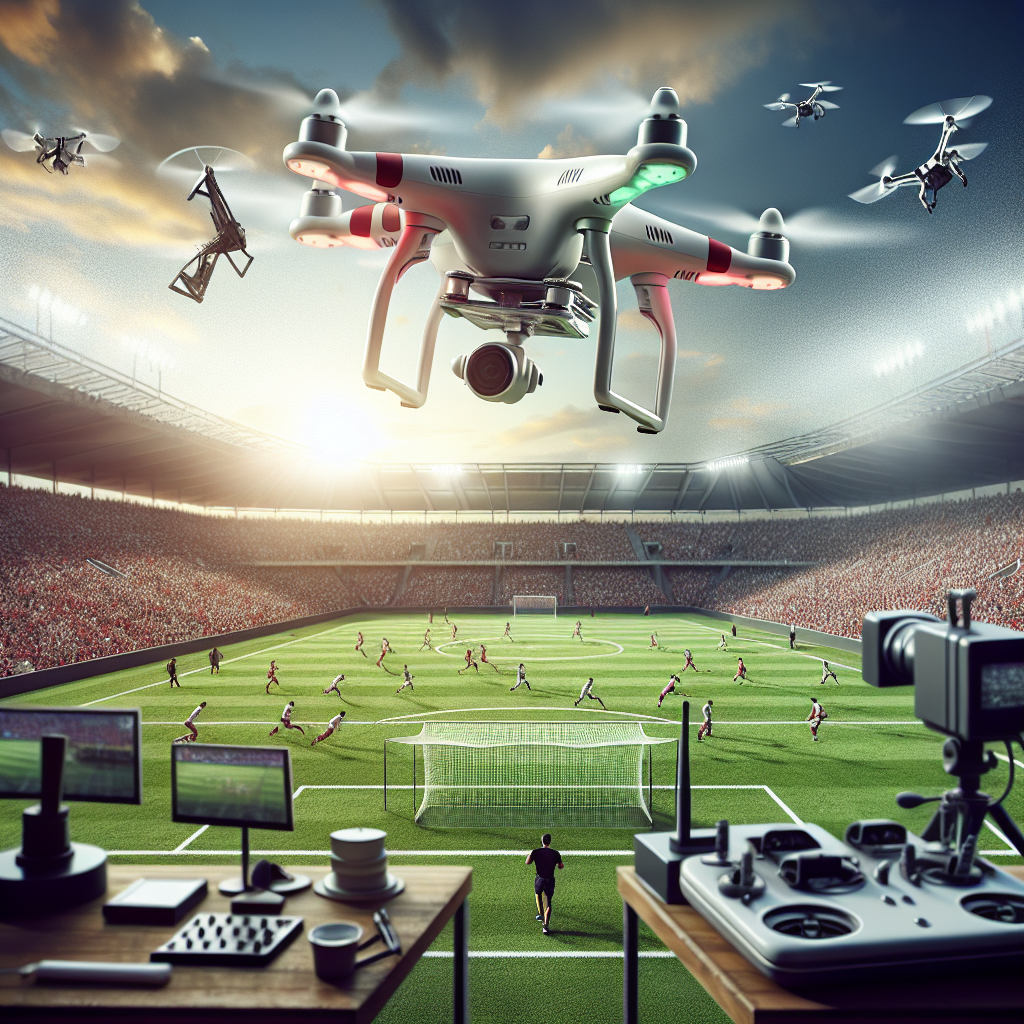
The landscape of sports broadcasting has undergone a significant transformation over the past few years, driven by innovative technologies. One of the most influential advancements reshaping live sports coverage is the utilization of drones. The impact of drones on sports broadcasting in 2025 is profound, offering new perspectives, enhancing viewer engagement, and changing the way audiences experience their favorite sports. This article delves into the various ways drones have revolutionized sports broadcasting, providing a comprehensive analysis of their effects on production quality and audience interaction.
The Evolution of Drones in Sports Broadcasting
Drones have significantly evolved over the last decade, transitioning from military applications to becoming integral tools in various industries, including sports. In 2025, sports broadcasters are leveraging advanced drone technology to capture stunning aerial footage and provide unique vantage points previously inaccessible to traditional camera crews. With lightweight materials, advanced stabilization systems, and high-definition cameras, modern drones offer broadcasters unprecedented capabilities to enhance their storytelling.
The incorporation of drones into sports broadcasting has not only improved visual quality but has also allowed for more dynamic coverage. For example, during live events, drones can seamlessly follow athletes, providing viewers with real-time action shots and panoramic views of the venue. This ability to capture the entire field, court, or track from varied angles enriches the viewing experience and keeps the audience engaged, ultimately affecting viewer retention and increasing television ratings.
Enhancing Viewers’ Experiences with Aerial Footage
One of the most exciting impacts of drones on sports broadcasting is the enhancement of viewers’ experiences through breathtaking aerial footage. In 2025, sports fans are treated to an unparalleled viewing experience as drones hover above stadiums or arenas, showcasing the scale and excitement of sporting events. This aerial perspective not only provides context for the action on the field but also captures the energy of the crowd, allowing viewers to immerse themselves in the entire atmosphere of the event.
Drones contribute significantly to storytelling in sports broadcasting by allowing producers to capture key narrative elements from unique angles. High-speed races, for instance, can be covered more effectively with drones that follow the competitors from above and even alongside, providing viewers with an immersive sense of speed and competition. This dynamic visual approach is a game-changer, setting the stage for a more compelling and engaging broadcast experience for fans around the globe.
The Role of Drones in Real-Time Analytics and Sports Strategy
As technology continues to advance, drones are playing an increasingly vital role in providing real-time analytics during sports broadcasts. By equipping drones with advanced telemetry and analytics tools, broadcasters can gather data instantaneously and offer viewers insights into athletes’ performance, team strategies, and overall game dynamics. In 2025, fans can access data overlays, such as player speeds, distance covered, and strategic formations, every time drones capture live footage.
This integration of real-time analytics into broadcasts allows fans to experience a deeper understanding of the game while providing sports analysts and commentators with the information necessary to enhance their discussions. For instance, during critical moments in a game, analysts can quickly refer to drone-captured analysis to highlight shifts in strategy or player performance, making broadcasts more informative and engaging.
Moreover, coaches and athletes benefit from drone technology, as the footage captured can be analyzed post-game to assess performance and strategize for future matches. This symbiotic relationship between broadcasting, analytics, and sports training establishes drones as essential elements in the modern sports landscape.
The Challenges of Incorporating Drones into Sports Broadcasting
While the impact of drones on sports broadcasting is overwhelmingly positive, some challenges must be addressed. Regulatory concerns surrounding drone usage, especially in crowded venues, are a significant consideration for broadcasters. In 2025, sports organizations and broadcasting networks have worked collaboratively with the Federal Aviation Administration (FAA) and local authorities to establish regulations that ensure safety while maximizing the advantages of drone coverage. Maintaining a balance between innovation and safety is critical to ensuring that drone operations do not interfere with fans or athletes.
Another challenge lies in the technical aspects of drone operation during live broadcasts. Flying a drone in dynamic environments requires skilled pilots and reliable equipment. Communication issues, battery life, and technical malfunctions can disrupt coverage and may lead to missed opportunities for capturing crucial moments. To overcome these challenges, training programs for drone operators and investment in robust technology have become increasingly important within broadcasting companies, setting the stage for seamless integration into the production process.
Finally, broadcasters must also consider audience reception to drone footage. While many viewers appreciate the innovative perspective drones offer, some traditionalists may prefer the classic angles and commentary they are familiar with. Balancing new technology with audiences’ established preferences is crucial, and broadcasting networks are actively seeking viewer feedback to develop hybrid approaches that combine the best of both worlds.
The Future of Drone Technology in Sports Broadcasting
Looking ahead, the future of drones in sports broadcasting appears bright as technology continues to evolve. In 2025, advancements in autonomous drone technologies are paving the way for more sophisticated aerial operations. Future drones are expected to use artificial intelligence (AI) algorithms to analyze footage in real-time, automatically adjusting camera angles based on the action occurring below. This level of automation will allow broadcasters to focus on storytelling rather than manual controls, significantly enhancing production quality.
Additionally, developments in 5G connectivity are set to revolutionize drone broadcasting further. Faster and more reliable connections will enable drones to transmit live video feeds with minimal latency and in stunning high-definition. This advancement will facilitate even more immersive experiences for viewers as they can watch live broadcasts without the traditional delays associated with satellite feeds or terrestrial connections.
The integration of augmented reality (AR) and virtual reality (VR) with drone technology also presents exciting possibilities. Future broadcasts may allow viewers to choose their camera angles and perspectives, providing a personalized experience tailored to individual preferences. Fans could potentially “fly” alongside their favorite players or gain unique insights into gameplay strategies, forever altering the relationship between sports broadcasting and audience engagement.
Conclusion
In conclusion, the impact of drones on sports broadcasting as of 2025 is clear and multifaceted. From enhancing viewer experiences through stunning aerial footage and real-time analytics to presenting challenges such as regulatory compliance and technical operations, drones have transformed how we consume sports content. As technology continues to advance, we can anticipate exciting innovations that will further elevate the sporting experience for fans while ensuring safety and engagement. As broadcasters continue to refine their approaches, the integration of drones promises a future filled with creativity and immersive storytelling.
FAQs
How do drones enhance sports broadcasts?
Drones provide unique aerial footage that enhances the viewing experience, offering dynamic perspectives of sporting events and capturing the atmosphere of the crowd, which keeps audiences engaged.
What are the challenges of using drones in sports broadcasting?
Challenges include navigating regulatory requirements, managing technical operations, and balancing audience preferences for traditional coverage versus innovative drone perspectives.
How is AI transforming drone usage in sports broadcasting?
AI technology allows drones to analyze footage in real time and autonomously adjust their camera angles, enhancing production quality and enabling broadcasters to focus on storytelling.
Will drones replace traditional camera crews in sports broadcasting?
While drones will not completely replace traditional camera crews, they significantly enhance broadcast quality and provide unique perspectives that complement existing production methods.
What advancements can we expect in drone technology for sports broadcasting?
Future advancements include improved autonomous flying capabilities, faster connectivity with 5G, and the integration of AR and VR for immersive viewer experiences.