The Impact of Media on Democratic Processes

The role of media in shaping democratic processes has become increasingly significant in recent years. As we venture deeper into the complexities of the digital age in 2025, understanding how media influences public perception, political discourse, and electoral outcomes is more critical than ever. From social media platforms to traditional news outlets, the way information is disseminated profoundly affects the democratic landscape. This article delves into the multifaceted relationship between media and democracy, examining its impact across various dimensions.
Understanding Media’s Role in Democracy
Media serves as the backbone of democracy by providing citizens with the information necessary to make informed decisions. In the context of democratic processes, media functions not just as a conduit for information but also as a watchdog that holds power to account. As demonstrated in various recent studies, including reports from organizations such as the Pew Research Center, media influences public opinion and can shape electoral behaviors by spotlighting specific issues, candidates, or policies.
Moreover, the rise of the internet and social media has revolutionized how information is shared and consumed. In 2025, digital platforms have become primary sources of news for many citizens, particularly younger demographics. This shift to online news consumption has implications for how information is presented and perceived, allowing for a diversity of voices but also opening avenues for misinformation and echo chambers. The dual-edged nature of media’s reach highlights its essential role in nurturing or undermining democratic values.
The Influence of Social Media on Voter Engagement
Social media’s impact on democratic processes cannot be overstated. Platforms like Facebook, Twitter, and Instagram have transformed the landscape of political engagement, enabling direct communication between voters and candidates. In the 2025 elections, social media campaigns are pivotal for mobilizing support, particularly among younger voters who are more inclined to interact with candidates online. By creating engaging content, candidates can amplify their message, leading to increased voter turnout and engagement.
However, the influence of social media extends beyond mere engagement; it can also distort public perception. Algorithms prioritize content that evokes strong emotional responses, sometimes prioritizing sensational or misleading information. The spread of misinformation has been particularly problematic, with false narratives rapidly circulating during election cycles. This environment can lead to polarization, where individuals become entrenched in fixed viewpoints, posing a challenge to the democratic ideal of informed debate.
The Media’s Role in Shaping Public Opinion
The media’s capacity to mold public opinion is a fundamental element of its influence on democratic processes. Research indicates that media coverage plays a crucial role in framing political issues. By choosing which stories to highlight and how to present them, media outlets can affect which topics dominate public discourse. For instance, during major political events in 2025, such as presidential primaries and global summits, the focus of media attention can dictate the issues that resonate most with voters.
Furthermore, the concept of agenda-setting highlights how media can influence what people think about, rather than necessarily what they think. To illustrate, during critical elections, the framing of specific policies, such as climate change and health care, can determine their salience among voters. Media organizations with distinct ideologies might emphasize varying aspects of the same issue, reinforcing particular narratives that align with their audience’s beliefs, thereby shaping overall public perception in ways that can either enhance or detract from democratic processes.
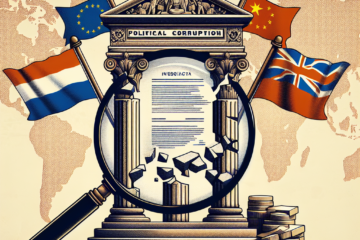
Another aspect to consider is the role of investigative journalism in promoting transparency and accountability. Media exposes corruption and malfeasance, often leading to public outcry and political repercussions. The investigative reports that emerged in 2025 have demonstrated the media’s potential in uncovering electoral fraud or unethical behavior by public officials, reaffirming the press’s role as a crucial player in safeguarding democracy.
Challenges of Media in Democratic Processes
Despite its fundamental role, media faces numerous challenges that can hinder its effectiveness in promoting democracy. One significant challenge is the rise of fake news and disinformation campaigns that proliferate online. According to recent reports, nearly 70% of individuals in the U.S. have encountered misleading information about politics on social media platforms. This trend poses a significant threat to the informed electorate that a healthy democracy requires. Addressing the issue of media literacy has become essential, as voters need the skills to critically evaluate the information they consume.
Additionally, the consolidation of media ownership raises concerns about diversity and plurality in the media landscape. In 2025, a handful of corporations dominate media outlets, potentially stifling a variety of perspectives and reducing the scope of political discourse. This consolidation can lead to homogeneous narratives that do not adequately represent the diversity of public opinion. The implications for democracy are profound, as a lack of diverse viewpoints may weaken democratic dialogue and inhibit the public’s ability to engage with a broad spectrum of ideas.
Moreover, political biases within mainstream media can distort coverage of events and candidate actions. Reports of partisan coverage have led to growing distrust in media institutions, impacting voter perceptions of credibility. A 2025 study found that almost half of Americans believe the media plays a biased role in which political parties receive favorable treatment, thus undermining the public’s faith in democratic institutions as impartial arbiters of truth.
The Future of Media and Democracy
As we move forward, the interplay between media and democracy will continue to evolve. Emerging technologies, such as artificial intelligence and augmented reality, are set to transform how news is produced and consumed. In 2025, AI-generated content is gaining traction, allowing for personalization in news delivery, but also raising ethical concerns about accountability and authenticity. The challenge will be finding a balance between utilizing new technologies for informative journalism while ensuring that accuracy and ethical standards are maintained.
Moreover, the role of media in combating misinformation is more critical than ever. News organizations and fact-checking entities are implementing new strategies to identify and debunk falsehoods swiftly. In an age where a single tweet can have far-reaching consequences, building trust through transparency and accountability is paramount. Media literacy initiatives are also being prioritized, empowering citizens to navigate the complexities of the information landscape effectively.
Furthermore, fostering diversity in media ownership and representation will be pivotal in enhancing democratic engagement. By encouraging a multiplicity of voices, new ideas and perspectives can emerge, contributing to a more dynamic and inclusive political discourse. In 2025, advocacy for policies that support independent journalism and diverse media ecosystems is crucial for reviving public trust and ensuring that democracy thrives.
Conclusion
The impact of media on democratic processes is profound and multi-layered. As we navigate the complexities of the digital age in 2025, understanding this relationship is essential for fostering informed citizen engagement and ensuring the health of democratic institutions. Media serves as both a tool for empowerment and a potential vehicle for misinformation; striking a balance between these roles will shape the future of democracy. By acknowledging the challenges and embracing opportunities for accountability, diversity, and technology, we can enhance the media’s role in promoting a vibrant democratic society.
FAQs
How does media influence elections?
Media influences elections primarily by shaping public opinion, framing political issues, and providing platforms for candidate engagement. It plays a crucial role in informing voters about candidates, policies, and critical issues that can sway electoral outcomes.
What is the agenda-setting theory in media?
The agenda-setting theory posits that media outlets can shape what topics are considered important by the public. While the media may not directly tell people what to think, it significantly influences what they think about.
Are social media platforms responsible for misinformation?
Yes, social media platforms can be responsible for the spread of misinformation, as their algorithms often prioritize sensational content. Many platforms are taking steps to combat misinformation, but the challenge remains significant in maintaining credible discourse.
What role does investigative journalism play in democracy?
Investigative journalism plays a crucial role in democracy by uncovering corruption, holding public officials accountable, and exposing injustices. It acts as a check on power and is essential for transparency and accountability in governance.
Why is diversity in media ownership important for democracy?
Diversity in media ownership is vital for democracy as it ensures a range of perspectives and voices within political discourse. This plurality fosters informed debate, enriches public conversation, and prevents the homogenization of ideas, which can stifle democratic engagement.