The Impacts of Foreign Aid Policies on Global Relations
The Impacts of Foreign Aid Policies on Global Relations
Foreign aid has long been a pivotal element in the fabric of international relations. As we delve into 2025, understanding the impacts of foreign aid policies on global relations becomes crucial. With the landscape of geopolitics shifting rapidly due to climate change, economic disparities, and evolving political alliances, the role of foreign aid is evolving as well. This article explores the multifaceted impacts of foreign aid policies on global relations, covering how they influence diplomatic ties, economic stability, and humanitarian efforts worldwide.
The Role of Foreign Aid in Diplomatic Relationships
Foreign aid serves as a diplomatic tool that can enhance the relationship between donor and recipient countries. By providing financial assistance, resources, or expertise, donor nations often aim to foster goodwill and strengthen alliances. For example, in 2025, countries like the United States and members of the European Union continue to utilize foreign aid not just for humanitarian purposes, but as a strategic partnership tool in regions like Africa and the Middle East. This approach allows donor countries to create favorable political environments that align with their broader geopolitical objectives. Countries receiving aid may feel incentivized to align their policies with those of the donor, facilitating deeper diplomatic ties.
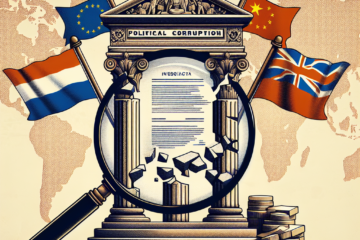
However, the effectiveness of using foreign aid as a diplomatic tool is often subject to debate. Critics argue that such arrangements can lead to dependency and foster corrupt practices in recipient nations. This dependency may inhibit local development as governments may prioritize pleasing foreign donors over addressing imminent domestic needs. In light of increasing scrutiny and calls for accountability, donors are beginning to shift towards policies that emphasize sustainability and self-reliance in their aid programs, which can positively impact how global relations evolve, encouraging more equitable partnerships.
Economic Implications of Foreign Aid on Global Relations
The economic impact of foreign aid is another critical dimension influencing global relations. Aid can stimulate economic growth in developing nations by providing essential funding for infrastructure, education, and health sectors. When effectively utilized, these funds can lead to improved living standards and create a more stable economic environment. For instance, countries in sub-Saharan Africa that have received consistent foreign aid over the years have seen enhanced trade relationships with donor nations and improved investment from foreign entities seeking a stable market.
In 2025, the connection between foreign aid and economic performance is increasingly evident. Countries that benefit from foreign aid often strive to showcase their improved economic outlook as a way to attract additional investment. Conversely, countries that struggle with fiscal responsibility may face diminished aid. As foreign aid becomes increasingly competitive and results-oriented, nations are compelled to adopt better economic policies to enhance their attractiveness as partners, thereby reshaping global economic landscapes and relationships significantly.
Humanitarian Aspects of Foreign Aid and Their Global Implications
The humanitarian aspect of foreign aid plays a significant role in shaping global relations, especially in addressing crises such as natural disasters, pandemics, and humanitarian emergencies. The COVID-19 pandemic illustrated the critical importance of international cooperation and solidarity. In 2025, ongoing global health concerns and climate change-induced disasters continue to call for foreign aid interventions. Countries that successfully provide timely and adequate aid can enhance their international reputation, reinforcing their position on the global stage as compassionate and responsible actors.
Moreover, the link between foreign aid, humanitarian response, and global relations is increasingly multidimensional. Nations that demonstrate a commitment to humanitarian assistance often find themselves in advantageous positions during international negotiations. This reinforces soft power dynamics, where influencing global opinion becomes as critical as military or economic power. In many instances, nations are leveraging humanitarian aid as a strategy to cultivate alliances and foster relationships that extend beyond immediate relief efforts, creating lasting global partnerships.
Additionally, the rising influence of non-state actors, such as non-governmental organizations (NGOs) and international organizations, has transformed the humanitarian landscape. These entities are often on the front lines of delivering aid, leading to shared responsibilities among nations and organizations. In 2025, the collaborative nature of humanitarian efforts facilitated through foreign aid underscores a collective approach to global issues, reshaping traditional paradigms of international relations.
The Challenges of Foreign Aid Policies in Contemporary Global Relations
Despite the many benefits of foreign aid, significant challenges persist that influence its effectiveness and, by extension, global relations. One major challenge is the increasing politicization of aid, where political interests overshadow humanitarian needs. As donor countries often attach political conditions to aid packages, the motives behind aid can become suspect, leading to skepticism among recipient countries and affecting the perception of international relations. In 2025, this trend has become more pronounced, prompting debates on the need for a more principled approach to aid disbursement.
Another challenge lies in the effectiveness and transparency of aid distribution. Allegations of corruption, inefficiency, and mismanagement often plague foreign aid initiatives, which can lead to public disillusionment in donor countries and erode trust in recipient nations. The complexity of monitoring and evaluating aid projects makes it difficult to ascertain their true impact, leading to calls for reforms. In response, many organizations and governments are prioritizing transparency and accountability measures, which can ultimately improve both foreign aid efficacy and international relations.
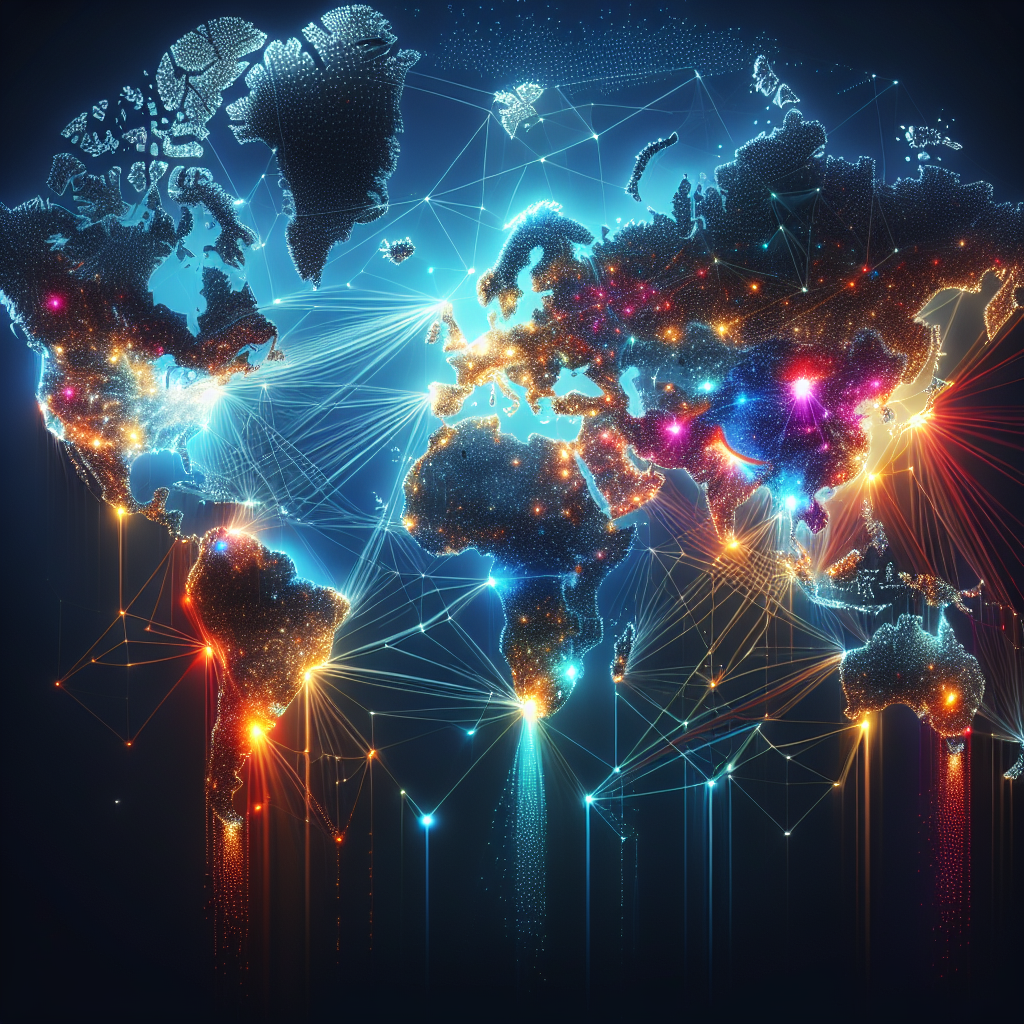
Furthermore, as global challenges become more interconnected, the future of foreign aid policies increasingly requires collaboration across nations. The rise of multilateral funding and joint initiatives indicates a shift towards shared responsibility in addressing global issues such as climate change, migration, and health crises. In 2025, the need for collaborative frameworks in foreign aid delivery is increasingly recognized; partnerships that transcend national borders can cultivate more effective responses to shared global challenges and ultimately strengthen international relations.
The Future of Foreign Aid Policies and Global Relations
Looking ahead, the future of foreign aid will likely see a significant shift towards sustainability and innovation. As global challenges evolve, foreign aid policies are expected to adapt to create long-lasting impacts rather than temporary relief. In 2025, there is a growing acknowledgment of the necessity for aid that promotes resilience and self-sufficiency in recipient countries. This shift emphasizes empowering local communities and governments, enabling them to address their own challenges more effectively and thus engendering a more balanced relationship between donor and recipient nations.
Moreover, technological advancements are playing a pivotal role in reshaping foreign aid policies. In 2025, digital platforms and data analytics are transforming how aid is delivered and monitored. By harnessing technology for more effective targeting of aid and enhancing accountability, donor countries can ensure that resources are allocated efficiently, making foreign aid more impactful. This evolution not only facilitates better resource management but also fosters a new level of cooperation and partnership among nations.
Finally, as climate change and social inequalities continue to pose existential threats, the emphasis on foreign aid is likely to expand to include environmental initiatives and social justice. Donor countries in 2025 are recognizing that their foreign aid policies cannot exist in isolation from these pressing global issues. By integrating climate resilience and social equity into foreign aid strategies, nations will have the opportunity to collaborate on shared goals, reinforce international partnerships, and address the underlying factors contributing to instability worldwide.
Conclusion
In conclusion, the impacts of foreign aid policies on global relations are profound and multifaceted. As we navigate the complexities of 2025, it is clear that foreign aid serves not only as a moral imperative but also as a strategic tool for diplomacy, economic development, and humanitarian assistance. The challenges of politicization, inefficiency, and changing global landscapes present hurdles that require innovative solutions. The future of foreign aid rests on sustainability, technology, and collaborative approaches that can foster equitable partnerships. Understanding and adapting to these dynamics will be crucial for both donor and recipient nations in an increasingly interconnected world.
FAQs
What are foreign aid policies?
Foreign aid policies refer to the strategies and guidelines set by governments and organizations to provide financial assistance, resources, or services to support the development and welfare of other countries facing economic or humanitarian challenges.
How does foreign aid affect global relations?
Foreign aid affects global relations by influencing diplomatic ties, fostering economic growth, addressing humanitarian needs, and creating dependencies or partnerships between donor and recipient countries.
What are the challenges associated with foreign aid?
Challenges associated with foreign aid include politicization, inefficiency, corruption, lack of transparency, and the need for the aid to adapt to evolving global challenges like climate change and social inequality.
How is foreign aid evolving in 2025?
In 2025, foreign aid is evolving towards more sustainable practices, leveraging technology for efficient delivery, and integrating humanitarian efforts with environmental and social equity goals, promoting collaborative global partnerships.
Why is transparency important in foreign aid policies?
Transparency is crucial in foreign aid policies as it fosters trust, ensures accountability, and helps optimize the effectiveness of aid by ensuring that resources are used for their intended purposes.