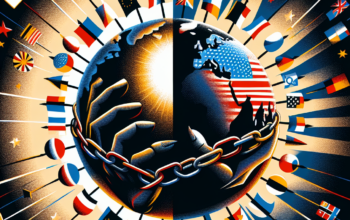
The role of international organizations in shaping democratic practices across the globe has become increasingly significant over the years. As the world grapples with issues like authoritarianism, political instability, and human rights violations, the influence of these entities is paramount. In 2025, as various regions reflect on democratic governance and its challenges, the concerted efforts of international organizations provide critical opportunities and frameworks for fostering democratic norms. This article will explore the ways in which these organizations impact democratic practices, drawing on contemporary examples and trends.
The Role of International Organizations in Promoting Democratic Values
International organizations, such as the United Nations (UN), the European Union (EU), and the Organization for Security and Co-operation in Europe (OSCE), play an instrumental role in promoting democratic values around the world. These entities often serve as platforms for dialogue, consensus-building, and policy formulation, which are essential components of democratic governance. They provide member states with guidelines and frameworks to adhere to fundamental democratic principles, including accountability, transparency, and the rule of law.
Furthermore, international organizations facilitate the exchange of best practices among nations, enabling them to learn from one another’s experiences. By organizing forums, conferences, and workshops, these organizations enhance the capacity of countries seeking to strengthen their democratic practices. This collaborative approach not only fosters understanding but also equips states with the tools necessary for reforming their political systems to be more inclusive and representative of diverse populations.
The Impact of Electoral Assistance Programs on Democratic Processes
One of the most tangible ways international organizations influence democratic practices is through their electoral assistance programs. These programs aim to ensure free, fair, and credible elections, which are the bedrock of any healthy democracy. Organizations like the UN and the EU deploy election observers to various countries to monitor electoral processes, assess compliance with international standards, and provide recommendations for improvement. This oversight helps build public confidence in electoral systems and deters potential fraud or manipulation.
In 2025, as many countries are navigating complex electoral landscapes, these monitoring programs have evolved to include comprehensive support for election management bodies, training for election officials, and public awareness campaigns about the importance of voting. By fostering transparency and inclusivity in electoral processes, international organizations significantly uplift democratic practices and help prevent electoral violence and unrest.
The Influence of International Regulations on Human Rights
International organizations are key advocates for human rights, which directly correlate to the health of democracies worldwide. Institutions like the United Nations Human Rights Council emphasize the responsibility of nations to uphold human rights standards. Through various treaties and agreements, they hold nations accountable for violations, aiming to create a global standard for human rights practices that supports democratic governance.
In 2025, global challenges such as the rise of populism and authoritarian governance have made the advocacy of international human rights standards even more vital. Organizations actively support civil society groups and empower local actors fighting for human rights. Through financial backing, technical assistance, and strategic partnerships, they are increasingly effective in reinforcing democratic ideals at the grassroots level. This multifaceted approach ensures a robust network of advocates for democracy who can hold their governments accountable for upholding human rights and democratic freedoms.
Capacity Building in Governance through International Collaboration
Capacity building is another critical area where international organizations help enhance democratic practices. By providing training and resources for public officials, legislative bodies, and civil society organizations, these entities facilitate a deeper understanding of governance principles. In 2025, programs aimed at developing institutional frameworks, informing policy decisions, and improving public service delivery have gained greater importance, particularly in emerging democracies.
The collaborative nature of these programs encourages knowledge sharing and enriches local capacities. For instance, initiatives focused on enhancing judicial independence and fostering a culture of accountability within government institutions have demonstrated tangible results in various regions. By strengthening these systems, international organizations bolster the foundations of democracy, resulting in better governance and increased public trust in democratic institutions.
Challenges and Criticisms of International Organizations’ Influence
Despite their positive contributions, the activities of international organizations are not without challenges and criticisms. Many nations express concerns over sovereignty and the perceived imposition of external values concerning democracy and governance. In 2025, with the rise of nationalism, some states deliberately reject or limit the influence of such organizations, arguing they undermine local customs and political realities.
Furthermore, the effectiveness of international organizations can be hindered by political conflicts and differing priorities among member states. For example, political pressure may lead to selective enforcement of democratic principles, where some countries receive more scrutiny than others based on geopolitical interests. Such inconsistencies can foster resentment and erode trust, complicating efforts to promote democratic practices effectively.
Future Trends and Prospects for Democratic Practices
Looking ahead, the role of international organizations in shaping democratic practices is likely to evolve in response to global challenges and technological advancements. As we see in 2025, there is a growing focus on digital governance and the impacts of misinformation on democratic processes. In this context, international organizations are beginning to adapt their strategies to address these new threats to democracy.
For instance, initiatives aimed at combating online disinformation, enhancing cybersecurity for electoral processes, and promoting digital literacy among citizens are taking precedence. The recognition that technology can either bolster or undermine democratic practices has led to innovative collaborations between organizations, tech companies, and civil societies. As they tackle issues such as the digital divide, the emphasis on inclusive and participatory governance will remain a central theme in their efforts.
In conclusion, the influence of international organizations on democratic practices is profound and multifaceted. From promoting democratic values and ensuring credible elections to advocating for human rights and strengthening governance capacities, these entities have a critical role in shaping the future of democracy worldwide. Despite the challenges and criticisms they face, their ability to adapt and respond to emerging global trends will determine their effectiveness in fostering democratic ideals and upholding human rights in an increasingly complex world.
FAQs
1. What are some examples of international organizations that influence democratic practices?
International organizations such as the United Nations (UN), the European Union (EU), the Organization for Security and Co-operation in Europe (OSCE), and numerous non-governmental organizations (NGOs) play significant roles in promoting democracy and human rights.
2. How do international organizations provide electoral assistance?
International organizations provide electoral assistance by deploying observers to monitor elections, offering training for election officials, and supporting public awareness campaigns to promote voter participation and uphold electoral integrity.
3. What challenges do international organizations face in promoting democracy?
International organizations face challenges such as resistance from some states that view their efforts as infringements on sovereignty, political conflicts that may hinder effective enforcement of democratic principles, and criticism over selective application of their mandates.
4. How is technology impacting the role of international organizations in democracy?
Technology is reshaping the landscape of democracy by introducing challenges like misinformation and cybersecurity risks. International organizations are adapting by promoting digital governance, enhancing online engagement, and supporting training initiatives to ensure citizens are informed and equipped to participate in democratic processes.
5. What is the future of international organizations in enhancing democratic practices?
The future of international organizations in enhancing democratic practices will likely focus on adapting to technological advancements, addressing emerging global challenges, and fostering inclusive approaches that engage a broader spectrum of society in the democratic process.