The Influence of MLB on Global Baseball Cultures
Introduction
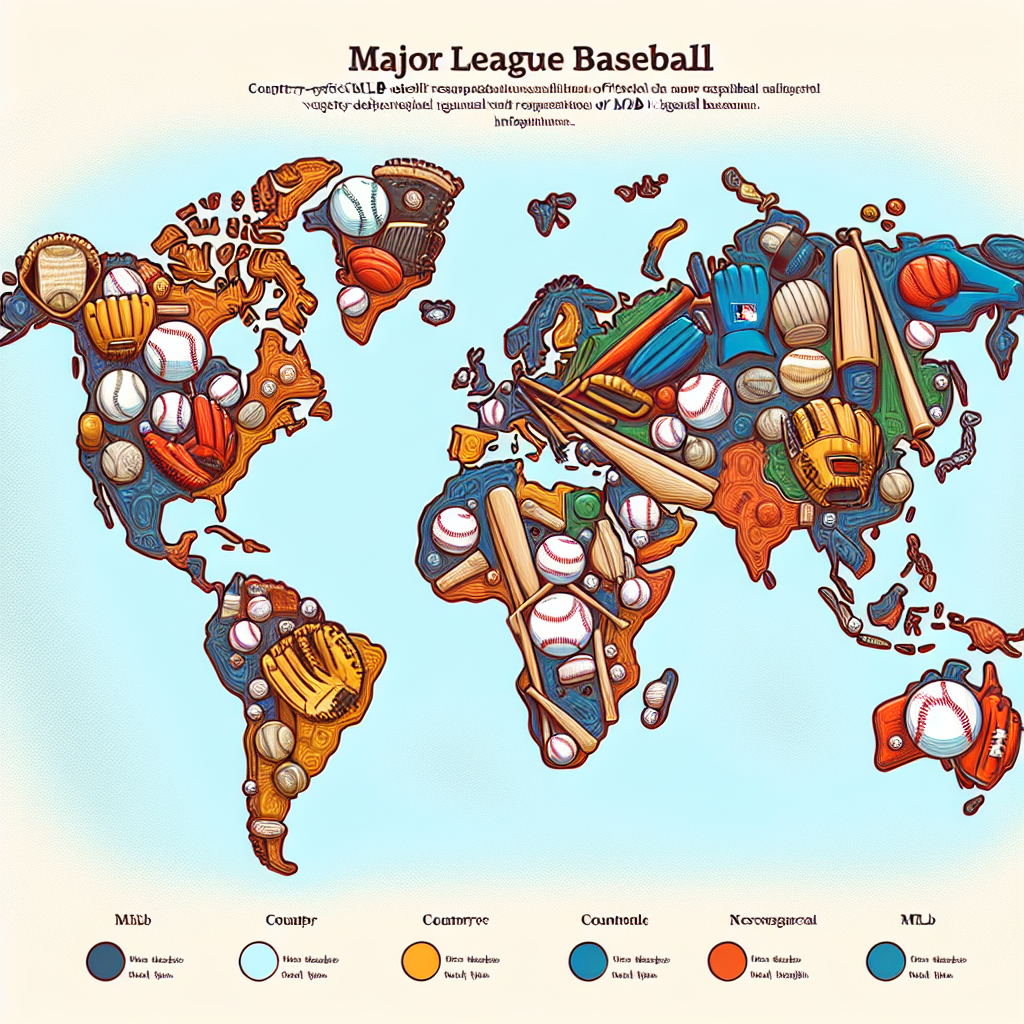
The influence of Major League Baseball (MLB) on global baseball cultures is profound and far-reaching, shaping the sport in various ways around the world. As the premier professional baseball league, the MLB has transcended its roots in the United States, weaving itself into the fabric of different cultures. By exporting its unique style, traditions, and business model, MLB not only attracts international talent but also cultivates a passionate global fanbase. This article explores how MLB impacts diverse baseball cultures around the world, examining the league’s role in player development, international competitions, media presence, and community engagement.
The Global Expansion of MLB and Its Implications
Over the past few decades, MLB has actively pursued international expansion, branching out beyond American borders. This initiative began with the establishment of the World Baseball Classic (WBC) in 2006, a tournament designed to showcase the strength of baseball in various countries while allowing fans to cheer for their national teams. The WBC has greatly influenced baseball cultures by fostering national pride and encouraging budding players from nations with less developed baseball infrastructures. Countries like Japan, the Dominican Republic, and South Korea have produced a wealth of talent, partly due to the visibility and credibility provided by MLB’s global presence.
In addition to the WBC, MLB games have increasingly been played outside the United States, with regular-season games hosted in countries such as Mexico, Japan, and the United Kingdom. This international footprint not only helps MLB tap into new markets but also serves as cultural bridges, inviting local baseball communities to engage with the sport in a richer context. Hosting games overseas allows local audiences to experience MLB’s competitiveness firsthand, igniting interest and participation in baseball at the grassroots level.
MLB: A Catalyst for International Talent Development
MLB has played a crucial role in cultivating talent on a global scale. The league’s extensive scouting networks have discovered and nurtured players from diverse backgrounds, allowing them to showcase their skills on world’s biggest stage. Countries like Cuba, Venezuela, and Japan have developed baseball academies focusing on young, aspiring athletes, often with MLB teams directly involved or sponsoring local youth initiatives. This investment in international player development demonstrates MLB’s commitment to preserving and enhancing the sport across borders, enriching the global baseball landscape.
As MLB teams increasingly sign international players, the impact on their home countries becomes apparent. The success of players like Shohei Ohtani from Japan, Fernando Tatis Jr. from the Dominican Republic, and José Abreu from Cuba not only escalates interest in baseball in their respective countries but also ignites aspirations in young athletes. These players become symbols of hope and inspiration, encouraging youth participation in baseball and legitimizing the sport as a viable career path. Through scouting, recruitment, and talent cultivation, MLB directly influences baseball’s growth into a more global sport.
Media Presence and Representation of Different Cultures
MLB’s considerable media presence has further expanded the influence of baseball cultures globally. Partnerships with international broadcasters and digital platforms allow fans worldwide to access MLB games, news, and highlight reels, dramatically increasing the visibility of the sport. This accessibility allows for the exchange of cultural significances surrounding the game, as fans from distinct countries can witness style variations in gameplay, fan engagement, and celebrations.
Through the lens of MLB, diverse baseball cultures are portrayed to a global audience, fostering mutual respect and admiration. The representation of international players in the MLB provides a melting pot of baseball styles, showcasing how unique cultural backgrounds can influence the game’s execution. For instance, Latin American players often bring flair and passion to their gameplay, which resonates deeply with local fans. Meanwhile, the meticulous, disciplined style often seen in Japanese baseball emphasizes teamwork, offering a contrast that can enrich American baseball narratives.
As media coverage continues to evolve, MLB is positioned to foster dialogues between different baseball cultures, allowing for shared experiences and new understandings of the game’s value and significance. Streaming platforms and social media serve as avenues for younger fans to connect, discuss, and learn about baseball traditions from around the world.
Community Engagement and Fan Development
MLB has recognized the importance of community engagement in spreading the love for baseball. Initiatives such as “Play Ball” encourage youth participation in organized baseball, while clinics and training programs hosted by professional players open avenues for learning. These programs are particularly important in underrepresented communities, where access to baseball facilities and resources may be limited. By empowering local organizations and forming partnerships with schools and community centers, MLB creates a strong foundation for promoting the sport among diverse populations.
In addition to fostering skill development, MLB’s community programs work to promote inclusivity by ensuring that baseball is a sport for everyone. Efforts such as baseball camps specifically tailored for young girls and initiatives to support athletes with disabilities highlight how MLB actively seeks to make the sport accessible. This focus on inclusion resonates deeply with fans from various backgrounds and reflects the diverse fanbase that MLB continues to cultivate globally.
The role of MLB in community engagement extends beyond just player development; it is about creating a culture of appreciation and bonding through the sport. International fans often report a deep connection through shared experiences, such as attending MLB games or participating in local baseball events. By nurturing this global baseball culture, MLB strengthens its brand while simultaneously revitalizing the language of baseball worldwide.
The Future of MLB and Its Role in Global Baseball Cultures
As we progress through 2025, the role of MLB in shaping the future of global baseball cultures can be expected to grow even more prominent. With advancements in technology and increased globalization, the league is likely to continue diversifying its reach and influence. The expected implementation of new digital strategies will enable the MLB to engage younger audiences more effectively, employing virtual and augmented reality experiences during games that appeal to tech-savvy fans. This evolution in engagement strategies serves to create a rich, interactive experience for fans across the globe, thereby reinforcing baseball’s status as a beloved pastime.
MLB is also likely to expand its community outreach efforts, tapping into the growing importance of social justice and equality in sports. By championing causes pertinent to various global communities— such as youth education, health, and social programs— MLB can carve out a unique legacy that resonates with fans. Collaborations with International Federation of Baseball and Softball (WBSC) can enhance baseball’s reputation while reaching populations that may not traditionally follow the sport. This approach encompasses a renewed commitment to ethical practices that facilitate positive change in the communities they touch.
Ultimately, MLB’s influence on global baseball cultures is likely to deepen as international partnerships expand, practices diversify, and technology evolves. This evolution presents an exciting horizon for nurturing talent and engaging fans worldwide, ensuring baseball maintains its status as a prominent global sport.
Conclusion
The influence of MLB on global baseball cultures is undeniable, having transformed the perception and identity of baseball in various regions across the world. From expanding its reach through international competitions and media to cultivating local talent and engaging with communities, MLB serves as a conduit for fostering a passion for baseball across diverse landscapes. The dynamics of how MLB interacts with various cultures continue to shape the future of the sport, offering renewed opportunities for players and fans alike. Understanding this influence emphasizes the broader significance of baseball as a universal language that transcends borders, creating a shared love for the game.
FAQs
What is the World Baseball Classic, and how does it influence global baseball cultures?
The World Baseball Classic is an international tournament where national teams compete, showcasing talent from around the world. It fosters national pride and increases interest in baseball culture within participating countries.
How does MLB support the development of international players?
MLB invests in scouting networks and collaborates with youth academies globally to identify and develop emerging talent from various backgrounds, encouraging local communities to embrace the sport.
What role does media play in shaping the perception of baseball cultures worldwide?
MLB’s media presence enhances visibility and representation of different baseball cultures, allowing fans to access diverse gameplay styles and traditions. This fosters mutual appreciation and understanding among global audiences.
How does MLB engage with local communities?
MLB initiates programs such as “Play Ball” to encourage youth participation and sportsmanship while promoting inclusion. These activities build strong community ties and enhance the overall popularity of baseball.
What’s the future of MLB’s influence on global baseball?
As technology advances and globalization continues, MLB is likely to enhance its engagement strategies, community outreach, and partnerships, deepening its influence on baseball cultures worldwide.