The Influence of Populism on Modern Political Leadership

Introduction
In recent years, the landscape of global politics has undergone significant transformation, catalyzed largely by the rise of populism. As we navigate through 2025, the influence of populism on modern political leadership remains profound, reshaping policies, electoral strategies, and the overall governance paradigm. This article delves into the intricacies of populism, examining its characteristics, the ways it manifests in contemporary leadership, and its implications for both democracy and policy-making practices worldwide. By understanding the influence of populism, we can better comprehend the fertile ground it creates for political movements and evaluate its impact on leadership approaches driven by citizen engagement and discontent.
Understanding the Characteristics of Populism
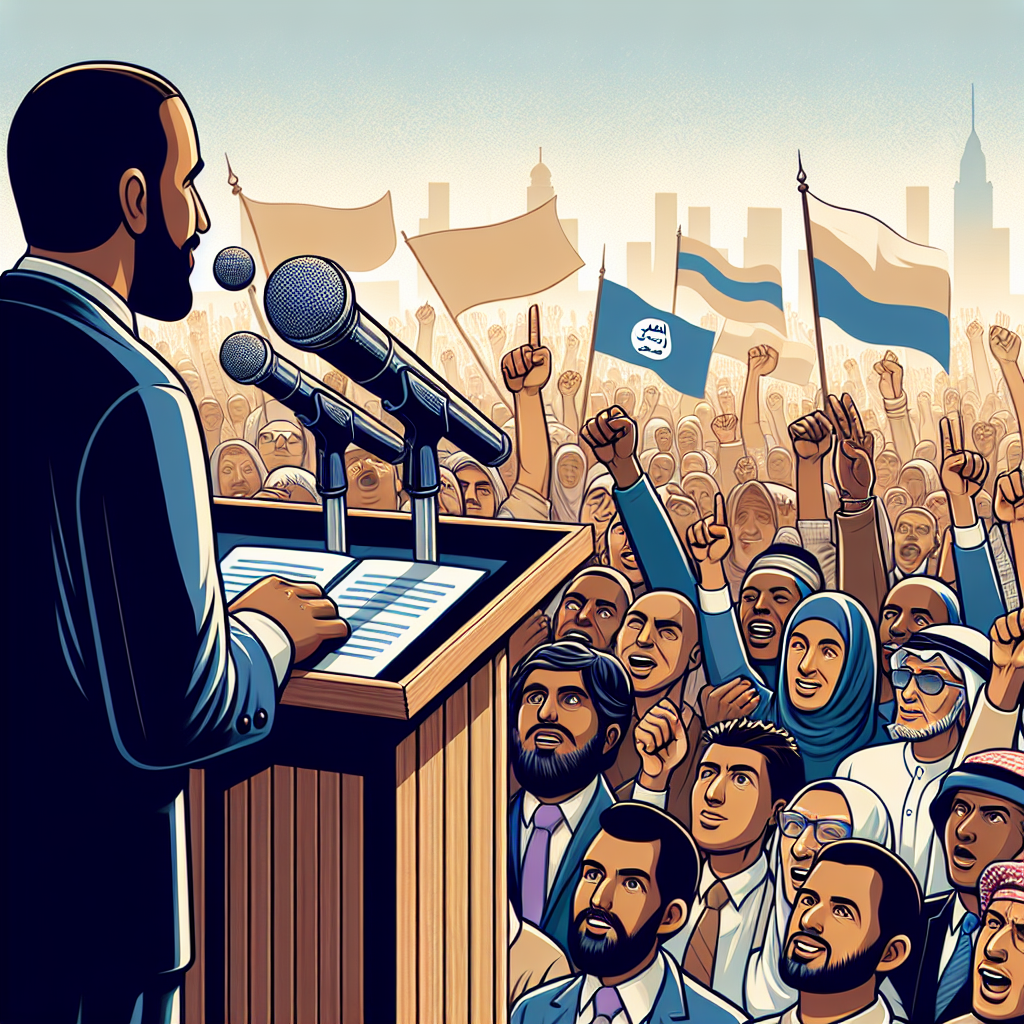
Populism can be characterized as a political approach that seeks to represent the interests and concerns of ordinary people, often by presenting a dichotomy between “the people” and “the elite.” This juxtaposition is a fundamental aspect of populist rhetoric, as leaders frequently position themselves as champions of the common person against a perceived corrupt or out-of-touch establishment. In the year 2025, this theme resonates widely, as citizens across various nations express their grievances regarding economic inequality, social injustice, and political disenfranchisement. Consequently, populist leaders emerge as vehicles for addressing these sentiments, often utilizing social media platforms and grassroots movements to amplify their messages.
Furthermore, populism can manifest in diverse ideological frameworks, varying from left-leaning to right-leaning movements. For instance, left-wing populism may focus on issues such as wealth redistribution and social equity, while right-wing populism may highlight nationalism and anti-immigration sentiments. In a globalized and interconnected world, the nuances of these ideologies can converge, spurring hybrid political movements capable of attracting a broad base of support. Understanding these characteristics is essential for analyzing the power dynamics and leadership styles of contemporary figures who leverage populism to gain traction in the political arena.
The Role of Social Media in Promoting Populism
In the digital age, social media has emerged as a crucial tool for political leaders, amplifying populist messages and facilitating direct communication with constituents. As of 2025, platforms such as Twitter, Facebook, and Instagram have transformed the way political campaigns are conducted. Populist leaders effectively utilize these platforms to bypass traditional media, allowing them to directly engage with the electorate and present their narratives unfiltered. This engagement not only fosters a sense of connection between leaders and their followers but also encourages the rapid dissemination of ideas and emotions that underpin populist movements.
Moreover, social media can exacerbate the polarization evident in modern political discourse, as algorithms prioritize sensational content to boost engagement. This tendency can lead to echo chambers, where populist narratives gain traction among like-minded individuals, further solidifying their appeal. As such, leaders often capitalize on outrage and discontent, using memes and viral content to mobilize grassroots support. By harnessing the power of social media, populist leaders navigate the complexities of modern political leadership while shaping public perception and reinforcing their positions at the forefront of contemporary politics.
Populism and Democratic Institutions
The influence of populism on democratic institutions has sparked considerable debate among political analysts and scholars. On one hand, populism can invigorate democratic processes by encouraging greater citizen participation and fostering discussions around important issues often overlooked by mainstream politics. By galvanizing public sentiment and pushing critical topics to the forefront of political discourse, populist movements can challenge the status quo, compelling traditional parties to respond to citizen demands more vigorously.
Conversely, the relationship between populism and democracy is fraught with tension. Populist leaders, bolstered by their charismatic authority, may attempt to undermine institutions that serve as checks on their power, impacting judicial independence, media freedom, and electoral integrity. In 2025, we see examples of this dynamic playing out in various countries, where populist leaders have sought to consolidate their power and diminish the roles of counterbalancing institutions. This erosion can give rise to authoritarian tendencies, presenting a significant challenge to the framework of liberal democracy and prompting concerns about the long-term health of political systems influenced by populism.
Furthermore, the rise of populism can lead to the polarization of public opinion, obstructing consensus-building and reinforcing divisions within society. The populist tendency to vilify opponents and frame political struggles as battles between “good” and “evil” further exacerbates tensions, making it challenging for democratic institutions to foster constructive dialogue and collaboration. This phenomenon raises critical questions about the sustainability of democratic practices in the face of growing populist movements, compelling scholars and practitioners alike to reevaluate the state of modern political leadership.
Case Studies: Populist Leaders in 2025
Examining prominent populist leaders in 2025 reveals a diverse array of strategies and impacts on national and global politics. Notable figures such as Brazil’s President, who campaigned on a platform centered around anti-corruption and environmental sustainability, establish connections with citizens disenchanted by traditional political structures. Through grassroots engagement, social media campaigns, and a commitment to addressing local issues, this leader has garnered significant support, especially among younger voters who seek innovative solutions to longstanding problems.
In the European context, the rise of right-wing populism remains evident as leaders rally against immigration, European Union bureaucracy, and globalization. Through a blend of nationalistic fervor and economic discontent, these leaders have successfully influenced mainstream political discourse, often forcing centrist parties to adopt more stringent stances on immigration and sovereignty. The ongoing popularity of these leaders underscores the adaptability of populist movements, showcasing how they can evolve and impact political landscapes even within established democratic frameworks.
Another salient example is the political realignment driven by leftist populism in various parts of Latin America, where leaders focus on social equity, labor rights, and economic reforms. By appealing to marginalized populations and addressing systemic inequalities, leftist populist leaders have gained traction and reshaped the political landscape. Their promises of comprehensive social programs and inclusionary policies resonate with citizens feeling sidelined, highlighting the multifaceted nature of populism and its varying manifestations across borders.
The Future of Populism in Political Leadership
As we move further into 2025 and beyond, the trajectory of populism in political leadership remains an area of keen interest and concern. Experts suggest that while populism may continue to influence political discourse, its sustainability will be challenged by various factors, including economic conditions, public sentiment, and institutional responses. The long-term viability of populist movements will depend on their ability to address pressing issues beyond mere rhetoric, particularly in a rapidly evolving global landscape marked by environmental crises, economic disparities, and technological advancements.
Political leaders will face pressure to transition from reactionary populism toward more pragmatic, solution-oriented governance. As discontented citizens seek answers to complex problems, populist leaders must demonstrate a capacity for effective policy implementation rather than relying solely on incendiary rhetoric. The ability to translate populist fervor into tangible change will ultimately determine the future role of populism in shaping political leadership.
Moreover, the interaction between populism and global challenges, such as climate change and public health crises, will shape both the discourse and practices of future political leaders. Successful populist movements may need to embrace collaborative approaches that prioritize sustainability and inclusive governance to remain relevant. In an interconnected world, finding common ground and addressing the collective issues that transcend borders will shape the evolution of populism and its enduring influence on political leadership.
Conclusion
The influence of populism on modern political leadership is a multifaceted phenomenon that has transformed the political landscape across the globe. By understanding the characteristics of populism, the role of social media, its impact on democratic institutions, case studies of prominent leaders, and the future trajectory of populism, we can gain deeper insights into the complexities of contemporary governance. As we navigate the challenges and opportunities posed by populism in 2025 and beyond, it becomes essential to foster productive discussions that bridge divides and address the grievances of citizens while preserving democratic integrity.
FAQs
What is populism in the context of political leadership?
Populism refers to a political approach that seeks to represent the interests of ordinary people, often contrasting them with a perceived corrupt elite. It can manifest across the political spectrum, encompassing both left-wing and right-wing ideologies.
How does social media influence populism?
Social media serves as a critical tool for populist leaders to communicate directly with constituents, bypassing traditional media. It fosters engagement and allows for rapid dissemination of populist narratives, often enhancing polarization in public discourse.
What are the risks associated with populism in democratic societies?
While populism can invigorate political participation, it may also undermine democratic institutions, erode judicial independence, and instigate polarization. The tendency of populist leaders to consolidate power can pose risks to the health of democracy.
Can populism have positive effects on governance?
Populism can draw attention to critical issues often ignored by mainstream politics and encourage greater citizen engagement. However, its effectiveness in promoting pragmatic governance and long-term solutions remains a subject of debate.
What is the future of populism in political leadership?
The future of populism will likely depend on various factors, including economic conditions and societal demands. Successful populist movements may need to evolve towards more solution-oriented governance to maintain relevance in an increasingly complex global landscape.