The Influence of Subsidies on Agricultural Practices
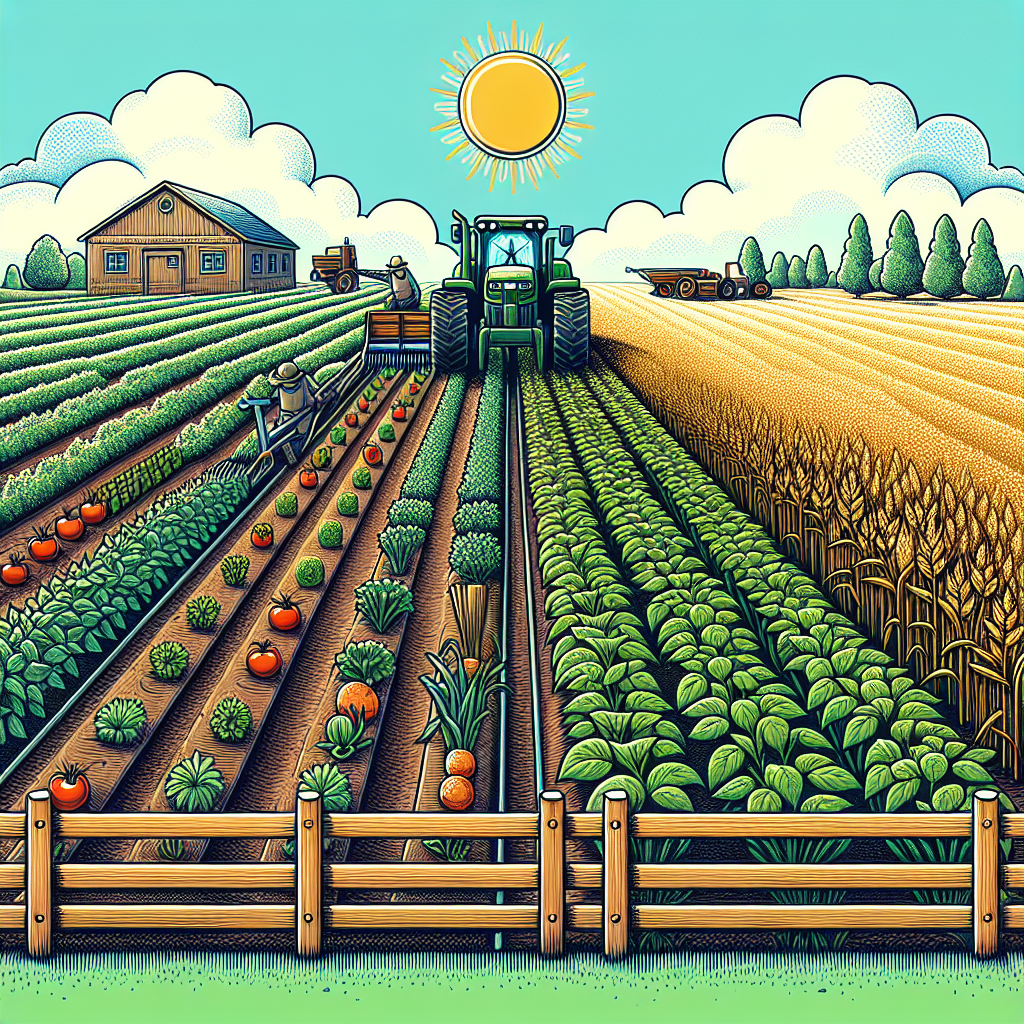
The Influence of Subsidies on Agricultural Practices
Agricultural subsidies are pivotal in shaping farming practices around the globe, impacting everything from crop choices to sustainability efforts. In recent years, particularly as we move into 2025, the conversation surrounding these subsidies has evolved significantly. The influence of subsidies on agricultural practices is a multifaceted topic that encompasses economic stability, environmental considerations, and social impacts. As farmers adapt to changing market demands and consumer preferences, understanding how subsidies guide their decisions becomes crucial for stakeholders across the agricultural spectrum.
The Role of Subsidies in Modern Agriculture
Subsidies have been integral to agricultural systems for decades, serving as financial support to farmers and encouraging specific crops or practices. In 2025, we see a growing trend toward incentivizing sustainable agriculture through targeted subsidies. Governments allocate funds to promote environmentally friendly practices, such as organic farming and regenerative agriculture, thereby influencing farmers to adopt methods that align with sustainability goals. This shift is reinforced by increasing consumer demand for ethically produced food, compelling farmers to reconsider traditional agricultural practices that may not yield long-term benefits.
Moreover, direct payments and price support programs remain vital components of subsidy frameworks. For example, the United States and the European Union have introduced various financial programs to support farmers during times of price volatility. These governmental aids not only provide a safety net but also affect production levels and crop selection. Farmers often make decisions based on the profitability assured by subsidies, shaping the agricultural landscape significantly. As we analyze the year 2025, it’s clear that these financial incentives help stabilize income while encouraging innovation in agricultural techniques.
Economic Implications of Agricultural Subsidies
The economic ramifications of agricultural subsidies are profound, affecting both local economies and international trade dynamics. In 2025, many nations continue to depend on these financial supports to maintain the viability of their agricultural sectors. For local economies, subsidies can provide a significant boost, helping farmers afford new technologies and improve productivity. Lower operational costs enable farmers to invest in better seeds and equipment, ultimately leading to higher yields and improved food security.
However, the impact of subsidies is not universally positive. Critics argue that these financial supports can create market distortions by favoring specific crops or practices over others. This often results in overproduction, driving down prices for certain commodities and undermining the livelihoods of smaller farmers who may not receive the same level of support. Furthermore, international trade agreements can complicate the effects of subsidies, as exporting nations must navigate tariffs and subsidies from other countries. The challenge for policymakers in 2025 will be to strike a balance between supporting domestic farmers and promoting fair competition in global markets.
Sustainability and Environmental Considerations
The influence of subsidies on agricultural practices is increasingly centered around sustainability and environmental responsibility. In 2025, the global agricultural sector faces pressing environmental challenges, including climate change, soil degradation, and water scarcity. In response, many governments are reevaluating their subsidy programs to align with sustainability goals. This shift encourages farmers to adopt practices that utilize resources more efficiently and reduce their carbon footprint.
One emerging practice supported by subsidies is precision agriculture, which utilizes technology to enhance crop management. Farmers can receive financial assistance to adopt sensors, drones, and data analysis tools that optimize water usage and decrease chemical inputs. This approach not only improves yields and profitability but also aligns with environmental objectives, demonstrating how subsidies can promote innovative agricultural practices that mitigate negative environmental impacts.
Moreover, agroecological practices are gaining traction alongside traditional subsidies as farmers seek to enhance biodiversity and soil health. Programs that support cover cropping, crop rotation, and reduced tillage are emerging as viable options for farmers looking to transition away from chemical-intensive practices. In 2025, the success of these initiatives hinges on effective subsidy policies that reward farmers for implementing sustainable practices, ultimately fostering a more resilient agricultural system.
Social Impacts of Subsidy Structures
Beyond economics and environmental concerns, the influence of subsidies on agricultural practices extends into social dimensions. In 2025, the discussion surrounding food security and access to resources has become more critical than ever, with subsidies playing a key role in shaping these outcomes. By providing financial support to farmers, subsidies can increase local food production and improve access to fresh produce for communities, particularly in food deserts.
However, the distribution of subsidies raises questions about equity and fairness. Large agribusinesses often receive a disproportionate share of government support, while smallholder farmers may struggle to access these funds. In many cases, this leads to a concentration of land and resources within a few hands, exacerbating social inequalities. Policymakers face the challenge of reforming subsidy programs to ensure that support reaches diverse farming operations and contributes positively to community well-being.
Furthermore, as consumers increasingly demand transparency regarding food sourcing and agricultural practices, subsidies can help bridge the knowledge gap between farmers and consumers. Educational initiatives funded through subsidy programs can empower farmers to communicate the benefits of sustainable and ethical practices to their customers. By fostering direct connections between food producers and consumers, subsidies can create a more informed society that values sustainable agriculture and equitable food systems.
The Future of Agricultural Subsidies in a Changing Landscape
As we look toward the future of agricultural subsidies in 2025 and beyond, adaptability will be crucial. The agricultural landscape is evolving rapidly in response to climate change, technological advancements, and shifting consumer preferences. Subsidy programs must become more flexible to accommodate these changes effectively. This might involve reconfiguring eligibility criteria, adjusting payment structures, or incorporating new sustainability metrics to incentivize novel practices.
The potential integration of digital technologies into subsidy programs offers exciting prospects. Blockchain, for instance, could enhance transparency and traceability in subsidy distribution, ensuring that funds are allocated efficiently and reach the intended recipients. As farmers become more tech-savvy, subsidies that support innovation in agricultural practices may yield significant dividends in productivity and environmental benefits.
Moreover, collaboration among stakeholders, including farmers, government agencies, and environmental organizations, will be essential in redesigning subsidy programs. The development of multi-stakeholder partnerships can foster innovative solutions that address economic, social, and environmental objectives. As we move further into 2025, the influence of subsidies on agricultural practices may evolve into a more holistic framework that promotes resilience, equity, and sustainability in global agriculture.
Conclusion
In 2025, the influence of subsidies on agricultural practices remains a critical area of study and action. These financial supports guide farmers’ decisions, affecting economic stability, environmental sustainability, and social equity within agricultural sectors. While subsidies can promote positive outcomes like innovation and increased production, they can also create challenges such as market distortions and inequities. As the agricultural landscape transforms in response to global pressures, the role of subsidies must adapt, ensuring they foster an equitable and sustainable food system for all stakeholders.
FAQs
What are agricultural subsidies?
Agricultural subsidies are financial aids provided by governments to support farmers, encouraging specific crops or practices to stabilize prices and ensure food security.
How do subsidies affect crop selection?
Subsidies influence crop selection by providing financial incentives for particular crops, encouraging farmers to prioritize these over others based on profitability and market demands.
Are subsidies beneficial for small farmers?
While subsidies can benefit small farmers by providing financial support, the distribution of these funds often favors larger agribusinesses, creating challenges for equitable access.
How can subsidies support sustainable agriculture?
Subsidies can promote sustainable agriculture by funding practices like organic farming and precision agriculture that minimize environmental impact while encouraging efficient resource usage.
What changes can be expected in subsidy programs in the future?
Future subsidy programs may become more flexible, integrating technology, emphasizing sustainability, and fostering multi-stakeholder collaborations to adapt to changing agricultural landscapes.