The Influence of Super PACs on American Democracy


The Influence of Super PACs on American Democracy
In recent years, Super PACs have profoundly shaped the landscape of American democracy. These independent expenditure-only political committees have enabled individuals and organizations to influence elections like never before, raising significant funds to support candidates and causes. As we navigate through 2025, understanding the role of Super PACs is essential to grasping the current state of political influence in the United States and its implications for democratic practices. This article will explore the history of Super PACs, their operational mechanics, their influence on election outcomes, and the ongoing debates regarding their impact on democracy.
An Overview of Super PACs in American Politics
Super PACs emerged in the aftermath of the 2010 Supreme Court ruling in Citizens United v. Federal Election Commission, which allowed unlimited independent expenditures in support of candidates. This ruling fundamentally altered the dynamics of political financing by recognizing that political spending is a form of protected free speech under the First Amendment. Consequently, Super PACs were established as organizations that could raise and spend unlimited amounts of money, primarily from corporations, unions, and wealthy individuals, all while being prohibited from directly coordinating with candidate campaigns.
The rise of Super PACs has resulted in substantial shifts in campaign finance dynamics. The 2024 presidential election saw some of the highest spending in history, with Super PACs collectively pouring billions into influencing voter preferences. Given that these organizations can fund advertisements, mobilize volunteers, and conduct voter outreach, their influence on election outcomes has become increasingly evident. As we continue into 2025, the role of Super PACs in shaping candidates’ platforms and electoral strategies will remain critical to understanding American political engagement.
Super PACs and Their Impact on Election Outcomes
In the last several election cycles, Super PACs have demonstrated their capacity to tip the scales of electoral outcomes. The expenditures made by Super PACs often dwarf those of candidate campaigns themselves. For instance, in the 2024 elections, a prominent Super PAC supporting a major candidate reported spending over $300 million on advertisements, grassroots mobilization, and digital campaigning. This financial clout enables Super PACs to dominate the narrative surrounding political candidates, thereby swaying public opinion and voter turnout.
Moreover, the influence of Super PACs extends beyond mere funding; they also play a significant role in choosing candidates. In the increasingly polarized political environment, Super PACs can provide critical support to newcomers or challengers who might otherwise struggle for visibility against established candidates. By backing candidates who align with their priorities, Super PACs not only affect individual races but can also shape the overall ideological landscape within political parties. As a result, we are witnessing a new era of political strategy where Super PACs serve as kingmakers within both major parties.
The Debate on Democracy and Super PACs
The emergence of Super PACs has ignited a fierce debate regarding their effects on American democracy. Proponents argue that they provide a platform for free speech and political expression, giving individuals and groups a voice in the political arena. They contend that Super PACs can enhance voter engagement by funding informative advertisements and outreach initiatives. However, the significant financial disparities facilitated by these organizations raise serious questions about equity in political representation.
Critics argue that Super PACs foster an environment where the interests of the wealthy overshadow the voices of average citizens. With the ability to spend lavishly on campaign efforts, wealthy donors and corporations can exert immense influence over political agendas, potentially undermining democratic principles. As these financial entities proliferate, the risk increases that policy decisions may cater more to affluent interests than to the general populace, creating an imbalance that threatens the notion of government by the people. The discourse surrounding Super PACs and their influence continues to evolve as more individuals and advocacy groups call for reforms to reduce this power.
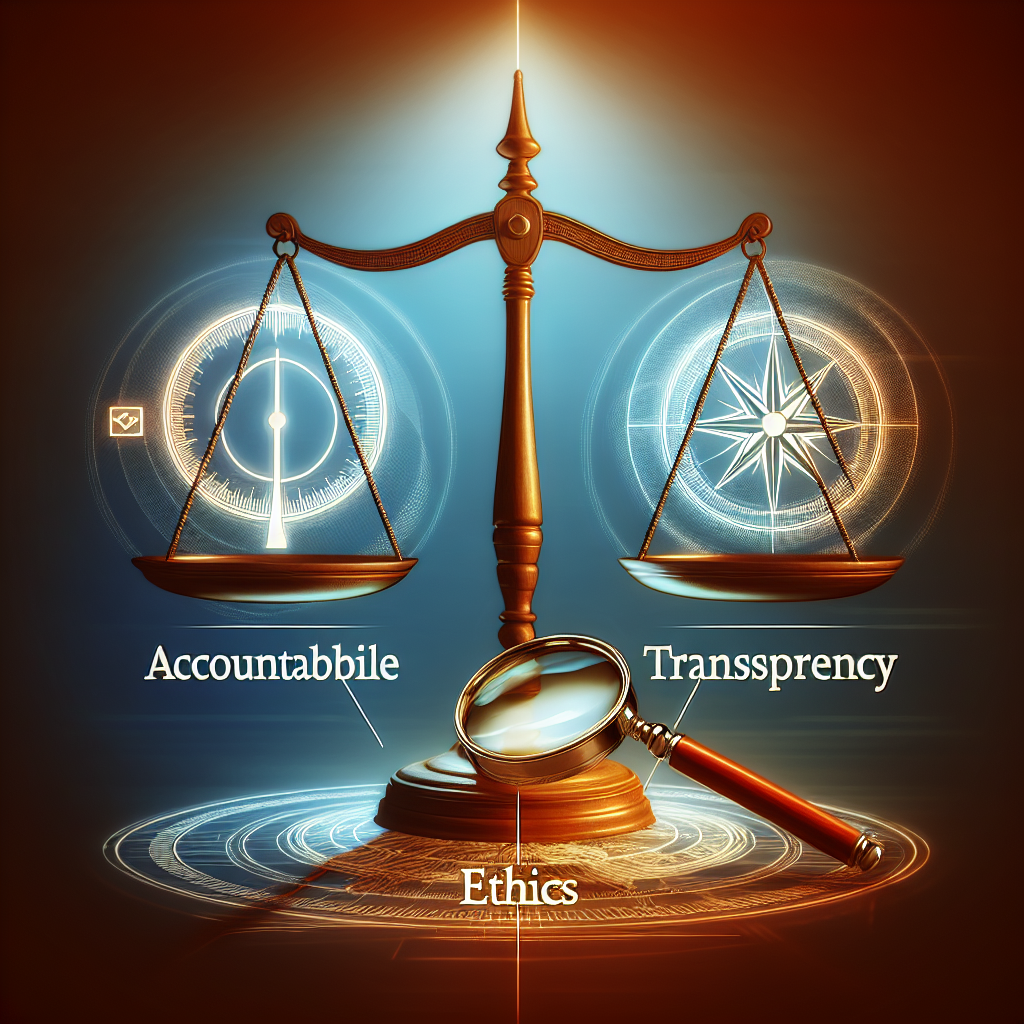
Moreover, the proliferation of dark money in politics—a term used to describe funds that are spent on political advocacy by organizations that do not disclose their donors—has raised even greater concerns. While Super PACs are required to disclose their contributors, the broader landscape of political funding includes many entities that do not, making it increasingly challenging for voters to understand who is truly financing campaigns and influencing policies. This lack of transparency diminishes accountability and can breed distrust among the electorate—ultimately challenging the legitimacy of democracy itself.
The Future of Super PACs and Political Reform
As we move into 2025, the future of Super PACs and their role in democracy remains uncertain. On one hand, the current political climate seems conducive to the continued proliferation of these powerful entities, particularly as candidates increasingly rely on their financial support to compete. With every election cycle, the influence of Super PACs appears to solidify, thereby perpetuating a cycle of big money in politics that challenges the foundational principles of representative democracy.
On the other hand, there is growing public awareness and sentiment around the need for campaign finance reform. Advocacy groups and citizen coalitions across the nation are pushing for legislation that would impose stricter regulations on contributions and improve transparency in political spending. The 2024 elections showcased a heightened engagement among voters regarding issues of political finance, suggesting that the public is increasingly critical of the status quo. Should reform measures gain traction, we might see a recalibration of the electoral playing field, resulting in a more equitable system that prioritizes voters’ interests over those of the affluent few.
The legal landscape itself may evolve as courts reassess the implications of Supreme Court rulings that have enabled Super PACs to thrive. New challenges to campaign finance laws might emerge as citizens, in conjunction with advocacy organizations, push back against the overwhelming influence of money in politics. Continued public discourse surrounding this issue is crucial for fostering a democratic environment where all voices are heard equally.
Strategies for Navigating the New Political Landscape
As Super PACs continue to shape the future of American politics, individuals and organizations must develop strategies for navigating this new landscape. Voter education and engagement are paramount in counterbalancing the effects of wealthy donors and Super PAC influence. Voter mobilization efforts must emphasize the importance of grassroots campaigns, focusing on building local networks and engaging individuals in the political process beyond just voting in elections.
Additionally, active participation in local politics can help mitigate the influence of Super PACs. Local elections often have lower stakes, attracting less financial interest from large donors and Super PACs, and as such, they can serve as a training ground for future leaders who prioritize community interests. By fostering civic participation at the local level, citizens can create a more grassroots-oriented political culture that is less susceptible to the financial influence of Super PACs.
Finally, collaborating with organizations dedicated to campaign finance reform is crucial. Engaging with and supporting NGOs focused on advocating for transparency and accountability can amplify the call for necessary reforms. As public awareness and activism grow, the potential for substantive change in the political funding landscape increases, allowing ordinary citizens to reclaim their influence in American democracy.
In conclusion, the influence of Super PACs on American democracy cannot be overstated. As they continue to raise significant funds and shape political narratives, the debate over their impact remains a pressing issue in the discourse surrounding democratic governance. As we navigate this evolving terrain, it is essential for voters and advocates alike to remain engaged and proactive in fostering a political landscape that prioritizes the needs and voices of all citizens, rather than a select few.
FAQs
What are Super PACs?
Super PACs, or independent expenditure-only committees, are organizations that can raise and spend unlimited amounts of money to influence elections, provided they do not coordinate directly with candidate campaigns.
How did Super PACs come into existence?
Super PACs emerged following the 2010 Supreme Court ruling in Citizens United v. Federal Election Commission, which declared that political spending is a form of protected free speech under the First Amendment.
What impact do Super PACs have on election outcomes?
Super PACs can dramatically influence election outcomes by funding advertisements, mobilizing volunteers, and shaping public opinion through significant financial contributions, often outpacing candidate spending.
Are Super PACs harmful to American democracy?
Critics argue that Super PACs undermine democratic principles by allowing wealthy individuals and organizations to exert disproportionate influence over political agendas, creating an imbalance in representation and policy-making.
What are the calls for reform regarding Super PACs?
Many advocates are pushing for campaign finance reforms that would impose stricter regulations on political contributions and increase transparency to ensure a more equitable political process and diminish the influence of Super PACs.