The Intersection of Immigration Policy and Labor Markets
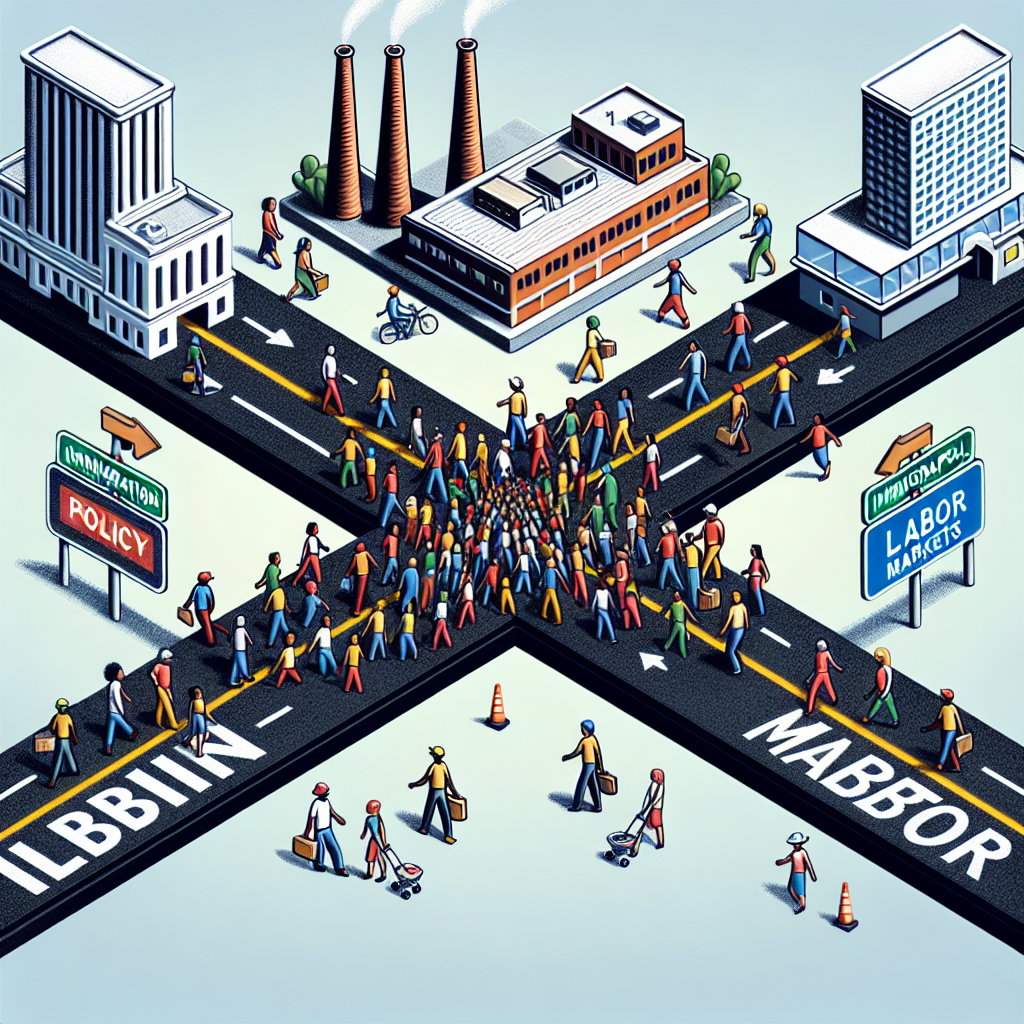
The Intersection of Immigration Policy and Labor Markets
Immigration policy and labor markets are critical components of a nation’s economy, intertwined in ways that significantly impact both economic performance and the lives of individuals crossing borders. As we progress into 2025, the conversations surrounding these two areas have grown increasingly complex, especially in light of recent global events and changing attitudes towards immigration in various countries. Understanding the intersection of immigration policy and labor markets is vital for grasping the broader implications for economic growth, workforce diversity, and societal cohesion.
The Evolving Immigration Policies in 2025
In 2025, immigration policies are being shaped by a myriad of factors, including geopolitical tensions, economic needs, and humanitarian considerations. The effects of the COVID-19 pandemic continue to resonate, resulting in many countries revamping their immigration policies to better manage public health, labor shortages, and economic recovery. For instance, the U.S. is emphasizing programs designed to attract skilled workers in sectors vital for the economy, such as healthcare, technology, and renewable energy. In parallel, countries in Europe are re-evaluating their immigration frameworks to address declining birth rates and aging populations, seeking to fill gaps in their labor markets by welcoming migrants who can contribute to economic growth.
Moreover, national security concerns have led many governments to introduce more stringent vetting processes for immigrants. The balancing act between welcoming foreign talent and safeguarding national interests remains a contentious issue, with some political factions advocating for more restrictive measures while others push for reforms that facilitate smoother integration. As we witness these policy shifts, it is crucial to consider how they affect labor market dynamics, including wage levels, employment rates, and workforce diversity.
The Role of Immigrants in Labor Markets
Immigrants play an essential role in labor markets across the globe, often filling critical gaps that local labor forces cannot address. In 2025, sectors such as technology, healthcare, construction, and agriculture heavily rely on immigrant labor. According to recent studies, immigrants make up a significant percentage of workers in these sectors, helping to maintain productivity and innovation. Their contributions are particularly evident in industries experiencing acute labor shortages, where finding qualified workers through domestic labor pools has become increasingly challenging.
Additionally, immigrants tend to exhibit higher rates of entrepreneurship compared to native-born citizens. In many economies, immigrant entrepreneurs are instrumental in job creation, introducing new products and services that stimulate local economies. In the U.S., for instance, immigrant-owned businesses account for a considerable share of economic activity. This entrepreneurial spirit bolsters competition and can lead to increased wages and opportunities for all workers, further bridging the gap between immigration policy and labor market needs.
The Economic Implications of Immigration Policy
The relationship between immigration policy and labor markets has profound economic implications, affecting everything from wage levels to overall economic growth. Lowering barriers for skilled and unskilled immigrants can lead to a more flexible labor market, which can enhance productivity and drive innovation. In 2025, we observe that countries that have adopted more open immigration policies are generally experiencing more robust economic growth than those maintaining strict controls. For example, Germany has successfully integrated a large number of refugees and asylum seekers into its workforce, diversifying its economy and boosting consumer demand.
Conversely, restrictive immigration policies can lead to labor shortages, increased wage inflation, and hindered economic development. In the U.S., ongoing debates regarding immigration reform illustrate the tension between protecting native workers and recognizing the necessity of immigrant labor in various sectors. Economists argue that a balanced approach—one that protects workers while acknowledging the invaluable contributions of immigrants to labor markets—can facilitate sustainable economic growth and stability.
Furthermore, the economic integration of immigrants is closely tied to their ability to assimilate into the workforce. Access to education and training opportunities is essential for immigrants to adapt to the demands of their new labor markets. Initiatives that promote skill development can lead to higher wages for immigrants, which, in turn, benefits local economies. The focus on integrating immigrants into the labor market in a way that acknowledges their skills and potential is crucial for fostering economic resilience in the face of global challenges.
The Social Dimensions of Immigration and Labor Dynamics
The interplay between immigration policy and labor markets does not solely focus on economic metrics; it also delves deep into social dimensions, including integration, community cohesion, and public sentiment. As immigration policies evolve, the experiences of immigrants—both positive and negative—shape public perceptions and attitudes towards immigration. In 2025, we see a spectrum of responses from various communities influenced by the demographic changes brought about by immigration.
Social acceptance and cohesive integration are vital for ensuring that labor market contributions are maximized. Countries that actively promote diversity and inclusion benefit from improved social cohesion, which leads to positive economic outcomes. Integrating immigrants into the community through education, social services, and cultural exchange programs can foster understanding and mitigate xenophobia and discrimination. As communities grow more diverse, collaborative efforts between local governments, businesses, and immigrant organizations are essential to build productive social fabric.
On the flip side, episodes of economic downturn often give rise to nativist sentiments, leading to restrictive immigration policies that can further isolate immigrant communities. In 2025, we observe how economic pressures, such as those from inflation and job market volatility, can paradoxically pit native citizens against immigrant populations, limiting opportunities and effectively creating a divide. Facilitating dialogue about the benefits of immigration can promote understanding and collaboration, ensuring that labor markets remain resilient and inclusive.
The Future of Immigration Policy and Labor Markets
As we look towards the future, the trajectory of immigration policy and labor market dynamics will undoubtedly be influenced by technological advancements, changes in global economic conditions, and evolving societal values. The rise of remote work, for example, challenges traditional notions of labor mobility and how immigrants fit into local economies. Companies increasingly have the ability to tap into global talent pools without requiring workers to relocate, prompting policymakers to consider new frameworks that accommodate this shift.
Moreover, addressing the skills gap through targeted immigration policies becomes critical in a rapidly changing job market driven by automation and artificial intelligence. Policymakers are tasked with devising strategies that not only attract skilled immigrants but also facilitate continuous education and training to keep the workforce adaptable. In this context, partnerships between educational institutions and industries can prove pivotal in aligning skills with future labor needs, effectively shaping the immigration narrative as one that is proactive rather than reactive.
As global challenges like climate change and economic inequality gain traction, immigration policies may increasingly reflect these realities. Nations might prioritize attracting migrants who can aid in sustainable development initiatives or contribute to economic resilience. The intersection of immigration policy and labor markets in this scenario becomes a pressing topic in fostering adaptable communities, responding to environmental crises, and securing equitable opportunities for all.
Conclusion
The intersection of immigration policy and labor markets is a multifaceted arena, continuously evolving as societies face new economic realities and cultural shifts. In 2025, understanding this dynamic is crucial for policymakers, businesses, and communities alike. The role of immigrants in enhancing productivity, entrepreneurship, and economic diversity cannot be overstated. As nations navigate the complexities of immigration reforms, fostering an inclusive labor market while supporting social cohesion is paramount. Balancing economic needs with humanitarian values will dictate the future landscape of labor markets, ensuring that both immigrants and native workers can thrive together.
FAQs
1. How do immigration policies affect local labor markets?
Immigration policies can either expand or contract labor supply in local markets. More inclusive policies can fill labor gaps, support economic growth, and enhance innovation, while restrictive policies may lead to labor shortages and wage inflation.
2. What sectors rely most on immigrant labor?
Sectors such as healthcare, technology, construction, and agriculture are particularly reliant on immigrant labor, often addressing labor shortages where local workers are insufficient.
3. How do immigrants contribute to economic growth?
Immigrants contribute to economic growth by filling essential roles, starting businesses, and bringing diverse perspectives that foster innovation and competitiveness within the labor market.
4. What are future trends in immigration policy?
Future trends may focus on attracting talent for emerging industries, adapting to remote work cultures, and prioritizing sustainable demographic changes in light of environmental and economic challenges.
5. What role does social acceptance play in the integration of immigrants?
Social acceptance is crucial for the successful integration of immigrants into labor markets, fostering community cohesion, reducing discrimination, and enabling economic contributions that benefit wider society.