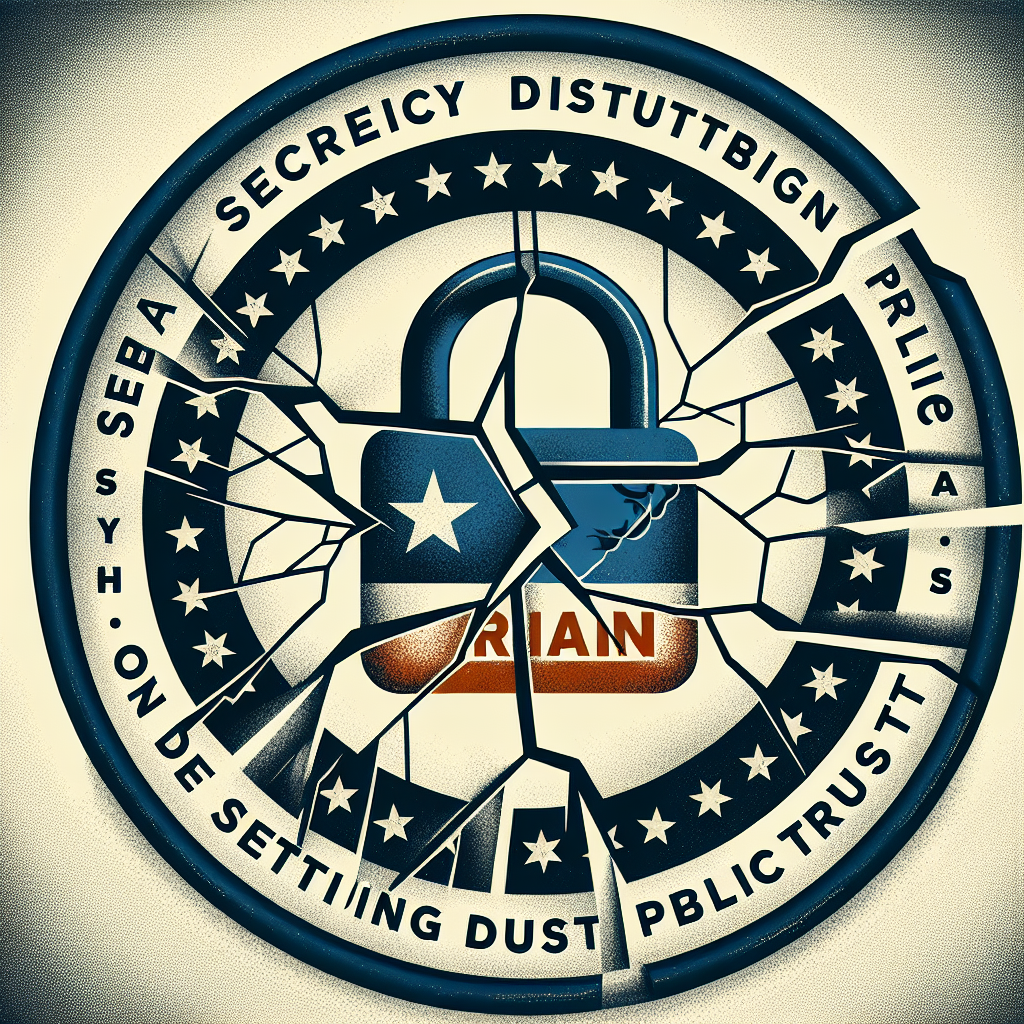
The Iran-Contra Affair: How Secrecy Breached Public Trust
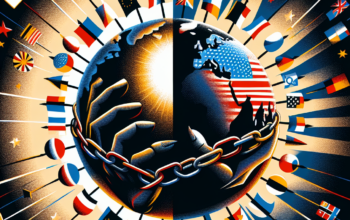
The Iran-Contra Affair stands as one of the most complex and controversial political scandals in American history. It not only involved illicit arms deals between the U.S. and Iran but also the covert funding of Nicaraguan Contra rebels by diverting these profits. This scandal highlighted a significant breach of public trust, revealing how government secrecy can undermine the core democratic principles of transparency and accountability. In this article, we will delve into the intricacies of the Iran-Contra Affair, examining its historical context, the actors involved, the resulting fallout, and its enduring implications for public trust in government.
Understanding the Genesis of the Iran-Contra Affair
The Iran-Contra Affair’s roots trace back to the political turbulence of the 1980s, particularly the escalating tensions between the United States and Iran following the 1979 Iranian Revolution. In this context, the Reagan administration crafted a strategy that would later become controversial: They sought to negotiate with Iran, despite it being labeled a state sponsor of terrorism. The rationale was multifaceted—aiming to secure the release of American hostages held by Hezbollah in Lebanon and potentially improve relations with Iran. However, this strategy rapidly morphed into clandestine arms dealings, highlighting an operational shift from formal diplomacy to underhanded transactions.
Simultaneously, the U.S. faced a complex conflict in Nicaragua, where the Sandinista government was perceived as a communist threat to U.S. interests in Central America. Congress had enacted the Boland Amendment, which legally prohibited further assistance to the Contras, a rebel group fighting to overthrow the Sandinistas. Undeterred, members of the Reagan administration devised a plan to bypass these restrictions. They would use the proceeds from selling arms to Iran to fund the Contras, presenting a troubling example of how a government might exploit legal and ethical boundaries to achieve its objectives.
The Key Players in the Iran-Contra Scandal
Central to the Iran-Contra Affair were several critical figures within the Reagan administration. National Security Council member Oliver North emerged as a key player, orchestrating the intricate web of arms sales and Contra funding under the guise of national security. His military background and dedication to the Reagan Doctrine made him a pivotal actor, though he would later become a symbol of the scandal itself. North’s actions, while aimed at protecting U.S. interests, led to severe scrutiny and allegations of violating both U.S. law and ethical governance.
Other notable figures included then-National Security Advisor John Poindexter and Secretary of Defense Caspar Weinberger, who participated in the decision-making process that allowed the scandal to unfold. While the administration initially attempted to deflect blame, the investigation led by the Tower Commission and later by independent counsel Lawrence Walsh unveiled the extensive coordination and cover-up efforts that characterized the affair. Their revelations brought to light the dangerous implications of unchecked executive power, exacerbated by the increasing secrecy surrounding governmental actions.
The Escalation of Secrecy and the Breakdown of Accountability
As the Iran-Contra Affair unfolded, the explicit use of government secrecy became a focal point of both the internal discussions and later congressional investigations. The administration justified their actions as necessary measures to protect national security, attempting to obscure the truth from Congress and the general public. However, this culture of secrecy continued to erode the foundational principle of accountability in government, establishing a precedent that could be exploited by future administrations. The willingness to operate outside the law raised critical questions about the ethical boundaries of statecraft.
The affair’s exposure in 1986 was a turning point, as initial revelations came to light through investigative journalism. A series of reports revealed not only the arms sales to Iran but also the illegal funding mechanisms that supplied the Contras. The ensuing public outrage catalyzed congressional hearings that would interrogate the actions of the administration, demonstrating how hidden agendas can lead to significant political backlash. The scandal ultimately captured national attention, unearthing the dissonance between public rhetoric and clandestine governmental operations.
Furthermore, the lack of direct accountability highlighted another troubling outcome of secrecy: the proliferation of a culture where whistleblowing became synonymous with treachery. Individuals within the intelligence community and the military faced immense pressure to conform to higher authorities, leading to complacency and complicity in illegal actions. This culture not only jeopardized ethical behavior but also instilled a profound distrust of government institutions among the public, with many questioning the integrity of those in power.
The Consequences: Public Trust and Political Fallout
As the investigations progressed, the ramifications of the Iran-Contra Affair extended far beyond individual culpability, significantly impacting public sentiment regarding government trust. The scandal revealed deep-seated flaws in the political system, showcasing how high-ranking officials could exploit their positions without accountability. The resulting discord led to a pervasive sense of betrayal among the American public, who felt that essential democratic principles had been violated. This erosion of trust has had lasting effects, fueling skepticism toward government operations that persist to this day.
The political fallout encompassed significant long-term consequences for the Reagan administration. Several officials were indicted, and convictions were handed down; however, many were later vacated or pardoned by President George H.W. Bush. This selective enforcement of accountability further diluted public trust, suggesting a disparity in the justice system where influential figures might evade significant penalties for their actions. The affair thus embedded a skepticism towards political leaders into the American consciousness, leading voters to question the motivations behind governmental policies and actions.
Furthermore, the ripple effects of the Iran-Contra Affair are still evident in contemporary political discourse. The scandal has become a cautionary tale regarding the dangers of unregulated power and the consequences of governmental secrecy. Future administrations have faced increased scrutiny and skepticism about their policies, propelled by the legacy of resulting crises and scandals. This enduring distrust fosters an environment where citizens demand greater transparency, participatory governance, and robust accountability mechanisms among elected officials.
The Iran-Contra Affair: Lessons Learned and Future Implications
In retrospect, the Iran-Contra Affair serves as an important historical lesson on the implications of secrecy in government operations. As we move forward in a digitally connected world in 2025, it is imperative to prioritize transparency and accountability within our political systems. The significance of this affair underscores the need for structured oversight and the establishment of checks and balances to prevent future abuses of power. The implications for policy-making and executive actions are profound; they expose how unchecked authority can lead to detrimental outcomes for democratic governance.
Moreover, as information disseminates at an unprecedented pace due to social media and other digital platforms, the legacy of the Iran-Contra Affair propels an ongoing dialogue about information integrity, ethical governance, and citizen engagement. The affair serves to remind us that fostering an involved and informed electorate is crucial to supporting a healthy, functioning democracy. Continuous pressure from citizens demanding transparency and accountability contributes to ensuring that the lessons of the Iran-Contra scandal remain embedded in our collective consciousness.
The importance of whistleblowing as a tool for accountability in government practices has also become more prominent in light of these historical events. Modern legal protections for whistleblowers must be reinforced to safeguard those who may witness unethical behavior from the powerful, creating a culture where truth can flourish even within hierarchies that resist it. As we adapt to the complexities of governance in our time, the narrative of the Iran-Contra Affair must drive home the principle that democratic ideals must always be safeguarded through vigilance and active participation.
Conclusion
The Iran-Contra Affair intricately weaves a narrative of governmental betrayal, secrecy, and the deep erosion of public trust. Rooted in the geopolitical tensions of the 1980s, this scandal serves as a case study of how unchecked power, combined with a culture of secrecy, can lead to abuses that compromise democratic integrity. Its consequences resonate today, prompting ongoing discussions about accountability, the expectations of transparency in governance, and the collective responsibility of citizens in holding their leaders to account. Ultimately, the lessons learned from this affair continue to shape the expectations of ethical governance in 2025 and beyond.
FAQs Section
What were the main events of the Iran-Contra Affair?
The key events of the Iran-Contra Affair include the secret sale of arms to Iran, used to negotiate the release of hostages held by Hezbollah, and the subsequent redirection of funds to support the Nicaraguan Contras after Congress had prohibited this assistance. The scandal came to light through investigative journalism in 1986.
Who was responsible for the actions taken during the scandal?
Responsibility for the actions taken during the Iran-Contra Affair primarily lies with high-ranking members of the Reagan administration, notably Oliver North, John Poindexter, and Caspar Weinberger. Their involvement in orchestrating the arms deals and funding bypassed legal restrictions, highlighting severe ethical breaches.
What were the consequences of the Iran-Contra Affair?
The consequences of the Iran-Contra Affair included significant political fallout for the Reagan administration, where several officials faced indictment and convictions. Additionally, it resulted in a pervasive distrust among the American public towards government institutions, leading to lasting implications for transparency and accountability in political discourse.