The Politics of Housing: Addressing the Crisis in UK Urban Areas

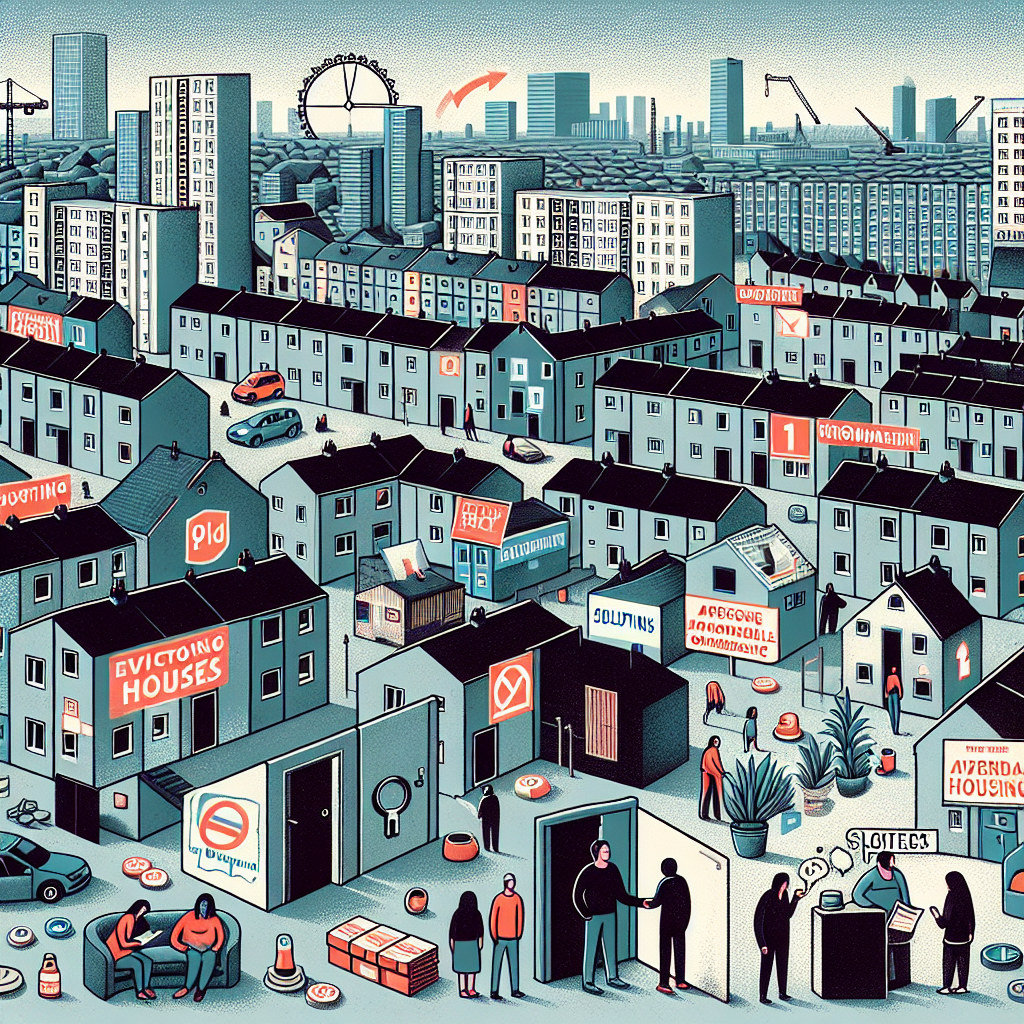
The Politics of Housing: Addressing the Crisis in UK Urban Areas
The pressing issue of housing in urban areas of the UK has gained significant political attention in recent years. With skyrocketing prices and an acute shortage of affordable homes, the crisis has reached alarming levels, significantly impacting communities and social stability. As we progress through 2025, understanding the politics of housing becomes essential for addressing this multifaceted dilemma. It encompasses various factors, including government policies, market forces, and societal needs. In this article, we will delve into the dynamics of housing politics in urban UK, explore the implications of current crises, and evaluate potential solutions.
The Current Landscape of the UK Housing Crisis
As of 2025, the UK housing crisis is characterized by a profound imbalance between demand and supply, particularly in urban centers. Despite government pledges to tackle this issue, the reality paints a different picture. Reports indicate that housing prices in major cities like London, Manchester, and Birmingham have surged dramatically over the last few years, making homeownership an unattainable dream for many residents. The combination of rising interest rates and limited housing stock has resulted in increased competition for available properties, further exacerbating the crisis.
Compounding the challenge is the complex bureaucracy surrounding planning and development. Urban areas have encountered significant roadblocks in the form of planning regulations and community opposition, often referred to as “NIMBYism” (Not In My Back Yard). While these regulations are designed to protect local interests, they sometimes hinder the construction of much-needed housing developments. As a result, urban areas are not only struggling with a lack of homes but also with a growing population in need of shelter, leading to heightened social tensions.
Government Policies and Their Impact on Housing
The UK government has implemented several housing policies aimed at alleviating the crisis, yet their effectiveness remains a matter of debate. Initiatives such as Help to Buy and the Affordable Homes Programme have been introduced to facilitate homeownership and increase the stock of affordable housing. However, critics argue that these measures primarily benefit middle-class buyers and do not adequately address the needs of low-income families, who are disproportionately affected by the crisis. As of 2025, a call for more comprehensive policy reforms is resonating throughout the country.
Moreover, the impact of the pandemic on housing strategies cannot be overlooked. As urban areas transitioned to hybrid work models, demand for housing patterns shifted, with more people seeking properties in suburban locations. Government policies need to adapt to reflect these changing demands. Enhanced investment in infrastructure and public transport in suburban areas could alleviate pressures in city centers, ensuring that new developments cater to evolving housing needs.
Community Perspectives on Housing Solutions
Community engagement plays a crucial role in shaping effective housing policies. Local residents often possess insights into their neighborhoods that policymakers and developers might overlook. Community-led housing initiatives, such as cooperative housing models and self-build schemes, have emerged as viable alternatives to traditional development methods. These initiatives promote affordability and sustainability, ensuring that projects reflect the needs and desires of those who will inhabit them.
However, community perspectives are often mismatched with government agendas. Engaging with communities in the planning phases can build trust and facilitate smoother project approvals. Local government bodies are encouraged to adopt participatory approaches, fostering dialogues between residents and developers. The challenge lies in balancing community interests with the pressing need for more housing, but successful collaboration has the potential to yield innovative solutions tailored to local contexts.
Collaborations between local councils, housing associations, and non-profit organizations also prove essential. By pooling resources and expertise, these partnerships can develop community-oriented housing project proposals, attracting investment and prioritizing inclusivity. As urban populations grow, it becomes increasingly clear that tackling housing issues through a collaborative lens is vital for sustainable urban development.
The Role of the Private Sector in the Housing Market
The private sector significantly influences the housing market in urban areas, often driving prices and accessibility. Property developers are pivotal in addressing the housing crisis, particularly through large-scale developments. However, the profit motive frequently leads to the prioritization of high-end housing projects, neglecting the needs of lower-income households. As of 2025, there’s a pressing need for policies that incentivize developers to include affordable housing units in their projects.
One approach to promoting affordable housing within the private sector is implementing inclusionary zoning. This policy requires developers to allocate a portion of new projects for affordable units, providing a pathway for lower-income families to secure housing in otherwise unaffordable neighborhoods. Such regulations have been successfully employed in various cities worldwide and could be adapted to suit the UK context.
Additionally, the rise of proptech companies has begun to reshape the housing landscape, introducing innovative solutions such as fractional ownership and co-living spaces. These alternatives can create more financially accessible opportunities for prospective homeowners and renters. As technology continues to advance, the housing market’s adaptation to emerging trends can present fresh avenues for addressing the current crisis.
The Future of Housing Politics: Trends and Outlook
Looking ahead, the future of housing politics in urban UK will likely lean toward sustainability and resilience. As climate change repercussions become more pressing, housing policies must integrate environmentally friendly practices. Sustainable building materials, energy-efficient designs, and eco-friendly infrastructure will increasingly be prioritized in urban development projects. By making housing both affordable and sustainable, the urban fabric of the UK can adapt to future challenges, ensuring communities are resilient to climate impacts.
The ongoing evolution towards smart cities also shapes the future of urban housing. By harnessing technology, cities can collect data to monitor trends, streamline planning processes, and enhance the overall living experience for residents. One innovative approach is implementing smart housing solutions that promote energy efficiency and lower living costs. Integrating these technologies into new developments could significantly enhance urban living and contribute to alleviating the housing crisis.
Furthermore, political will at all levels is essential for enacting meaningful change. As public awareness of the housing crisis continues to grow, voters are likely to demand accountability from their representatives. Political parties will need to prioritize housing in their agendas, fostering bipartisan efforts to draft and implement effective solutions. Engaging with communities and stakeholders to build a consensus on the way forward could be the key to unlocking progress in addressing the crisis.
Conclusion
In conclusion, addressing the housing crisis in UK urban areas necessitates a multifaceted approach that balances government policy, community input, private sector involvement, and innovative solutions. The construction of affordable housing, the empowerment of local communities, and the integration of sustainable practices are critical pathways toward resolution. With the right vision and collaboration among all stakeholders, it is plausible to transform the landscape of UK urban housing for current and future generations.
FAQs
What are the primary causes of the housing crisis in the UK?
The primary causes include a significant imbalance between housing supply and demand, rising property prices, restrictive planning regulations, and a lack of affordable housing options for low-income families.
How has the pandemic affected housing demand?
The pandemic has shifted housing demand patterns, with many people seeking properties in suburban areas due to remote working arrangements, leading to increased demand outside urban centers.
What role does the government play in resolving the housing crisis?
The government plays a crucial role by implementing housing policies, providing funding for affordable housing, and creating regulations that encourage sustainable urban development and community engagement.