The Power of Protest: Movements that Changed Politics
Introduction
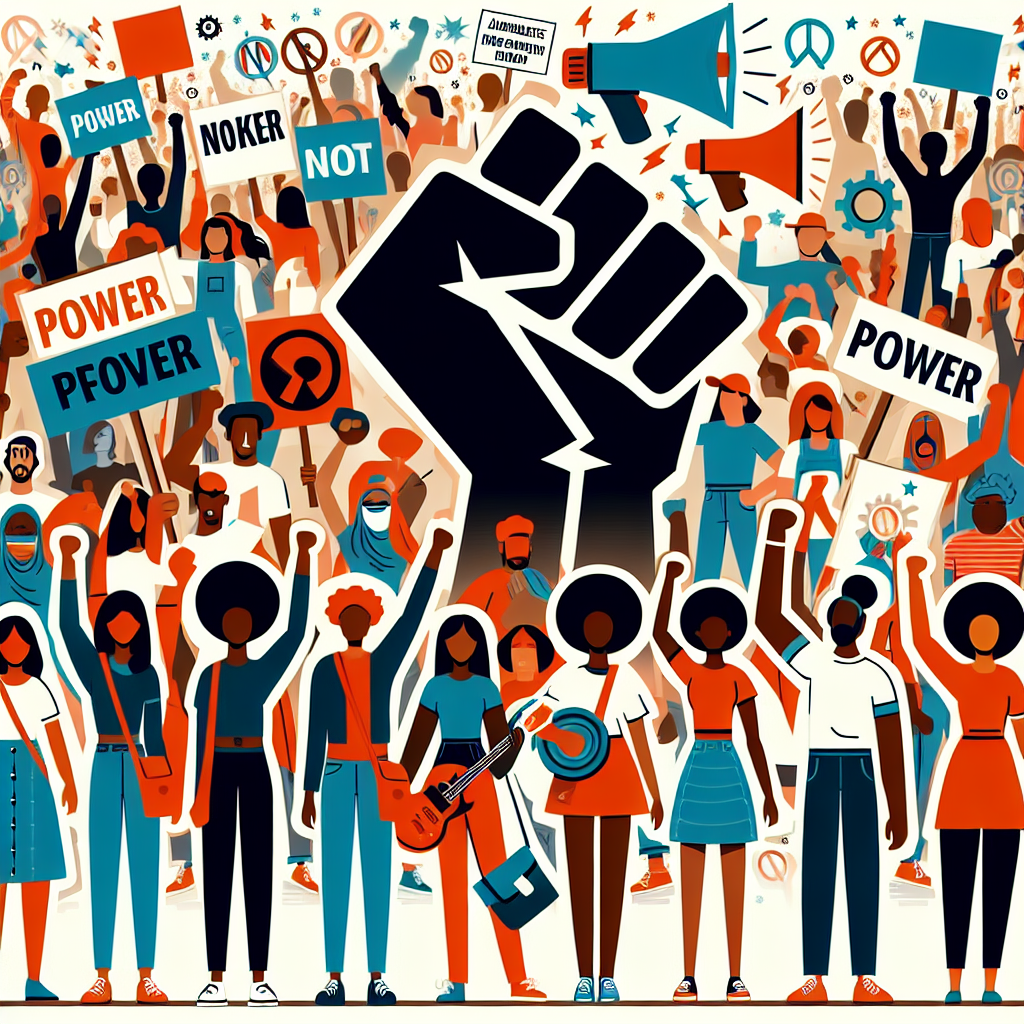
Protests have long served as catalysts for change, uniting individuals in a common purpose to challenge oppressive systems and demand justice. The power of protest is undeniable; it has shaped our political landscape in profound ways, influencing laws, societal norms, and global perspectives. From the American Civil Rights Movement to contemporary climate actions, various movements have drastically changed the realms of politics both nationally and globally. This article delves into the significant protests that have altered political trajectories, showcasing the enduring power of citizens’ voices in shaping democracy and justice.
The American Civil Rights Movement: A Beacon of Change
The American Civil Rights Movement of the 1950s and 1960s is one of the most notable examples of how organized protests can drive fundamental political change. Spearheaded by iconic figures such as Martin Luther King Jr. and Rosa Parks, the movement aimed to dismantle institutionalized racial segregation and discrimination in the United States. Events like the Montgomery Bus Boycott and the March on Washington not only galvanized African Americans but also attracted national attention and support from various ethnic and social groups. The collective efforts resulted in landmark legislation, such as the Civil Rights Act of 1964 and the Voting Rights Act of 1965, fundamentally reshaping the fabric of American society.
The American Civil Rights Movement’s legacy continues to inspire activism globally, as it illustrates the impact of nonviolent protests. The power of protest mobilized people from diverse backgrounds, showcasing the strength of unity in the face of adversity. It emphasized that political change is possible through persistent collective action, urging future generations to harness the power of their voices to challenge injustice and inequality.
The Fall of the Berlin Wall: A Symbol of Freedom
The fall of the Berlin Wall in 1989 is often heralded as a pivotal moment in the struggle for political freedom and human rights. As East Germans participated in massive protests, the movement symbolized their collective demand for an end to decades of separation and oppression under communist rule. The peaceful demonstrations erupted in cities across East Germany, marked by chants for freedom and unity. As pressure mounted, authorities could no longer suppress the voices of the people, leading to the eventual dismantling of the Wall.
This significant event not only reunited families and friends but also ushered in significant political reform in Germany and the broader Eastern Bloc. The fall of the Berlin Wall served as a powerful reminder of how popular protests can dismantle oppressive regimes and bring about democratic transformations. The movement resonated globally, inspiring people under authoritarian regimes to rise up for their rights and liberties, ultimately reshaping global politics in the late 20th century.
Modern Climate Movements: A Call for Urgent Action
In the 21st century, the urgency of climate change has led to the rise of powerful protest movements such as Fridays for Future and Extinction Rebellion. Spearheaded by figures like Greta Thunberg, these movements have emphasized the need for immediate political action to address the climate crisis, which poses existential threats to humanity. Organizing strikes, sit-ins, and public demonstrations, climate activists have successfully captured the attention of global leaders, urging them to reconsider policies that contribute to environmental degradation.
The growing mobilization around climate issues illustrates the effectiveness of protests in shaping political discourses and influencing policy-making. Many governments have been forced to respond, with countries declaring climate emergencies or committing to more ambitious climate targets in light of public pressure. Moreover, these movements have fostered a sense of global solidarity, reminding individuals that collective action can transcend borders and bring attention to critical issues that affect all humankind.
The strength of modern climate movements lies not only in their ability to provoke government response but also in their capacity to inspire cultural shifts towards sustainability. By galvanizing support across generations, they have changed the way society perceives environmental sustainability, urging individuals, corporations, and institutions alike to prioritize responsible practices and policies that safeguard the planet for future generations.
The LGBTQ+ Rights Movement: Breaking Boundaries
The LGBTQ+ rights movement has transformed politics and societal attitudes toward sexual orientation and gender identity over several decades. Protests have played a crucial role in advocating for recognition, rights, and acceptance for LGBTQ+ individuals. Significant events, including the Stonewall Riots of 1969, catalyzed activism, leading to the formation of numerous organizations dedicated to fighting for equality and dignity.
The past few years have seen significant achievements in LGBTQ+ rights, notably the legalization of same-sex marriage in many countries, including the United States in 2015. This monumental change was fueled by countless protests and advocacy efforts that highlighted the struggles and injustices faced by the LGBTQ+ community. The movement has effectively transformed public perceptions and pushed for comprehensive anti-discrimination legislation, showcasing how grassroots activism can lead to sweeping legislative changes.
However, challenges remain, particularly regarding the rights of transgender individuals and LGBTQ+ communities in less accepting countries. Ongoing protests continue to draw attention to these issues, emphasizing the necessity for continued activism in the fight against discrimination, violence, and inequality. The LGBTQ+ rights movement reminds us that the power of protest can create significant societal changes, furthering the ideals of freedom and equality for all.
The Me Too Movement: A Revolution in Sexual Assault Awareness
The Me Too movement, which gained traction in the late 2010s, represents a seminal moment in the fight against sexual violence and harassment. Triggered by the revelations of numerous high-profile figures accused of abuse, the movement mobilized individuals worldwide to come forward with their experiences, simultaneously highlighting the pervasiveness of sexual misconduct in various spheres, including workplaces, entertainment, and politics. The grassroots campaign encouraged individuals to share their stories, amplifying a collective voice that demanded justice and accountability.
Through social media, the Me Too movement successfully raised awareness about sexual harassment and assault, leading to significant political and cultural repercussions. It prompted government bodies and organizations to review and revise policies related to workplace harassment, empowering victims to speak out and seek justice without fear of repercussion. Legislative initiatives emerged, targeting the legal systems that inadequately addressed sexual violence, illustrating the transformative power of grassroots activism to effect change.
As nonviolent protests and social media campaigns continue to spark conversations on sexual violence, the Me Too movement has ignited a global demand for cultural change. A society that supports survivors and holds perpetrators accountable is slowly being forged, underscoring how the power of protest can yield substantial shifts in societal norms and expectations.
Conclusion
Protests have played a significant role throughout history, serving as powerful tools for citizens to challenge injustices and drive political change. Movements like the American Civil Rights Movement, the fall of the Berlin Wall, contemporary climate activism, the LGBTQ+ rights movement, and the Me Too movement exemplify how collective action can reshape political landscapes and promote social justice. These movements underscore the importance of unity and determination in the face of adversity and highlight the potential for grassroots activism to instigate meaningful change. As we move forward, it is clear that the power of protest will continue to be a vital force in addressing the pressing issues that our world faces today.
FAQs
What are some recent examples of protests that have changed political dynamics?
Recent examples include the Global Climate Strike led by youth activists, which pressured governments to adopt more ambitious climate policies, and the Black Lives Matter movement that has sparked worldwide discussions on racial injustice and police reform.
How do protests lead to actual political change?
Protests draw public attention to specific issues, holding politicians accountable and generating media coverage that can compel policymakers to take action. They can mobilize public support and influence elections and legislative agendas.
Are protests effective in fostering social change?
Yes, protests can significantly influence societal norms and cultural attitudes. By raising awareness and educating the public about injustices, movements can foster lasting changes that extend beyond immediate political outcomes.