The Power of Youth in Shaping Political Landscapes

The Power of Youth in Shaping Political Landscapes
The youth of today are defining the political landscapes of tomorrow. In 2025, young people hold unprecedented access to information, innovative communication technologies, and a strong sense of social responsibility, making their voices crucial in shaping political narratives. This article explores the multifaceted power of youth in influencing political outcomes, engaging with political processes, and driving meaningful change in society. Through various movements, activism, and digital engagement, the potential of youth to reshape political landscapes is more pronounced than ever.
Youth Engagement in Political Movements
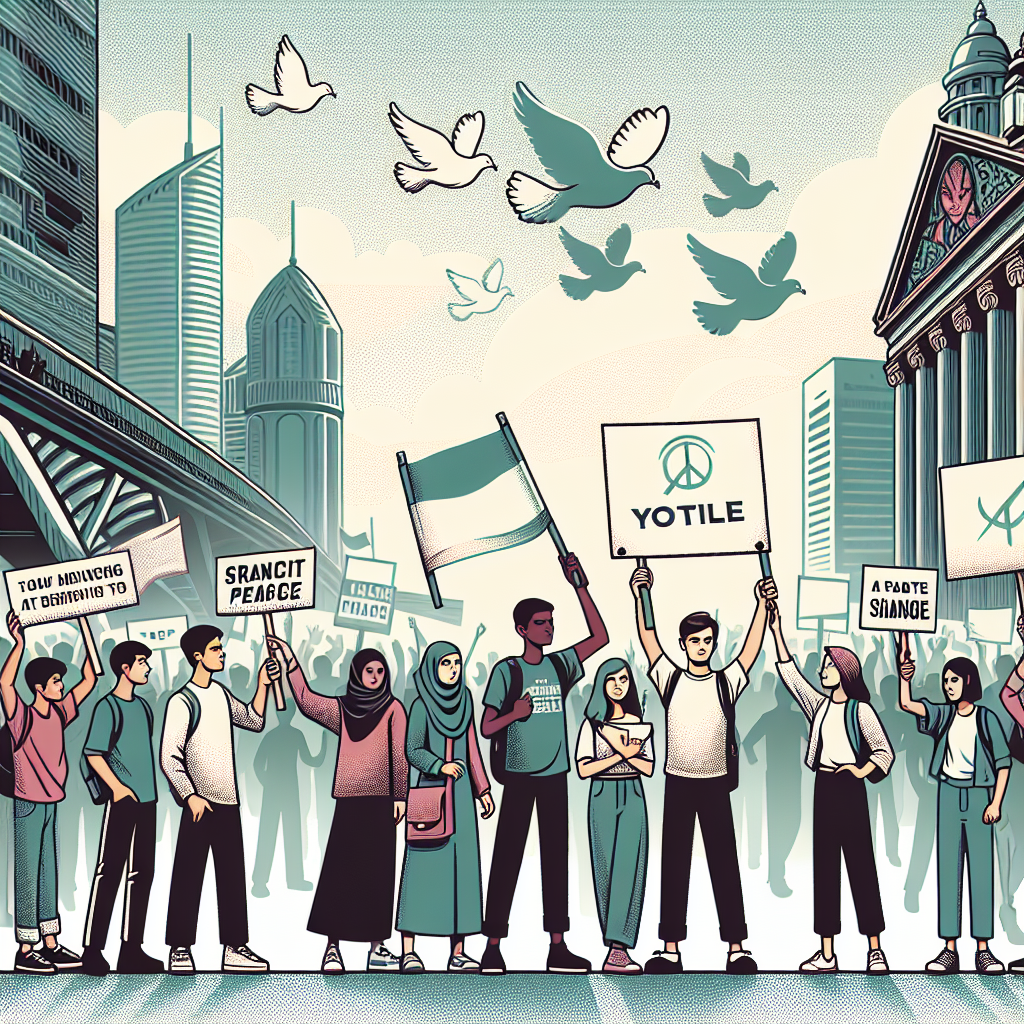
Youth engagement in political movements has reached new heights in 2025 as young individuals increasingly take a stand on pressing issues such as climate change, equality, and social justice. Across the globe, we witness a surge of youth-led movements that utilize social media platforms to mobilize supporters, organize protests, and raise awareness. The digitalization of activism has enabled young people to transcend geographical barriers and connect with like-minded individuals who share their concerns. For instance, social media campaigns like #FridaysforFuture, which began as a call for action on climate change, have transformed into large-scale global events led predominantly by youth.
Moreover, young activists are not just reacting to issues; they are demanding structural changes in how political, economic, and social systems operate. Their ability to articulate grievances in relatable ways and harness the power of narratives resonates deeply with broader audiences. Global figures like Greta Thunberg have become symbols of this movement, legitimizing the youth’s role in political discourse and pushing policymakers to take youth concerns seriously. As a result, youth activism is no longer considered marginal; it has emerged as a vital force that compels governments to address the demands of younger generations.
The Role of Technology in Youth Politics
Technology has dramatically transformed the political landscape, and youth are at the forefront of this revolution as digital natives in 2025. The ubiquity of smartphones and the internet provides young people with powerful tools for mobilization and advocacy. Platforms such as TikTok, Instagram, and Twitter are not merely social media sites; they are now essential for disseminating political messages, highlighting injustices, and galvanizing public opinion. Young people are creatively using these platforms to make complex political issues relatable and engaging, employing humor, art, and storytelling techniques to draw attention to their causes.
Additionally, technology facilitates grassroots organizing through initiatives like crowdfunding and online petitions. The ability to easily share information accelerates the speed at which movements can grow, diversify, and cross borders. Crowdsourced funding for campaigns or initiatives allows young activists to bypass traditional funding sources that might impose limitations on their missions. This kind of empowerment allows youth to bring about change on their terms while challenging entrenched political systems that have long favored established players over innovative newcomers.
The Influence of Youth on Political Decision-Making
Political leaders increasingly recognize the influence of youth in shaping policy and decision-making. In 2025, many political parties are actively engaging with young voters, acknowledging their crucial role in crafting electoral outcomes. Leaders are reformulating their platforms to address the issues that matter to younger generations, from affordable education and housing to environmental sustainability and social equity. Political campaigns now prioritize outreach to youth, employing strategies tailored specifically to resonate with this demographic and invest in the future generations.
Moreover, initiatives such as youth advisory councils are being established within various governments to facilitate direct engagement and communication between young people and policymakers. This approach allows for increased representation of youth perspectives in political discussions, thereby fostering a sense of ownership and accountability among young constituents. As youth demand transparency and authenticity from their leaders, they are reinterpreting traditional political structures to create spaces that encourage dialogue and co-creation of policies aimed at addressing contemporary challenges.
Challenges Faced by Youth in Politics
Despite their growing influence, young people face significant challenges in the political arena. One of the main obstacles is the generational divide that often exists within political institutions, which can dismiss the concerns of younger generations as naïve or ungrounded. Many young activists encounter pushback when advocating for progressive changes, with established political figures resisting the overhaul of decades-old practices. This can be demoralizing for the youth; however, it also serves as fuel for their determination to challenge the status quo.
Another challenge is the pervasive misinformation that often targets youth populations, particularly through social media. Young voters must navigate a complex landscape where exaggerations, conspiracies, and outright falsehoods can distort their understanding of the political environment. Combating these misinformation tactics requires not only personal critical engagement but also a collective effort to promote media literacy and encourage informed citizenship. Organizations dedicated to empowering youth to engage critically with information are becoming vital resources in fostering a politically informed youth.
Global Perspectives on Youth Political Involvement
Youth political involvement is not limited to any one country; it is a global phenomenon impacting societies in various ways across cultures and political systems. In regions experiencing political instability, such as parts of the Middle East and Africa, young people are often leading the charge for democracy and reform. In 2025, youth-led initiatives in these regions demonstrate resilience as they push for greater representation and fundamental human rights, often at great personal risk. Young leaders articulate their visions for their countries through peaceful protests and innovative strategies, inspiring similar movements worldwide.
Conversely, in democratically stable nations, youth are advocating for progressive policies often focusing on transformative issues such as climate justice, racial equality, and economic reform. Movements like the Black Lives Matter have gained momentum among youth, expanding discussions around systemic injustice and pushing leaders to enact meaningful change. More than just responding to current issues, young people are envisioning inclusive and equitable futures, often requiring significant shifts in mainstream political discourse. They are catalyzing conversations that transcend borders, altering the traditional political playbook and redefining what political engagement looks like in the modern world.
Conclusion
In conclusion, the power of youth in shaping political landscapes is profound and multifaceted. Through technology, grassroots activism, and unique strategies, young people are engendering change that impacts global societies. The youth of 2025 are at the helm of movements advocating for accountability and transparency, fundamentally altering political narratives. Challenges remain, including institutional resistance and misinformation, but the determination of young leaders worldwide ensures that their influence will grow. As the world continues to evolve, the active participation of youth will remain essential in driving progressive change and fostering a political climate that genuinely reflects the voices of future generations.
FAQs
What role do social media play in youth political engagement?
Social media provides young people with platforms to organize, mobilize, and spread information rapidly. It fosters community building and amplifies youth voices, making political engagement more approachable and accessible.
How do youth-led movements impact policy changes?
Youth-led movements raise awareness, challenge traditional narratives, and mobilize public support. Their ability to articulate pressing issues can compel policymakers to reconsider their stances, often leading to significant policy changes that reflect youth priorities.
What challenges do Young Activists face?
Young activists often face skepticism from older generations, institutional barriers, and misinformation. Their calls for change can be met with resistance, but they continuously strive to overcome these challenges through persistent advocacy and coalition-building.