The Psychology Behind Political Activism: Why People Fight for Change
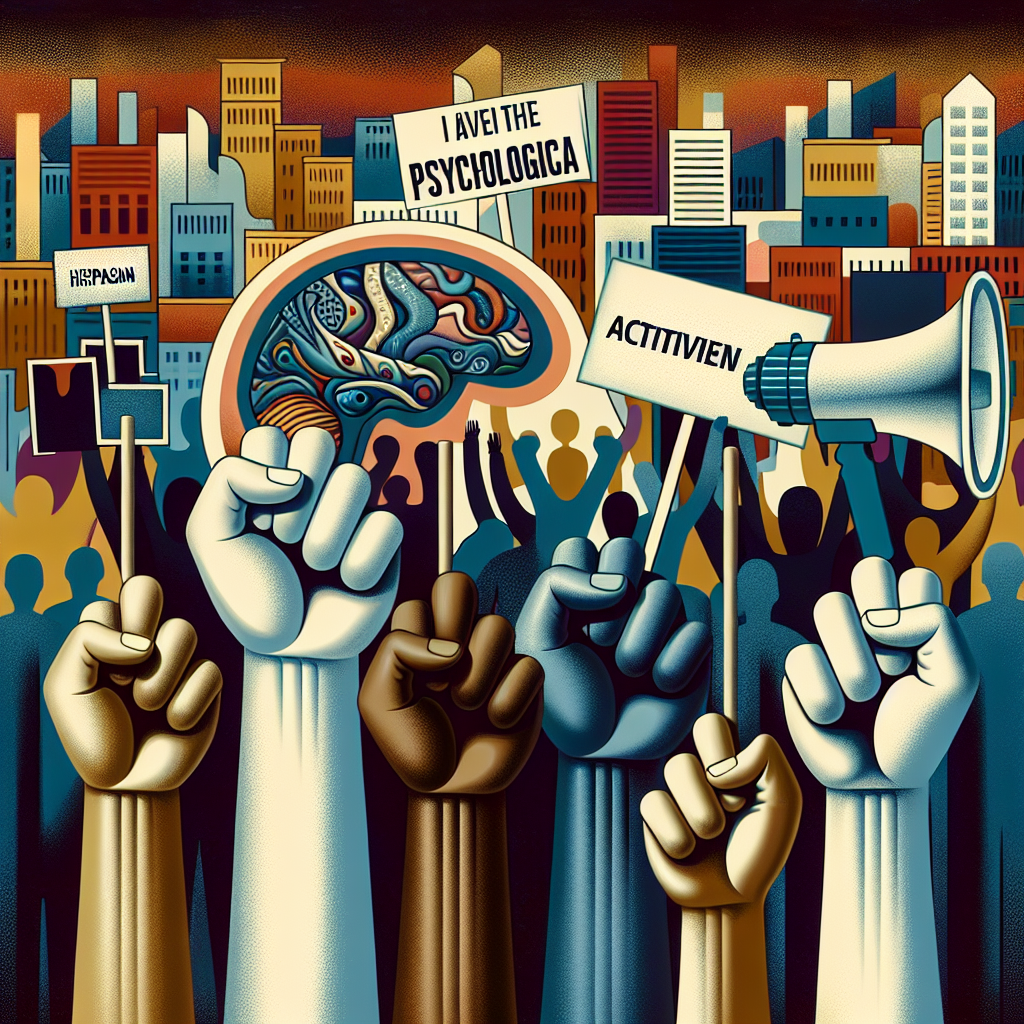
The Psychology Behind Political Activism: Why People Fight for Change
Political activism is an essential component of societal change, where individuals rally together to advocate for issues they believe in passionately. Understanding the psychology behind why people engage in activism can shed light on the powerful motivations that drive collective action in our increasingly interconnected world. In this article, we will explore various psychological theories, societal influences, personal experiences, and the role of social media in political activism, particularly as we move through 2025.
Understanding the Motivations for Political Activism
One of the primary psychological factors influencing political activism is the concept of collective identity. Individuals often connect their personal sense of self to a broader social group, such as an ethnic community, political faction, or a social movement. This collective identity fosters a sense of belonging, solidarity, and shared purpose. Activism becomes a means for these individuals to assert their identity and advocate for the rights and privileges of their group. Recent studies in 2025 show that individuals who strongly identify with a political movement are more likely to engage in activism, as they view it as a way of expressing their values and supporting their community.
Another crucial motivation is moral outrage. Many activists are spurred into action by feelings of injustice and a desire to fight against perceived wrongs in society. This sense of urgency can stem from personal experiences, cultural values, or significant events that highlight inequalities or injustices. The events surrounding global climate change and racial inequality, which have been at the forefront of activism in recent years, have fueled a sense of moral obligation among individuals to act. Research indicates that when people perceive an issue as morally compelling—especially one that directly affects their own community—they are more likely to mobilize and participate in political actions.
The Role of Emotional Engagement in Activism
Emotional engagement plays a critical role in motivating political activism. Psychologists emphasize the importance of emotions such as empathy, anger, and hope in driving individuals to take action. Empathy allows activists to connect deeply with the experiences of others, creating a sense of urgency to address issues affecting marginalized communities. In 2025, findings from various psychological studies illustrate that activists who experience high levels of empathy often become deeply involved in community organizing and advocacy efforts.
Additionally, the emotional responses to political events can significantly impact collective behavior. Events such as police violence, natural disasters attributed to climate change, or legislative attempts to suppress voter rights can stir intense feelings of anger among the populace. This anger often motivates individuals to participate in protests, campaigns, or other forms of activism. Conversely, hope is another powerful driver; when individuals see a possibility for change or the success of previous movements, it can inspire them to act. Activism, therefore, often involves a complex interplay of negative and positive emotions that propel individuals toward collective action.
The Influence of Social Context and Culture on Activism
Political activism does not occur in a vacuum; it is profoundly shaped by social context and cultural norms. Social movements are often a reflection of broader societal values, and individuals are influenced by their peers and community leaders. The concept of social proof suggests that when people observe others engaging in activism, they are more likely to participate themselves. This is particularly prevalent in 2025, where social movements have garnered significant attention and public support through visibility on social media platforms.
Cultural narratives also play a significant role in shaping activism. Stories of struggle and resilience can inspire people to come together for a common cause. These narratives are often passed down through generations, embedding a sense of historical significance and urgency to fight for change within cultural identity. Recent trends in activism show a resurgence of interest in grassroots movements that draw from historical contexts to empower contemporary struggles, particularly in marginalized communities. The use of cultural symbols and rituals can strengthen collective identity and encourage participation, ultimately leading to more impactful movements.
Moreover, societal factors such as socioeconomic status, education, and geographic location highly influence an individual’s likelihood to engage in activism. Lower socioeconomic individuals may participate in activism as a form of dissent against systemic inequalities that directly affect their livelihoods, reinforcing the link between personal experience and political engagement. As we advance into 2025, research indicates that education levels significantly impact political awareness, with higher education often correlating with increased activism.
Social Media’s Impact on Modern Political Activism
In 2025, the role of social media as a driving force in political activism cannot be overstated. Social platforms have transformed the landscape of activism, providing new channels for communication and organizing. Hashtags, viral posts, and online organizing tools enable individuals to mobilize quickly around pressing issues. The speed at which information spreads can ignite movements almost instantaneously, as seen in recent youth-led initiatives addressing climate change and social justice. Social media not only facilitates communication but also amplifies marginalized voices, allowing for a broader representation of issues that might otherwise be ignored by mainstream media.
However, social media’s influence on political activism also has its drawbacks, notably the phenomenon of slacktivism. While online engagement can raise awareness, it may not translate into real-world action. Research in 2025 highlights a growing concern that online activism might lead to a sense of complacency among users who mistakenly believe that by merely liking a post or sharing content, they’ve made a meaningful contribution. The challenge for activists is to convert online engagement into tangible actions, such as attending protests or volunteering for campaigns, ensuring that digital discussions lead to concrete change.
Moreover, social media platforms can serve as echo chambers where users are exposed primarily to information that aligns with their existing beliefs, potentially stifling constructive discourse. This polarization can make it challenging to foster inclusive movements that address a wide array of perspectives. Consequently, activists must navigate this complex environment while leveraging the advantages of digital tools to promote awareness and collective action.
Building Resilience and Sustainability in Activist Movements
The sustainability of activist movements is crucial for long-term change, and this involves fostering resilience among activists themselves. Emotional labor and burnout are significant challenges faced by activists, especially in the context of protracted struggles against systemic issues. As we approach the mid-2020s, there is a growing emphasis on the need for self-care and community care within activist circles. Support networks can help individuals recharge and regain motivation, fostering a healthier engagement with political activism.
Creating sustainable movements also involves strategic planning and adaptability. Successful activists often analyze their context, employ strategic goals, and be willing to adjust their methods based on feedback and developments in the political landscape. Understanding the psychological mechanisms that motivate collective action can help movement leaders craft campaigns that resonate with diverse audiences. In 2025, research indicates that movements focusing on actionable steps and achievable goals tend to mobilize larger groups of participants, combining emotional engagement with a clear path to impact.
Additionally, intergenerational collaboration fosters sustainability in activism. By bridging the gap between older activists and younger generations, movements can learn from historical experiences while incorporating innovative approaches. This blend of knowledge and fresh perspectives can revitalize collective action and ensure that movements remain relevant and impactful in addressing both current and future societal challenges.
Conclusion
Political activism is a complex phenomenon driven by various psychological, emotional, and social factors. Understanding the motivations behind activism—such as collective identity, moral outrage, and emotional engagement—provides insights into why individuals engage in collective action. The influences of cultural narratives, social networks, and social media shape the experience and efficacy of political activism in the modern age, particularly in 2025.
By examining these dynamics, we can appreciate the resilience of activists and the strategies necessary for sustaining movements that aim to effect meaningful change. As we move forward, the lessons learned from the psychological underpinnings of activism will prove vital in empowering individuals and communities to fight for a better future.
FAQs
1. What are the main psychological factors that motivate political activism?
The main psychological factors include collective identity, moral outrage, emotional engagement, empathy, and the influence of social networks.
2. How does social media influence political activism?
Social media amplifies voices, facilitates rapid mobilization, and creates new channels for communication, but it can also lead to slacktivism and echo chambers.
3. What are the challenges activists face in sustaining movements?
Activists often face emotional labor, burnout, and the need for strategic planning to engage participants meaningfully and adapt to changing political landscapes.
4. How do cultural narratives impact political activism?
Cultural narratives provide a sense of historical significance and urgency, inspiring individuals from marginalized communities to engage in activism.
5. What can help activists avoid burnout and ensure sustainable movements?
Community support networks, self-care strategies, and intergenerational collaborations can help activists avoid burnout and maintain momentum in their efforts.