The Rise of Independent Candidates in US Elections

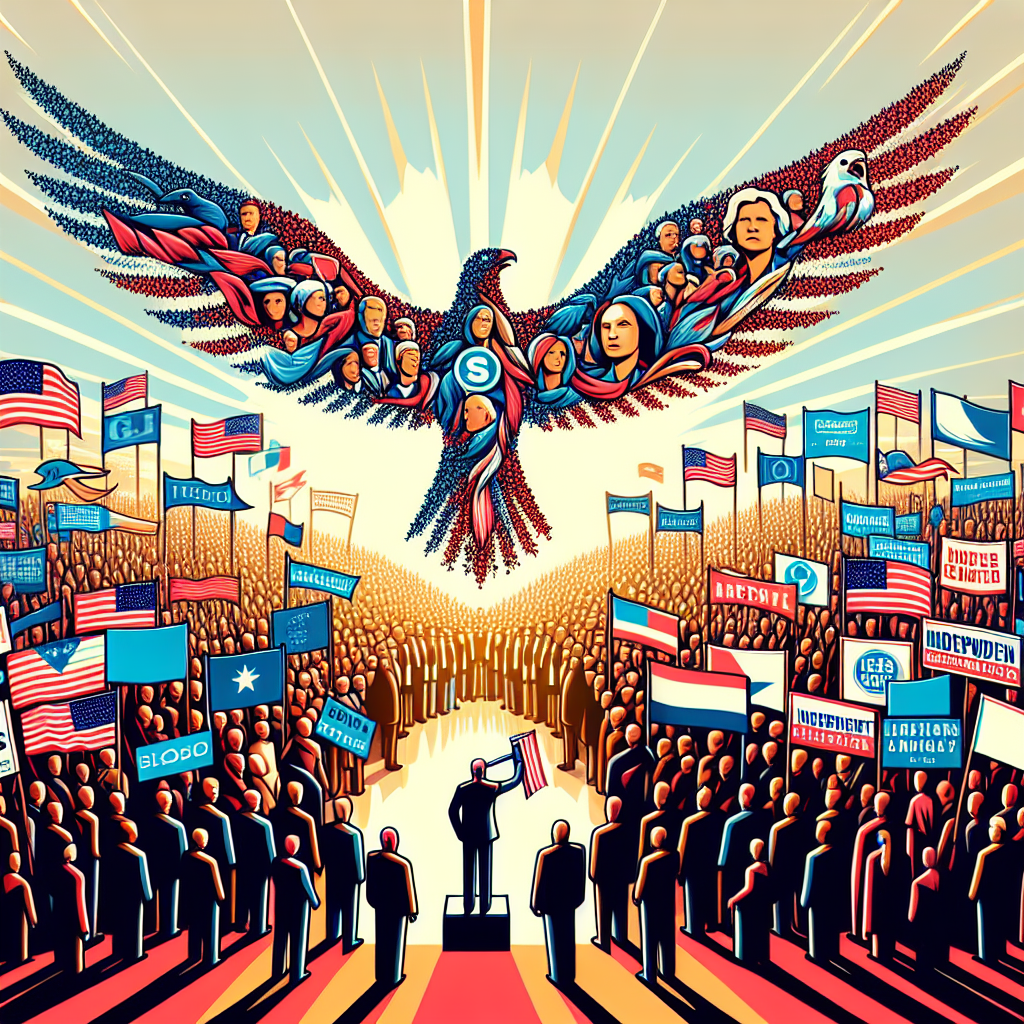
The Rise of Independent Candidates in US Elections
In recent years, the political landscape of the United States has undergone a significant transformation, with independent candidates gaining prominence in elections like never before. As dissatisfaction with traditional party systems rises, voters are increasingly turning to independent candidates who promise a fresh perspective and a break from the status quo. This article explores the factors behind the rise of independent candidates in US elections, their impact on the political arena, and what the future may hold as we progress through 2025.
The Growth of Independent Voting Trends
The shift towards independent candidates can be traced back to the growing disenchantment with established political parties. According to a 2025 Gallup poll, nearly 45% of American voters identified as independents, a record high. This trend indicates a significant change in voter behavior, with many Americans becoming frustrated with the polarization and partisanship that characterize traditional party politics. Voters express a desire for alternatives that better align with their diverse views, leading to increased support for independent candidates.
Several factors have contributed to this transformation in voting behavior. The rise of social media and increased access to information have allowed independent candidates to connect with voters more effectively than in the past. Campaigns led by independents can leverage these modern tools to build grassroots movements, engage supporters, and bypass certain traditional media outlets. This democratization of information allows voters to discover candidates that may not have the backing of large party infrastructures, enabling a wider recognition of viable independent candidates.
The Impact of Technology on Independent Campaigns
Advancements in technology have played a crucial role in the rise of independent candidates in US elections. Tools such as social media platforms, crowdfunding sites, and digital marketing have allowed independents to reach out to potential voters on a budget. Unlike traditional campaigning methods that may require substantial funding for advertising and outreach, independent candidates can harness these technological innovations to create impactful messaging that resonates with the electorate.
Moreover, technology has also facilitated community engagement. Independent candidates can host virtual town halls, conduct polls, and interact with voters directly, breaking down barriers often imposed by traditional campaign models. This accessibility fosters a greater sense of community involvement and voter participation. Campaigns focusing on transparency and direct communication have become increasingly appealing, as voters seek authentic connections with their candidates, further driving the rise of independent candidates in US elections.
Case Studies of Successful Independent Candidates
To understand the rise of independent candidates, it’s essential to explore notable examples that have emerged in recent elections. One significant case is that of Andrew Yang, who initially ran for the Democratic nomination for the 2020 presidential election but later decided to run as an independent in the New York City mayoral race in 2021. Yang’s campaign resonated with individuals frustrated with the conventional political landscape, emphasizing issues like universal basic income and technology-driven solutions. His prominence illustrated how independent candidates can disrupt traditional party lines and garner substantial support.
Another notable figure is Bernie Sanders, who, while primarily associated with Democratic socialism, has historically run as an independent. His campaign in the 2016 presidential primaries shifted the Democratic platform toward progressive policies, showcasing the potential impact that independent candidates can have on the broader political discourse. By challenging the status quo, Sanders not only mobilized younger voters but also encouraged a nationwide conversation about income inequality and healthcare reform, effectively demonstrating how independent mindsets can influence party agendas.
The recent 2024 gubernatorial elections also witnessed a surge in independent candidates, specifically in states like Alaska and Maine. Candidates such as former Governor Bill Walker, who ran as an independent, successfully captured voter attention with their focus on local issues rather than party ideologies. Walker’s campaign emphasized collaboration and compromise, resonating with voters yearning for politicians who prioritize community over partisan lines.
The Challenges Faced by Independent Candidates
Despite their rise, independent candidates face several obstacles that can hinder their success. One of the significant challenges is the electoral system’s structure, which tends to favor two-party domination. Many states have strict ballot access laws, often making it difficult for independent candidates to qualify for elections. This systemic bias complicates the process of gaining visibility and support from potential voters, resulting in a pervasive “catch-22” situation for many aspiring independent candidates.
Additionally, funding remains a critical issue for independents. Traditional party-backed candidates often have access to substantial financial resources, including donations from large interest groups and PACs. Independent candidates typically lack such financial backing, which limits their ability to reach wider audiences through advertising and outreach. The struggle for resources can create a disparity in campaign visibility, further solidifying the dominance of established parties over independents.
Furthermore, the perception of independent candidates as “spoilers” in close races can impact their campaigns significantly. Voters may perceive casting a vote for an independent as a wasted vote, particularly in a winner-take-all electoral system. This fear can deter potential supporters from backing independent candidates, thereby creating a significant barrier that leads many to revert to voting for the dominant party candidates.
The Future of Independent Candidates in US Politics
As we look ahead to future elections, the trend of increasing support for independent candidates is likely to continue. With ongoing polarizing political climates, voters increasingly seek out candidates who provide a break from the status quo. This desire may lead to more independent candidates entering elections at various levels, from local races to presidential campaigns. As a result, political parties may be forced to adapt to remain relevant, potentially leading to a reformation of political strategies and platforms.
The potential for third-party and independent candidates to leverage advancements in technology will also play a pivotal role in their electoral viability. As social media platforms evolve and digital communication becomes more ingrained in political discourse, independent candidates can utilize these tools to engage with and mobilize voters. The increasing emphasis on transparency and authenticity in campaigning will only strengthen the appeal of independent candidates who prioritize honest dialogue with constituents.
Moreover, the 2025 election cycle will likely see a heightened interest in policy-driven campaigns as voters become more informed and engaged. Independent candidates often focus on specific issues rather than party loyalty, allowing them to address concerns directly relevant to their constituents. As such, candidates who prioritize solutions over political affiliation may resonate more profoundly with voters. This phenomenon could signal a substantial shift in political dynamics in the upcoming elections.
Conclusion
The rise of independent candidates in US elections signifies an evolving political landscape characterized by growing voter dissatisfaction with established party systems. As more voters identify as independents and seek alternatives to traditional candidates, the impact of technological advancements and grassroots movements cannot be underestimated. By examining successful independent campaigns and understanding the challenges these candidates face, we can appreciate the complex dynamics at play in the electoral process. As we move towards 2025, the increased visibility and influence of independent candidates may reshape the political arena, fostering a new era of communication, engagement, and voter representation in American politics.
FAQs
What are the key reasons for the rise of independent candidates in US elections?
The rise of independent candidates can be attributed to growing voter disenchantment with traditional political parties, advancements in technology that facilitate grassroots campaigning, and a desire for new perspectives on governance and policy issues.
How do independent candidates impact traditional party politics?
Independent candidates can challenge the status quo by introducing new ideas and policies, often pushing traditional parties to adapt and consider the concerns and priorities of their constituents. Their presence can also influence the outcome of elections, as they may draw votes away from established candidates.
What are some challenges independent candidates face in US elections?
Independent candidates often encounter barriers such as strict ballot access laws, fundraising challenges compared to party-backed candidates, and the perception of being “spoilers” in tight races, which can deter potential voters from supporting them.