The Rise of Non-Traditional Candidates: Disrupting the Political Landscape
The Rise of Non-Traditional Candidates: Disrupting the Political Landscape
In recent years, the political landscape has experienced significant shifts due to the rise of non-traditional candidates. These individuals, who often come from outside the conventional political establishment, are challenging the norms and reshaping the ways in which politics is conducted, particularly in 2025. Their ascension is driven by a myriad of factors, including disillusionment with career politicians, the influence of social media, and an increasing demand for representation that reflects the diverse populace. Exploring the rise of these candidates reveals not only the changing dynamics within politics but also the implications for future governance and civic engagement.
The New Face of Politics: Who Are Non-Traditional Candidates?
Non-traditional candidates are often characterized by their unconventional backgrounds, which may include entrepreneurs, activists, academics, or those with significant experience in other professional fields rather than traditional political roles. In 2025, we have witnessed a surge of these individuals entering the race, fueled by a populace seeking a break from the usual political rhetoric. These candidates often use their unique life experiences to resonate with voters, bridging the gap between citizens and the political sphere. Unlike conventional politicians, who may have spent decades climbing the political ladder, non-traditional candidates often focus on immediate social issues and solutions that align more closely with the needs of the average citizen.
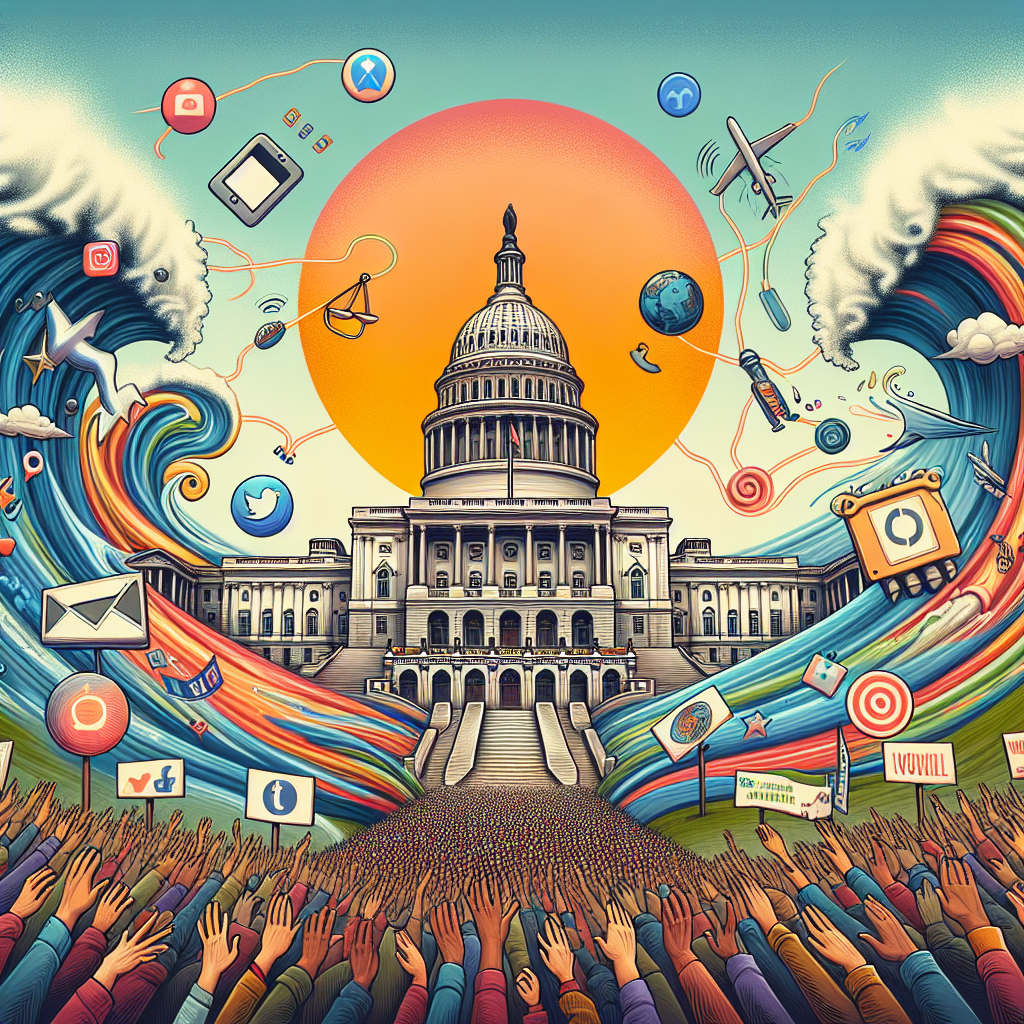
Moreover, the emergence of non-traditional candidates can also be linked to the increasing accessibility of political platforms through social media. Social media has become the great equalizer, enabling candidates with minimal funding or name recognition to reach vast audiences and mobilize support. In 2025, platforms like TikTok and Instagram have successfully transformed the way political messages are delivered, allowing candidates to connect with younger voters—an essential demographic often overlooked in traditional campaigning. As these candidates grow more adept at leveraging these tools, they are capable of fostering real conversations with constituents and breaking the barriers that have historically limited political engagement.
Factors Driving the Success of Non-Traditional Candidates
Several factors contribute to the increasing success of non-traditional candidates in contemporary politics. Foremost among these is the growing disillusionment with established political parties and their conventional representatives. In the wake of global crises—be it economic downturns, social injustice movements, or the ongoing struggle with climate change—many voters are expressing frustration with career politicians who seem disconnected from the realities of everyday life. Through their lives, experiences, and alternate perspectives, non-traditional candidates are perceived as more relatable, genuine, and committed to addressing the issues that matter most to the electorate.
Furthermore, the rise of populism has significantly shaped the political arena. Populist sentiments often pool support behind individuals who position themselves as champions of the “common people,” challenging the elite status quo. The success of various non-traditional candidates in the last few election cycles demonstrates a clear desire for robust alternatives to traditional party machines. By capitalizing on the narrative of outsider status, individuals from diverse backgrounds have reshaped political discourse, appealing to a sense of urgency that resonates deeply with voters tired of the same old politics.
The Role of Technology in Empowering Non-Traditional Candidates
Technology plays a crucial role in the rise of non-traditional candidates, particularly in their ability to communicate directly with voters. In 2025, advanced tools for data analytics and targeted social media advertising allow these candidates to craft messages that resonate with specific demographics effectively. This precise targeting results in more personal engagement as candidates can address particular issues that matter most to their constituents, thus reinforcing their relatability. The ability to bypass traditional media gatekeepers means that their narratives can spread widely, mobilizing grassroots movements quickly and efficiently.
The digital landscape also provides opportunities for fundraising that were once out of reach for non-traditional candidates. Online fundraising platforms have democratized campaign financing, enabling candidates to gather small contributions from vast numbers of supporters instead of relying on large donations from wealthy donors or corporate PACs. This model not only enhances the autonomy of these candidates but also serves to strengthen their connection with the electorate, as supporters feel a vested interest in their success. In many ways, technology is leveling the playing field, allowing diverse candidates to challenge well-funded opponents who might have been deemed untouchable in past political climates.
Moreover, the dynamics of virtual town halls and live-streamed debates have transformed how non-traditional candidates engage with voters, enabling more interactive and authentic exchanges. In these digital formats, candidates can showcase their values and positions without the constraints of formal settings dominated by traditional media narratives. This newfound accessibility allows voters to participate in political discussions more actively and makes candidates feel more approachable, fostering a sense of community around their campaigns—not just among supporters but across the political spectrum.
The Impact of Non-Traditional Candidates on Policy and Governance
The emergence of non-traditional candidates is not just changing the face of politics; it is also significantly influencing policy and governance. These candidates often prioritize grassroots issues like climate change, social equity, and economic justice—topics that have historically received lukewarm responses from conventional politicians. By adopting progressive stances on pressing issues, non-traditional candidates are forcing established politicians to reconsider their approaches or risk losing touch with their constituents.
As a result, policy proposals are becoming more inclusive and reflective of the diverse electorate. This shift is evidenced by legislative efforts toward criminal justice reform, universal healthcare, and tackling systemic inequalities that have long been overlooked. Candidates like these push for more innovative solutions by fostering dialogues with experts and community leaders, insisting that effective governance encompasses a wider array of voices and experiences. Their influence is poised to forge a path for a more equitable political system—not only toward immediate reforms but also for long-lasting institutional changes.
Additionally, the presence of non-traditional candidates is encouraging a more engaged and politically aware citizenry. By championing new ideas and emphasizing participatory democracy, these candidates inspire a more active electorate. Voter turnout, particularly among younger demographics, has been on the rise as more citizens feel motivated to influence their political landscape. This indicates a shift in the traditional apathy surrounding politics, with non-traditional candidates acting as catalysts for renewed civic engagement. The political arena in 2025 is increasingly characterized by an understanding that politics is a collective pursuit, not solely the domain of those with established credentials.
The Future of Political Campaigns: Trends and Challenges Ahead
As we look ahead, the political landscape in 2025 shows no signs of reverting to pre-2020 dynamics; instead, the trend towards supporting non-traditional candidates is likely to continue. As more individuals become disillusioned with mainstream politics and seek representation that aligns with their values, the opportunities for diverse candidates only expand. However, it is essential to recognize that these candidates also face unique challenges, including the immense pressure of continuous scrutiny from both traditional media and opponents eager to exploit any misstep.
The reliance on social media and technology comes with its own set of obstacles, as candidates must navigate an ever-changing digital environment where misinformation can spread rapidly. Non-traditional candidates must equip themselves with effective communication strategies to counteract negative narratives and ensure that their genuine messaging reaches a broad audience. As campaigns become more data-driven, candidates must also remain vigilant about how to maintain authenticity in a landscape where personal connections can be overshadowed by analytics and algorithms.
Moreover, the political discourse may grow increasingly polarized, as traditional power structures push back against the influence of non-traditional candidates. The response from established institutions, party leadership, and even some voter blocs can include attempts to delegitimize new candidates or portray them as inexperienced or unqualified. To succeed, non-traditional candidates need resilience, adaptability, and a commitment to their mission of reform, acknowledging that while the path forward may be fraught with challenges, the potential for transformative change remains substantial.
Conclusion
The rise of non-traditional candidates is undoubtedly disrupting the political landscape, ushering in a new era of governance characterized by diversity, innovation, and grass-roots engagement. As we navigate the complexities of 2025, understanding these candidates’ roles and challenges provides valuable insights into the future of democratic participation. Voters increasingly demand leaders who reflect their values and experiences, prompting a shift in policy discussions and political behavior. Therefore, as we look to the future, the prevalence of non-traditional candidates may serve as a blueprint for building a more inclusive and responsive political system.
FAQs
What are non-traditional candidates?
Non-traditional candidates are individuals who run for political office without the typical background of established politicians. They may be entrepreneurs, activists, or come from other professional fields and focus on immediate social issues rather than the conventional political narrative.
How do non-traditional candidates impact political discourse?
Non-traditional candidates often introduce fresh perspectives and urgent topics into political discourse, drawing attention to issues like economic inequality, climate change, and social justice. Their presence encourages more engaging conversations and can lead to changes in policies.
What role does technology play in the success of non-traditional candidates?
Technology, especially social media, provides non-traditional candidates with a platform to communicate directly with voters. It allows them to tailor their messages, mobilize grassroots support, and facilitate fundraising without relying on traditional political structures.
Are non-traditional candidates changing voter engagement?
Yes, non-traditional candidates are influencing voter engagement significantly by making politics more accessible, relatable, and participatory, particularly among younger voters who seek to reclaim their voice in democracy.