The Rise of Populism: Understanding the Shift in Political Opinions

The Rise of Populism: Understanding the Shift in Political Opinions
In recent years, the world has witnessed a dramatic shift in political opinions, characterized by the rise of populism across various nations. The year 2025 marks a critical juncture in this ongoing phenomenon, as leaders and movements rooted in populist ideologies continue to reshape political landscapes. Understanding the rise of populism requires an exploration of its origins, implications, and the socio-economic factors driving this shift. This article delves into the complex nature of populism, analyzing its impact on global politics and offering insights into the challenges and opportunities it presents for democracy.
Defining Populism: A Multi-Faceted Political Movement
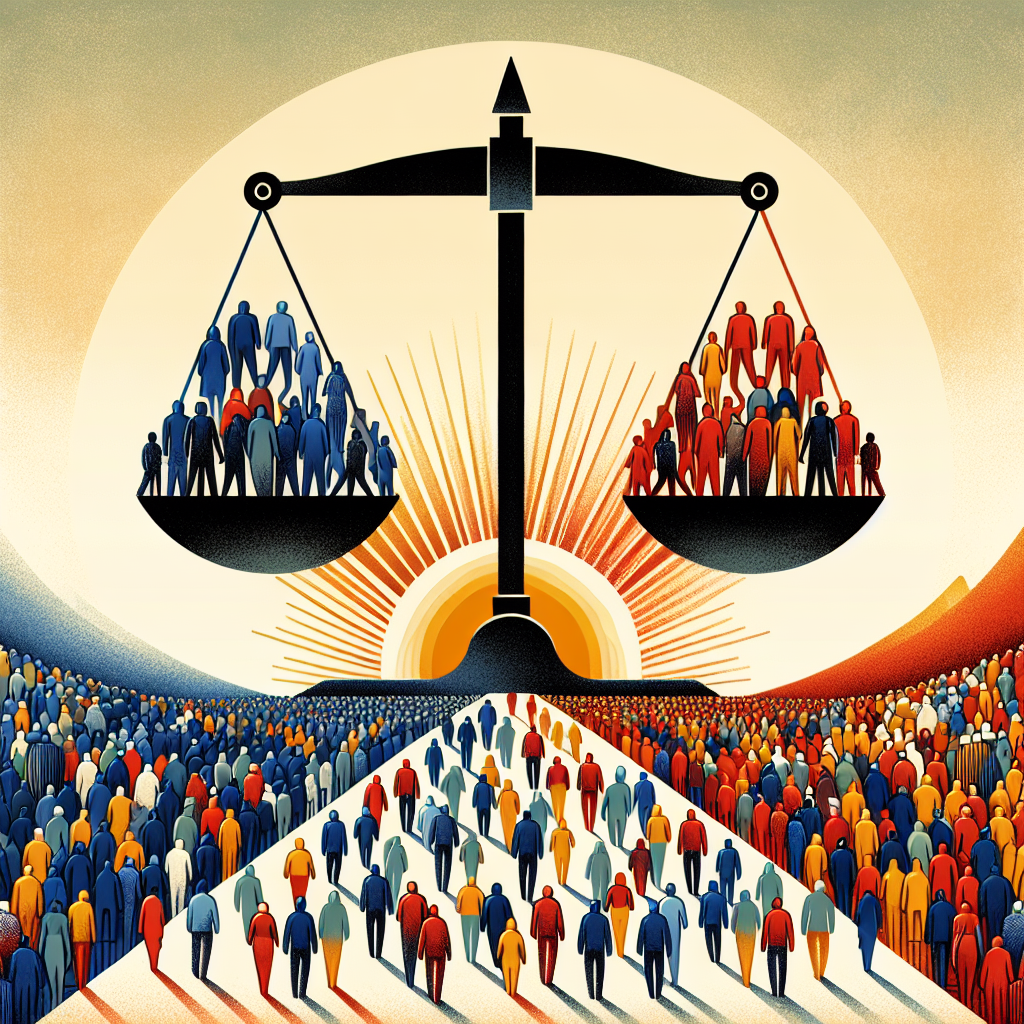
Populism is often described as an approach to politics that pits “the people” against “the elite.” In its various forms, populism advocates for the interests and concerns of ordinary citizens while critiquing established political institutions and the elites who control them. While some may view populism as a straightforward political ideology, it is crucial to understand that it manifests differently across cultures and contexts, ranging from left-wing populism, which emphasizes social justice and equality, to right-wing populism, which often focuses on nationalism and anti-immigration sentiments.
The rise of populism can be attributed to a sense of disenchantment with traditional political parties, often viewed as disconnected from the everyday struggles faced by citizens. In 2025, we see the impact of this sentiment manifested in various regions, from North America to Europe and beyond. A significant portion of the population feels marginalized, leading them to gravitate toward leaders who promise radical change and a return to the values they believe are being overlooked by the elite. Consequently, populism has emerged as a powerful force in political discussions, challenging the status quo and demanding accountability from those in power.
The Socio-Economic Drivers Behind Populism
One of the key factors fueling the rise of populism is the growing economic disparity in many countries. As the world grapples with the aftermath of the COVID-19 pandemic, economic inequalities have intensified. In 2025, citizens are increasingly aware of the wealth gap, where a small percentage of the population controls a vast majority of resources while working-class individuals struggle to make ends meet. Populist leaders have skillfully harnessed this frustration, casting themselves as champions of the common people and vowing to address economic injustices.
Moreover, globalization has led to significant economic changes, with many workers feeling displaced by automation and competition from foreign labor markets. The perception that globalization primarily benefits elites while harming local economies has created fertile ground for populist rhetoric. Leaders who advocate for protectionist policies and prioritize the interests of national citizens over multinational corporations resonate deeply with those who feel left behind. As a result, economic discontent continues to be a cornerstone of the populist agenda, driving supporters to seek out alternatives to traditional political parties.
The Role of Social Media in Populist Movements
In the contemporary landscape, social media has emerged as a game-changer for political communications and engagement. Platforms like Twitter, Facebook, and Instagram have allowed populist leaders to connect directly with their supporters, bypassing traditional media channels that may scrutinize their messages. By utilizing these platforms, populists can rally supporters, share their narratives, and mobilize grassroots movements at an unprecedented scale. In 2025, the role of social media in shaping public opinions is more pronounced than ever, serving as both a tool for engagement and a battleground for ideological conflict.
However, the impact of social media on populism is twofold. On one hand, it democratizes information dissemination, enabling a diverse array of voices to emerge. On the other hand, it contributes to the spread of misinformation and polarizing content, further entrenching divisions within society. The algorithms that power these platforms prioritize sensationalism, often amplifying extreme views and fostering an environment of tribalism. In this climate, populist movements can thrive, becoming amplified by shared grievances and reinforced by echo chambers that discourage open discourse.
Furthermore, the ability of populist leaders to leverage social media allows for rapid responses to contemporary issues, enabling them to stay relevant in an ever-changing political landscape. Some populists have even managed to create an online persona that is more relatable and approachable than traditional politicians, fostering a sense of loyalty among their followers. In 2025, the ongoing evolution of digital communication continues to shape the strategies of populist leaders and reinforce their influence on political opinions.
Populism and the Crisis of Democracy
While populism offers a voice to the disenfranchised, it also poses significant risks to democratic institutions. The year 2025 finds many democracies grappling with the consequences of populist uprisings, often characterized by the erosion of democratic norms, intolerance for dissent, and the undermining of checks and balances. Populist leaders frequently seek to consolidate power, framing their authority as a mandate from “the people” while casting opponents as traitors who oppose the will of the majority. This can lead to dangerous dynamics, where dissenting voices are silenced and media freedoms are curtailed.
Additionally, populism can incite polarized political climates, creating divisions that manifest as hostility towards minority communities, migrants, and opposing political factions. This polarization complicates governance and hampers constructive dialogue, making compromise increasingly difficult. As populist movements grow, they may prioritize short-term goals over long-term solutions, leading to potential conflicts within society and a regression in democratic values. The complexities of balancing populism with healthy democratic practices are a pressing concern for political leaders navigating the landscape in 2025.
To compound the issue, many democracies facing populist sentiments have seen a decline in voter trust, further complicating governance. Citizens feel disillusioned with political systems that appear to be unresponsive to their concerns, leading to voter apathy and disinterest. In such an environment, populist movements thrive as they create narratives that resonate with citizens yearning for change. The challenge ahead involves restoring faith in democratic processes while addressing the legitimate grievances that give rise to populist sentiments.
Global Perspectives on Populism
Populism is a global phenomenon that transcends borders, presenting unique challenges in different cultural contexts. From the Americas to Europe, Asia, and beyond, numerous nations exhibit varying forms of populist movements, each influenced by their historical, social, and political contexts. In 2025, Latin America stands out with a wave of left-leaning populist leaders advocating for progressive social policies and wealth redistribution in response to entrenched economic inequality. These leaders navigate complex relationships with international stakeholders while promoting nationalist agendas that challenge global trade institutions.
Meanwhile, Europe grapples with right-wing populism, driven by rising concerns over immigration and national identity. Populist parties across the continent have capitalized on fears related to the European Union’s influence and its immigration policies, gaining substantial electoral support. In 2025, as the EU continues to face challenges, including its response to economic disparities among member states, the rise of right-wing populism serves as a constant reminder of the fragility of unity within the bloc.
In Asia, the dynamics of populism are equally intricate. Countries like India and the Philippines have witnessed the ascension of populist leaders who leverage nationalism and public discontent to consolidate power. In India, the rise of Hindu nationalism has coincided with the rejection of secularism as a central tenet of governance. In the Philippines, populism, often characterized by strongman tactics, has led to significant shifts in foreign policy and societal norms. The global tapestry of populism continues to evolve, shaped by localized concerns yet underpinned by a shared essence that challenges old paradigms.
Addressing the Challenges Posed by Populism
As the popularity of populism grows, the imperative to address its underlying causes becomes paramount. Governments and political parties must engage in substantive dialogue with constituents to restore faith in the democratic process. 2025 presents an opportunity to revisit political engagement strategies that prioritize transparency, accountability, and inclusivity. Listening to citizens’ grievances and addressing them through effective policies is crucial for counteracting populist narratives that thrive on discontent.
Education also plays a vital role in combatting the rise of populism. Within this framework, fostering critical thinking skills among citizens becomes essential to navigating the complex landscape of information and misinformation prevalent on social media. Equipping voters with the ability to discern fact from fiction will empower them to make more informed choices, reducing susceptibility to radical populist rhetoric that exploits fears and insecurities.
Furthermore, political parties across the spectrum will need to reevaluate their approaches. By embracing innovative ideas that resonate with the electorate, traditional parties can reclaim their relevance amid the rise of populism. Building coalitions that unite common interests can also create a formidable front against divisive populist agendas. As the world approaches 2025, the challenge lies in balancing the legitimate demands for change while safeguarding the values of democracy.
Conclusion
The rise of populism is a complex and multifaceted phenomenon that highlights a profound shift in political opinions worldwide. Fuelled by socio-economic disparities, the power of social media, and a crisis of trust in democratic institutions, populism continues to resonate deeply in the hearts and minds of citizens across the globe. While it offers an avenue for marginalized voices, its implications pose significant challenges to democracy and societal cohesion. As we move further into 2025, understanding the drivers of populism and addressing its root causes will be essential to preserving democratic principles while fostering an inclusive political environment.
FAQs
What is the definition of populism?
Populism is a political approach that champions the needs and concerns of ordinary citizens, often positioned against the elite or established political systems. It can take various forms, including left-wing and right-wing populism, depending on ideological orientations.
What are the main causes of the rise of populism?
The main causes of the rise of populism include economic inequality, disenchantment with traditional political parties, globalization, and the increasing influence of social media in political discourse. These factors contribute to a sense of disconnection between citizens and established political entities.
How does social media influence populism?
Social media has altered the political landscape by allowing populist leaders to communicate directly with their followers, bypassing traditional media channels. It amplifies populist messages, mobilizes support, and sometimes exacerbates divisions through misinformation and polarizing content.
What challenges does populism pose to democracy?
Populism can undermine democratic institutions by eroding civic norms, silencing dissent, and fostering polarization. It often prioritizes the voice of the majority at the expense of minority rights, complicating governance and dialogue.
How can societies address the challenges of populism?
To address the challenges posed by populism, societies should engage in open communication with citizens, improve education to foster critical thinking, and encourage political parties to adapt their policies to resonate with the electorate’s concerns. Collaboration and inclusive dialogue are vital in countering divisive populist narratives.