The Rise of Sabermetrics in Major League Baseball
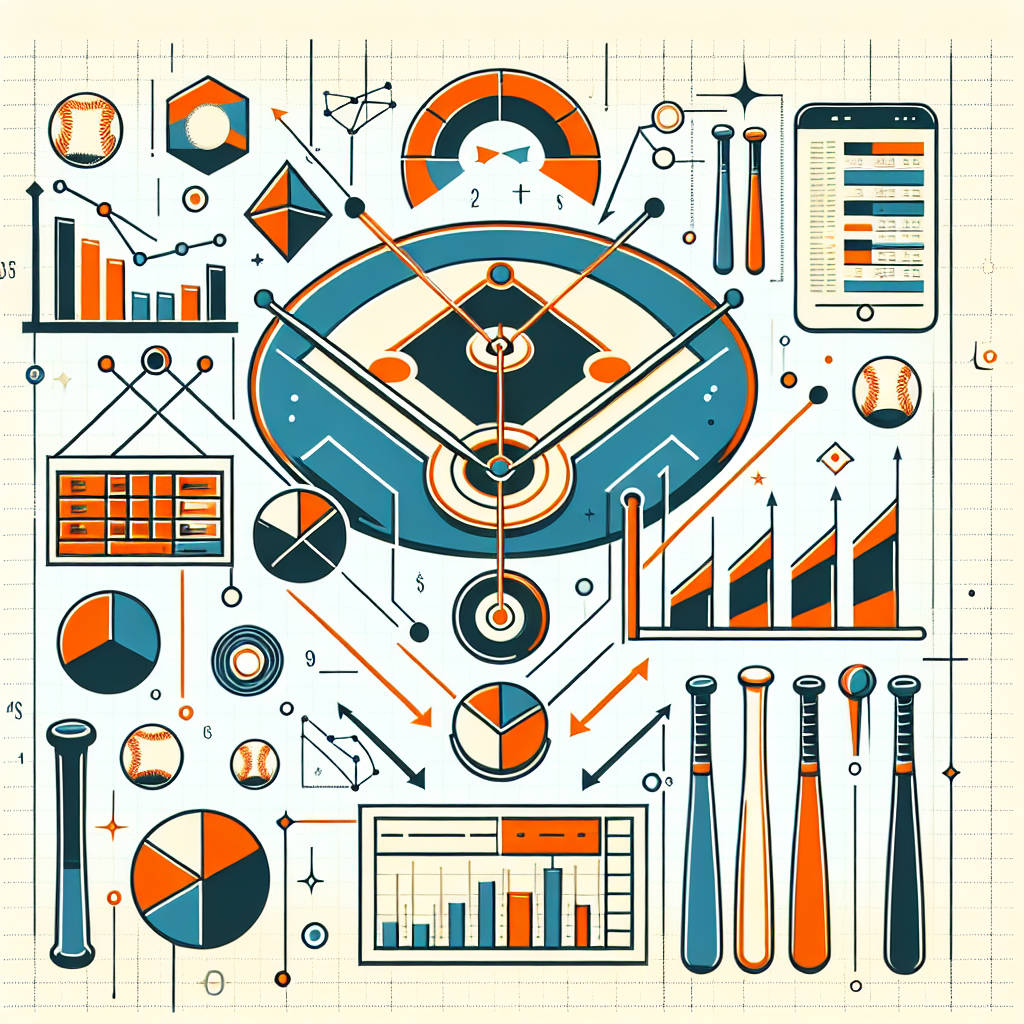
The Rise of Sabermetrics in Major League Baseball
In the ever-evolving landscape of Major League Baseball (MLB), sabermetrics has emerged as a transformative framework that has reshaped how teams evaluate players, strategize, and ultimately win games. Leveraging advanced statistical analysis, sabermetrics offers insights far beyond traditional metrics like batting average or home runs. As we step into 2025, the impact of sabermetrics is not only palpable among team executives but has also permeated the fan experience, altering how we view America’s pastime. This article explores the rise of sabermetrics in MLB, tracing its historical roots, its current state, and predicting its future influence on the game.
Understanding Sabermetrics in Baseball
Sabermetrics, a term coined from the Society for American Baseball Research (SABR), is the empirical analysis of baseball, utilizing statistics to understand the game better. Unlike traditional metrics that often paint an incomplete picture, sabermetrics delves into a wealth of data to uncover deeper insights about player performance, game strategy, and player development. Through statistical tools and advanced analytics, teams can evaluate players’ contributions to their teams beyond traditional statistics.
In recent years, baseball teams have accrued vast amounts of data during games, thanks in part to advancements like Statcast technology. Statcast tracks every pitch, hit, and play, compiling an unprecedented array of statistics that provide insights into player performance, fielding efficiency, baserunning ability, and more. This data revolution has enabled teams to quantify skills that were previously considered subjective, allowing for more informed decision-making in player acquisition and game strategy.
The Historical Context of Sabermetrics
The roots of sabermetrics can be traced back to the late 1970s, with pioneers such as Bill James leading the charge in rethinking baseball statistics. James published a series of annual baseball abstracts that challenged conventional wisdom by introducing metrics such as On-Base Percentage (OBP) and Runs Created. These concepts fundamentally altered how teams evaluated hitters, prompting a gradual shift towards more analytical thinking in MLB.
Despite facing skepticism and resistance from traditionalists, sabermetrics began to gain traction in the 1990s and 2000s. The groundbreaking success of the Oakland Athletics, as popularized in Michael Lewis’s book “Moneyball,” put sabermetrics under the spotlight, leading other teams to reconsider their analytical approaches. The Athletics used on-base percentage and other metrics to build a competitive roster with limited financial resources, proving that intelligent analysis could yield successful results even in the face of economic disadvantages.
The Integration of Sabermetrics in Team Strategy
Today, the integration of sabermetrics in MLB teams has become a standard practice. Front offices are increasingly comprised of analysts, data scientists, and former players who work together to dissect vast datasets that inform team strategies, from player scouting to in-game decision-making. Teams are employing predictive analytics to evaluate prospective players and determine their potential contributions to success. Analysts use regression models to predict future performance, allowing for better contract negotiations and player acquisitions.
Moreover, sabermetrics has significantly influenced in-game strategies, shifting how managers make decisions on everything from pitching changes to lineups. Advanced metrics such as Win Probability Added (WPA) and Saves Above Average (SAA) have become key indicators in late-game situations, guiding managers on when to pull pitchers or execute strategic plays. The strategic depth provided by sabermetric analysis offers teams a competitive edge, turning even the most marginal advantages into significant wins over the course of a season.
Impact of Technology on Sabermetrics
The rise of technology has played a pivotal role in enhancing the accuracy and scope of sabermetrics in MLB. TrackMan, Hawkeye, and TrackCast technologies have transformed gameplay, providing teams with valuable data about pitch movement, player speed, and more. With real-time data analytics, organizations can optimize player performance through tailored training programs based on individual metrics.
In 2025, the introduction of Artificial Intelligence (AI) and Machine Learning (ML) has offered even more advanced analytical capabilities. AI tools can process vast quantities of data—from player stats to weather conditions—helping teams predict game outcomes and develop strategies with unparalleled precision. As technology evolves further, the potential for sabermetrics will likely exceed our current understanding, impacting player development and game dynamics.
The Future of Sabermetrics in Major League Baseball
As we look ahead, the future of sabermetrics in Major League Baseball appears promising, with numerous avenues for growth. Enhanced data analytics will likely lead to even more tailored player evaluations, where metrics can measure subtler aspects of performance, such as player health and mental acuity. Wearable technology may soon allow managers to track health metrics in real-time, preventing injuries and optimizing player workloads.
Furthermore, the increasing focus on data-driven decision-making could lead to a more nuanced understanding of player aging curves. By analyzing factors such as biomechanics and conditioning data, teams can refine their approaches to player retention and contract negotiations, potentially prolonging player careers and maintaining peak performance longer.
The advent of augmented and virtual reality tools for training and scouting will likely revolutionize how players learn and teams evaluate talent. By simulating game situations and embedding data analytics into real-time experiences, teams can prepare both current and prospective players more effectively than ever before.
Conclusion
The rise of sabermetrics in Major League Baseball has fundamentally altered the landscape of America’s favorite pastime. By leveraging advanced statistics and technology, teams are redefining their strategies and player evaluations, showcasing the importance of data in a traditionally subjective sport. From the historical roots laid by pioneers like Bill James to the cutting-edge analytics of 2025, sabermetrics continues to evolve and expand its influence. As technological advancements provide deeper insights, the integration of this analytical approach will likely become even more sophisticated, ensuring that teams remain competitive in a rapidly changing environment.
The embrace of sabermetrics will not only shape the future of MLB rosters and strategies but also redefine the fan experience as newly accessible analytics enhance our understanding and enjoyment of the game.
FAQs
What are the key metrics used in sabermetrics?
Sabermetrics utilizes various key metrics, including On-Base Percentage (OBP), Wins Above Replacement (WAR), and Fielding Independent Pitching (FIP), among others. These metrics provide deeper insights into player performance compared to traditional stats.
How has sabermetrics changed the way teams evaluate players?
Teams now use advanced statistical analysis to assess player contributions more accurately, considering factors previously overlooked, such as defensive metrics, base running efficiency, and a player’s ability to contribute to team success in high-pressure situations.
Is sabermetrics only important for team management, or can fans benefit from it?
While sabermetrics is vital for team management, it also enriches the fan experience by providing stakeholders with a better understanding of player performance and game strategy through accessible statistics and analyses. This deeper insight can engage fans, making the game more enjoyable and interactive.
This comprehensive exploration of sabermetrics in Major League Baseball illustrates its integral role in shaping the game both on and off the field as the sport continues to evolve into a new analytical era.