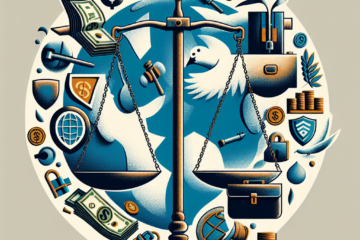
The Role of Bipartisanship in Criminal Justice Reform

The Role of Bipartisanship in Criminal Justice Reform
In recent years, the conversation around criminal justice reform has gained significant momentum, highlighting the critical role of bipartisanship in driving change. As the year 2025 unfolds, political polarization continues to pose challenges to meaningful reform. Yet, we have witnessed the potential for collaboration among political parties, demonstrating that bridging divides can lead to substantial progress in this vital area. Understanding the role and impact of bipartisanship in criminal justice reform is essential for advocates, policymakers, and citizens looking to create a fair, equitable criminal justice system.
Understanding Bipartisanship in Criminal Justice Reform
Bipartisanship refers to the collaboration of two or more political parties to achieve common legislative goals. In the context of criminal justice reform, bipartisanship is essential, as the complexities of the justice system affect individuals across the political spectrum. For many years, the criminal justice system in the United States has been criticized for its disproportionate effects on marginalized communities, exacerbated by tough-on-crime policies championed by both major political parties. This urgent need for reform has catalyzed a unique opportunity for bipartisan cooperation, recognizing that effective solutions often transcend party lines.
In 2025, moments of bipartisanship have emerged, with lawmakers realizing that criminal justice reform is not just a moral imperative but also a public safety necessity. Key areas, such as sentencing reform, police accountability, and rehabilitation initiatives, have seen bipartisan support, proving that both sides of the aisle can rally around shared values like justice, fairness, and human dignity. Legislative efforts, such as the FIRST STEP Act enacted in 2018, continue to inspire contemporary reform movements because they exemplify how cooperation can lead to successful policy outcomes.
The Importance of Bipartisanship in Passing Effective Legislation
One of the most significant benefits of bipartisanship is the enhanced likelihood of passing comprehensive and effective legislation. As seen in 2025, when lawmakers from various political ideologies come together to address pressing issues in the criminal justice system, it often results in more robust and thoughtful policy proposals. Bipartisan support can attract more extensive coalitions, diversifying the perspectives involved in the legislation. These coalitions can better assess the potential consequences of policies, leading to a more refined and inclusive approach to reform.
Additionally, bipartisan efforts aid in breaking down the barriers that often hinder progress in criminal justice reform. For instance, when conservative and liberal representatives unite around the need for rehabilitation over punishment, they can push legislation that emphasizes restorative justice and alternative sentencing. Such collaborative approaches reassess outdated paradigms while presenting viable alternatives that resonate with constituents across the political spectrum, showing that there are multiple avenues toward achieving justice.
Recent Examples of Bipartisanship in Criminal Justice Reform
In 2025, multiple examples illustrate the success of bipartisanship in criminal justice reform. One noteworthy initiative is the Right to Counsel Act, which emerged from a coalition of progressive and conservative lawmakers. The act aims to guarantee legal representation for individuals facing eviction and the potential criminalization of poverty, recognizing that access to legal counsel is a fundamental right. Lawmakers from both parties have championed this initiative, highlighting the shared understanding that a fair legal system relies on equitable representation.
Another significant achievement is the policing reforms following widespread public protests and calls to action after high-profile incidents of police violence. Bipartisan efforts culminated in the passage of the Police Accountability and Transparency Act, which introduced comprehensive measures including the use of body cameras, enhanced training on de-escalation techniques, and external oversight boards. These reforms garnered support from both conservatives who emphasize law and order and progressives advocating for systemic change, illustrating a productive convergence of interests.
Moreover, the 2025 Criminal Justice Innovation Act focuses on funding community-based programs aimed at reducing recidivism rates among formerly incarcerated individuals. Leveraging funding from both state and federal resources, this legislation encourages mental health support, vocational training, and housing assistance, highlighting a holistic approach to reintegration. By addressing the systemic issues that lead to incarceration, lawmakers from both parties recognize that effective reform ultimately benefits society as a whole.
Challenges to Bipartisanship in Criminal Justice Reform
Despite the promising examples of bipartisanship, challenges persist that can undermine collaboration on criminal justice reform. One of the most significant hurdles is the broader political climate of polarization. In an era where partisan identity strongly influences public opinion, lawmakers may hesitate to engage with their political opponents for fear of backlash from their base. This hesitancy can stall progress, making it difficult for bipartisan initiatives to gain traction, especially on contentious issues such as sentencing reform and the decriminalization of certain offenses.
Additionally, misinformation and public relations battles often cloud the conversation surrounding criminal justice reform. Stereotypes perpetuated by sensational media portrayals can exacerbate fears over crime and influence legislative priorities. Such narratives can complicate bipartisanship, as lawmakers may resort to appeasing their constituents rather than pursuing evidence-based reforms. This environment underscores the importance of education and awareness campaigns to inform the public about the benefits of reform and the value of collaboration.
Moreover, special interest groups and lobbyists can often sway political agendas, making bipartisanship more complicated. Organizations that prioritize punitive approaches to crime may resist reform initiatives that promote rehabilitation, which can create additional friction between parties. Crafting a legislative agenda that satisfies influential constituents while advancing meaningful reform requires careful negotiation and a willingness to compromise.
The Future of Bipartisanship in Criminal Justice Reform
Navigating the complexities of criminal justice reform in 2025 and beyond will necessitate a renewed commitment to bipartisanship. Engaging grassroots movements and community organizations can help create a cohesive narrative that transcends party divisions. By championing shared stories of individuals affected by the justice system, advocates can unite constituents around common goals and facilitate a more inclusive dialogue.
Furthermore, investing in research and data-driven approaches is critical to shaping bipartisan policies. Legislators must prioritize evidence-based discussions that highlight the success of programs aimed at reducing recidivism and enhancing public safety. As states and local governments implement innovative practices, sharing these success stories can inspire further collaboration on a national scale, driving home the message that reform is beneficial for all parties involved.
In the coming years, utilizing technology and social media platforms can play a pivotal role in fostering bipartisanship in criminal justice reform. By harnessing the power of communication tools, advocates can amplify their message, rallying diverse populations around the shared goal of creating a fair and just system. Patience and perseverance will be essential, but through collaborative efforts, progress can be achieved.
Conclusion
The role of bipartisanship in criminal justice reform remains a vital component in the quest for a more just and equitable society. As evidenced in 2025, cooperative legislative efforts can lead to impactful reforms that benefit countless individuals adversely affected by the current system. Though challenges remain, sustained efforts toward collaboration and communication can pave the way for a fairer and more effective criminal justice system. As citizens, advocates, and lawmakers work together, the potential for meaningful reform is not only possible; it is within reach.
FAQs
Why is bipartisanship important for criminal justice reform?
Bipartisanship is crucial for criminal justice reform because it allows lawmakers from different political backgrounds to come together, increasing the chances of passing impactful legislation that benefits a broader society.
What are some recent examples of successful bipartisan legislation in criminal justice?
Examples of successful bipartisan legislation include the RIGHT to Counsel Act and the Police Accountability and Transparency Act, both of which illustrate how lawmakers can unite across party lines to drive significant reforms.
What challenges hinder bipartisanship in the area of criminal justice reform?
Challenges to bipartisanship include political polarization, misinformation, and the influence of special interest groups that may prioritize punitive measures over rehabilitative approaches to justice reform.