The Role of Education in Shaping Political Views

The Role of Education in Shaping Political Views
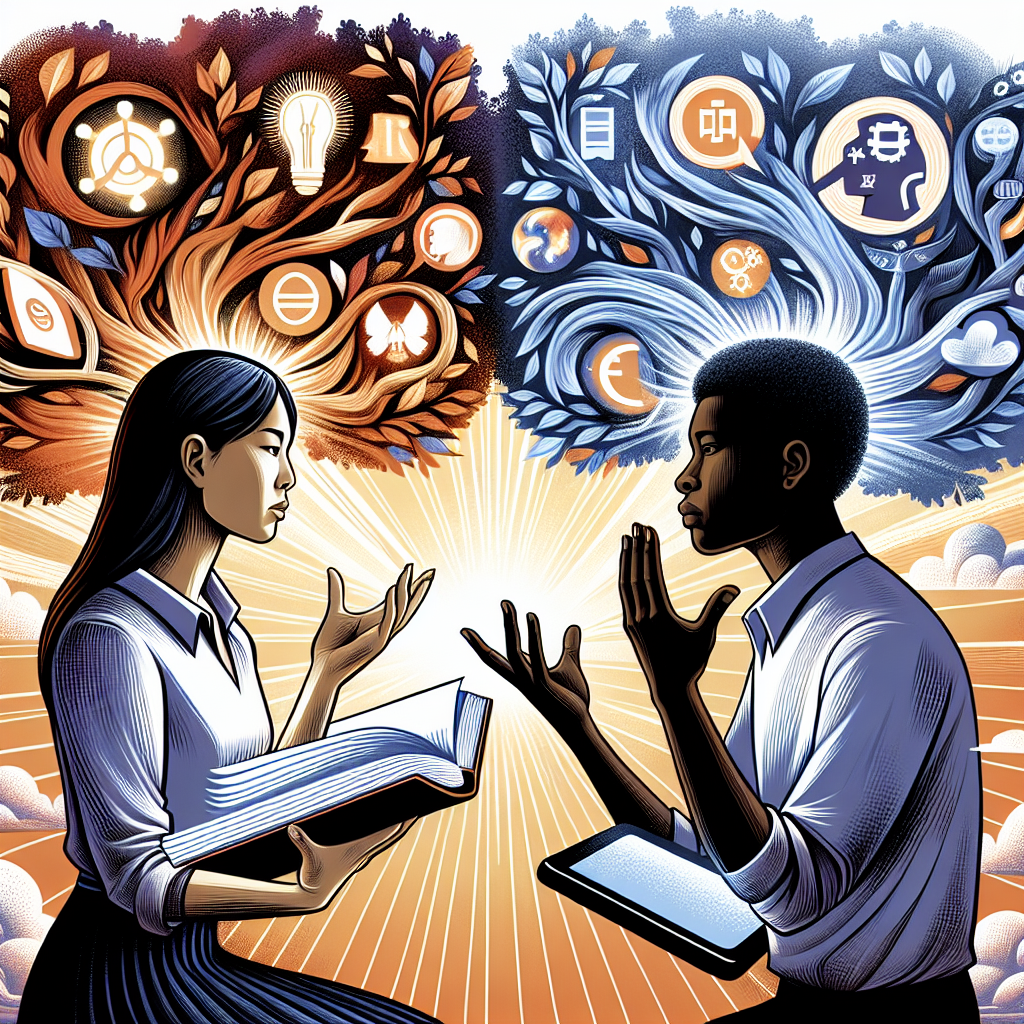
In today’s hyper-connected world, the intersection of education and politics has never been more critical. The role of education in shaping political views extends beyond mere academic instruction; it lays the foundation for informed citizenship, critical thinking, and societal engagement. As we move deeper into 2025, understanding this dynamic is essential for fostering future leaders who are capable of navigating complex political landscapes. Through education, individuals acquire not only knowledge but also the analytical skills that influence their political ideologies and civic responsibilities.
Education’s Impact on Political Socialization
Education plays a pivotal role in political socialization, which is the process by which individuals form their beliefs and values regarding politics. During formative years—primarily in primary and secondary education—students are exposed to civic education, political theories, and historical contexts that help shape their understanding of governance and individual rights. These early lessons not only impart knowledge but also instill a sense of civic duty, motivating students to engage in political discussions, community service, and advocacy.
Furthermore, as education continues into higher learning, universities and colleges serve as platforms for political debate and discourse. Here, students are presented with diverse viewpoints and encouraged to examine issues critically. This exposure often leads to a more nuanced understanding of political matters, fostering an environment where students can engage in informed discussions and develop their unique political stances. In 2025, universities have been increasingly emphasizing interdisciplinary approaches to political education, integrating subjects like economics, sociology, and environmental science, which broaden students’ perspectives and understanding of global issues.
The Role of Critical Thinking in Political Views
Critical thinking, a core component of education, significantly influences political views. As students learn to analyze arguments, evaluate evidence, and draw informed conclusions, they become less susceptible to manipulation by populist rhetoric and misinformation. Education equips individuals with the tools necessary to discern fact from opinion, especially in an age where social media plays a significant role in shaping public discourse. By cultivating critical thinking skills in classrooms, educators empower students to challenge problematic narratives and promote democratic ideals.
In 2025, this emphasis on critical thinking has become increasingly urgent. With the rise of “fake news” and the polarization of political dialogues, educational institutions are prioritizing media literacy as part of the curriculum. Programs aimed at teaching students how to interpret news sources critically and recognize bias have emerged as essential components of contemporary education. This focus on media literacy not only enhances students’ ability to participate in political discussions but also fosters a more informed electorate capable of making decisions based on facts rather than fear or anxiety.
Political Engagement Through Education
Education enhances political engagement by providing individuals with the knowledge and skills required to participate actively in democratic processes. This includes understanding the voting process, knowing how to communicate with representatives, and recognizing the importance of grassroots activism. Schools and universities facilitate various civic engagement activities, ranging from debates and mock elections to community service projects. Such hands-on experiences encourage students to recognize their potential to influence local and national governance positively.
Moreover, in recent years, educational initiatives have focused on the importance of inclusivity and representation in political engagement. In 2025, educators are encouraged to create curricula that highlight underrepresented voices and issues. This approach not only enriches students’ learning experiences but also fosters a greater sense of empathy and understanding of social justice. Consequently, students who are educated about the struggles faced by marginalized communities often become advocates for equity and inclusion in their political views and actions.
Another crucial aspect of political engagement through education is the rise of student activism. With access to knowledge and the ability to connect through digital platforms, students are increasingly organizing movements addressing climate change, social injustice, and educational reform. This activism has been fueled by educational institutions that not only support their initiatives but also inspire them through curricula that emphasize the value of civic responsibility and leadership. The generation of 2025 is seeing students not just as learners but as active participants in shaping the political landscape.
The Global Perspective of Education and Political Views
Education’s role in shaping political views extends beyond national boundaries; it offers a global perspective that is increasingly crucial in our interconnected world. As students engage with international issues, they begin to understand how global interdependence affects local realities. Global education initiatives enable learners to explore different governance structures and cultural paradigms, fostering a broader understanding of political ideologies. This global perspective encourages students to think critically about international relations and their implications for domestic policies.
In 2025, many educational institutions are integrating global citizenship education into their curricula. This approach not only promotes awareness of global issues, such as human rights, environmental sustainability, and economic inequality, but also motivates students to consider their roles as global citizens. By developing empathy and understanding for diverse perspectives, students are more likely to think critically about their political views and those of others, leading to a more informed and compassionate political discourse.
Moreover, technological advancements have further accelerated the global exchange of ideas and political discussions. Online platforms facilitate cross-cultural dialogues and collaborations, allowing students to engage with peers from different countries and backgrounds. This exposure fosters a more comprehensive understanding of political issues and inspires students to consider solutions that reflect both local and global citizenship. Educational institutions that embrace this global perspective ultimately produce graduates who are not only informed voters but also advocates for collaborative solutions to pressing global challenges.
Challenges and Opportunities in Political Education
Despite its importance, several challenges exist in the realm of education and political views. One of the primary issues is the politicization of education itself. In 2025, debates surrounding curriculum content, such as the teaching of historical events and social issues, have become contentious. Educators often face pressure to align with particular ideological stances, which can impede their ability to provide a balanced and comprehensive education that fosters critical thinking and diverse perspectives.
Additionally, disparities in educational access create significant barriers to equitable political engagement. Marginalized communities often face limited access to quality education, which hampers their ability to participate fully in political processes. Bridging this gap requires concerted efforts to improve educational equity, ensuring that all students receive the knowledge and skills necessary to engage meaningfully in democratic practices.
However, these challenges also present opportunities for reform and transformation within educational systems. As discussions about improving political education gain traction, educators are called to innovate and adapt their teaching methodologies. For instance, the integration of service-learning programs encourages students to engage with their communities and apply their political knowledge in real-world settings. Such initiatives not only enhance students’ understanding of civic responsibility but also empower them to activate their political beliefs through tangible actions.
In conclusion, the role of education in shaping political views is profound and multifaceted. It equips individuals with critical thinking skills, fosters civic engagement, and offers a global perspective essential in today’s interconnected world. The challenges faced within educational systems highlight the need for continuous adaptation and advocacy, ensuring equitable access to quality education for all. As we navigate the complexities of the 21st century, the emphasis on fostering informed, engaged citizens through education remains a crucial endeavor for building democratic societies.
FAQs
How does education influence political beliefs?
Education influences political beliefs through exposure to diverse viewpoints, critical thinking development, and civic engagement opportunities. It helps individuals analyze political systems and understand their roles as informed citizens.
What role do universities play in shaping political views?
Universities foster political dialogue, encourage critical thinking, and provide platforms for student activism. They present a diverse range of ideas and promote interdisciplinary learning that enhances students’ understanding of global issues.
What are the challenges in political education today?
Challenges in political education include the politicization of curricula, disparities in educational access, and resistance to teaching controversial topics. Addressing these issues requires innovative approaches and advocacy for educational equity.