The Role of Grassroots Movements in Shaping Political Narratives

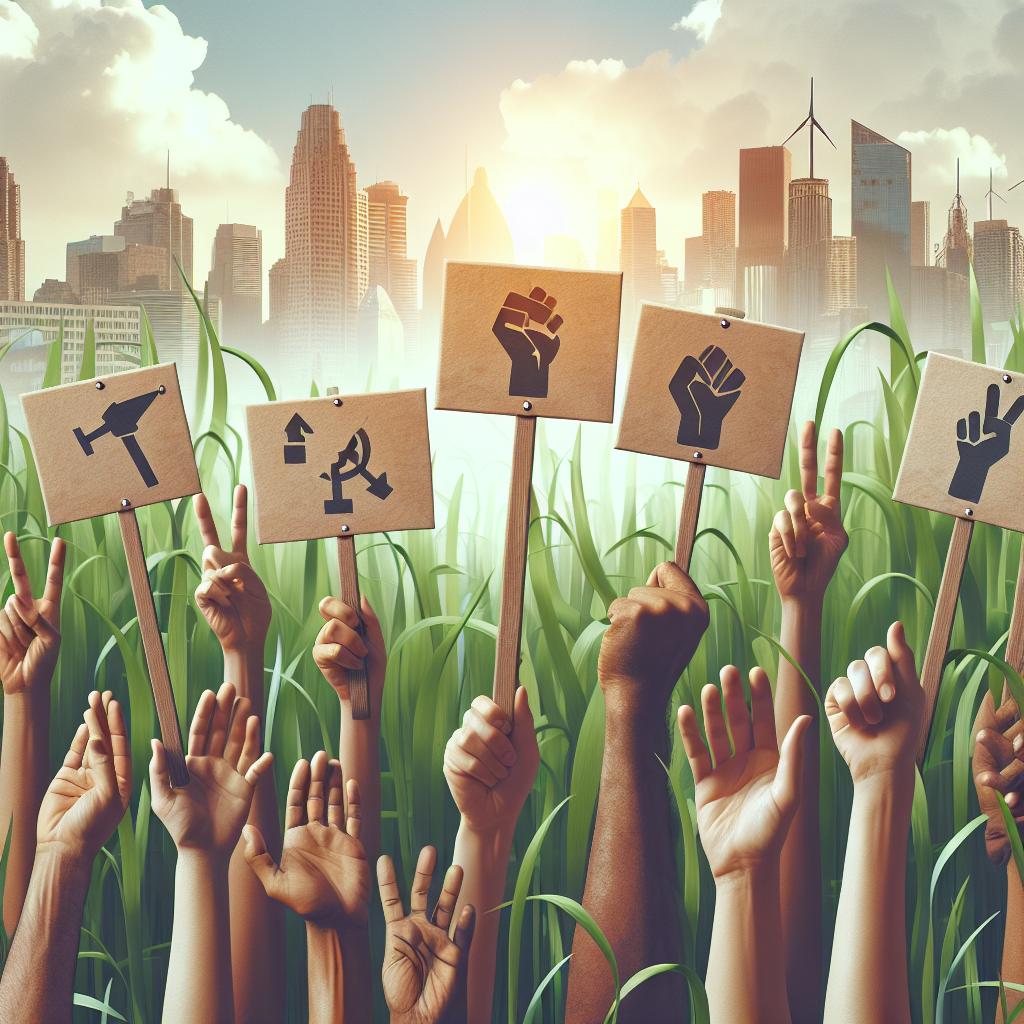
The Role of Grassroots Movements in Shaping Political Narratives
Introduction
In the dynamic landscape of contemporary politics, grassroots movements have emerged as pivotal forces in shaping political narratives. These movements, often driven by passionate individuals or small groups, harness the power of community engagement to influence policies, challenge existing paradigms, and redefine political discourse. As we progress through 2025, the spotlight on grassroots activism underscores its importance in democratic societies. This article delves into the multifaceted role of grassroots movements in shaping political narratives, exploring their mechanisms, influences, and the challenges they face in a rapidly changing socio-political environment.
The Power of Grassroots Movements in Political Change
Grassroots movements are instrumental in catalyzing political change by mobilizing ordinary citizens around specific issues. Unlike traditional political structures, grassroots organizations tend to operate on a local level, fostering engagement and participation directly within communities. For instance, movements such as “Fridays for Future” and “Black Lives Matter” have demonstrated how localized activism can resonate globally, pressing policies on climate change and racial justice. These movements leverage social media, community events, and grassroots fundraising to amplify their messages, circumventing mainstream media’s constraints and reaching wider audiences than ever before.
The effectiveness of grassroots movements lies in their ability to connect personal stories with political issues. By humanizing issues such as healthcare, environmental policy, and social equity, grassroots organizations engage diverse demographics. The emotional weight of personal narratives can shift perceptions and catalyze collective action, transforming previously apolitical individuals into passionate advocates. As seen in recent political campaigns, candidates increasingly recognize the value of grassroots support, often tailoring their platforms to reflect the voices and concerns of these movements. This has transformed the political landscape, creating a more inclusive dialogue that highlights previously marginalized perspectives.
How Grassroots Movements Influence Policy Making
Grassroots movements play a crucial role in influencing public policy by bringing issues to the forefront of political discourse. Through organized advocacy, they can shift legislative priorities, as policymakers often respond to the pressures exerted by active constituents. For example, the healthcare debates in recent years have been significantly influenced by grassroots campaigns advocating for universal coverage, highlighting personal testimonials that resonate with the public. These movements often employ strategic lobbying, public demonstrations, and awareness campaigns to ensure that their issues are considered in legislative discussions, effectively amplifying their impact on policy development.
Furthermore, grassroots movements can directly participate in the electoral process. By endorsing candidates who align with their values and advocating for specific policy changes, these movements can sway election outcomes. Political action committees (PACs) that emerge from grassroots organizations can mobilize substantial financial support for aligned candidates, which can prove decisive in tightly-contested races. For instance, the progressive movement’s rise in the Democratic Party showcases how grassroots efforts can promote candidates who advocate for sweeping reforms, thereby altering the party’s overall platform. The symbiotic relationship between grassroots movements and political candidates illustrates how these organizations can influence electoral politics while pushing for systemic change.
Challenges Faced by Grassroots Movements
Despite their significant influence, grassroots movements face numerous challenges that can hinder their effectiveness. One of the primary issues is the lack of funding and resources compared to established political organizations. Operated often by volunteers, grassroots initiatives may struggle to maintain momentum in the face of financial constraints, limiting their capacity for outreach and sustained advocacy. Additionally, these movements must navigate a political landscape that frequently marginalizes their voices, as mainstream media outlets may overlook their stories in favor of more traditional narratives.
Another critical challenge is the internal fragmentation that can occur within grassroots movements. As these organizations grow, divergent opinions and strategies may arise, leading to conflicts that dilute their message. For example, movements advocating for climate action may fracture along lines of strategy, with some factions emphasizing immediate policy changes while others advocate for broader systemic transformations. This fragmentation can weaken their collective voice, making it more difficult to achieve consensus and present a unified front to policymakers.
Lastly, the rise of misinformation and disinformation campaigns poses a serious threat to grassroots movements. With the proliferation of social media platforms, false narratives can easily spread, undermining the credibility of legitimate movements. Activists must continuously engage in fact-checking and awareness campaigns to combat misinformation surrounding critical issues, which diverts valuable resources and attention away from their core objectives. Despite these challenges, grassroots movements continue to adapt, using innovative strategies to navigate the complex political landscape of 2025.
The Future of Grassroots Movements and Political Narratives
As we look towards the future, the potential of grassroots movements to shape political narratives remains vast. The ongoing digital revolution allows for greater connectivity and information dissemination, enabling grassroots organizations to reach broader audiences and build coalitions that transcend geographic and demographic boundaries. With the rise of platforms that facilitate remote organizing, such as social media and virtual meeting tools, grassroots movements can effectively mobilize supporters across the globe. This interconnectedness will likely enhance their capacity to advocate for change and hold political leaders accountable.
Moreover, the focus on issues such as climate change, social justice, and equity will likely continue to rise as pressing societal concerns in 2025. Grassroots movements that successfully elevate these issues in public consciousness can significantly influence governmental and corporate policies. As the climate crisis intensifies, movements like “Fridays for Future” are expected to gain traction, pushing for urgent policy changes and holding leaders accountable for failing to address environmental degradation. It’s imperative for these movements to collaborate with scientific communities and civil society organizations to enrich their narratives, ensuring that their advocacy is grounded in evidence-based solutions.
Finally, as political polarization grows, the role of grassroots movements in fostering dialogue and collaboration will be increasingly vital. By promoting empathy and understanding among diverse groups, these movements can bridge divides and create inclusive platforms for discussion. Community-centric initiatives that encourage local problem-solving and consensus-building will be crucial in mitigating partisan tensions. In this evolving political landscape, grassroots movements can shape narratives that reflect a broader spectrum of experiences and perspectives, ultimately reinforcing democratic values and enriching public discourse.
Conclusion
In conclusion, grassroots movements are essential players in shaping political narratives, possessing the unique ability to mobilize public opinion, influence policy decisions, and foster community engagement. Despite facing numerous challenges, such as funding limitations, internal divisions, and misinformation, these movements demonstrate resilience and adaptability in their quest for social change. As we move into 2025, observations indicate that grassroots activism will continue to empower communities and amplify voices that have historically been marginalized. With their potential for innovation and connectivity, grassroots movements are poised to redefine political landscapes, ultimately shaping narratives that reflect the diverse needs and aspirations of society.
FAQs
What are grassroots movements?
Grassroots movements are organized efforts driven by community members to advocate for change on specific issues, often focusing on social justice, environmental concerns, and political reform. They typically operate from the ground up, harnessing local support and engagement.
How do grassroots movements influence politics?
Grassroots movements influence politics by mobilizing citizens, raising awareness of critical issues, and pressuring policymakers to change policies. They often engage in campaigns, demonstrations, and lobbying efforts to make their voices heard.
What challenges do grassroots movements face?
Grassroots movements face a variety of challenges, including funding limitations, internal divisions, and misinformation. These factors can affect their ability to maintain momentum, project a unified message, and combat false narratives surrounding their initiatives.
Can grassroots movements make a difference in elections?
Yes, grassroots movements can significantly influence elections by mobilizing voters, endorsing candidates, and advocating for specific policies. Their ability to engage local communities can help sway public opinion and impact electoral outcomes.
What role does social media play in grassroots movements?
Social media plays a crucial role in grassroots movements by providing platforms for organizing, sharing information, and amplifying messages. It allows movements to reach a broader audience, engage supporters, and build coalitions more effectively.
How do grassroots movements contribute to political narratives?
Grassroots movements shape political narratives by presenting personal stories and local issues that humanize larger political debates. By framing their messages around community experiences, they can influence public perception and guide political discourse.