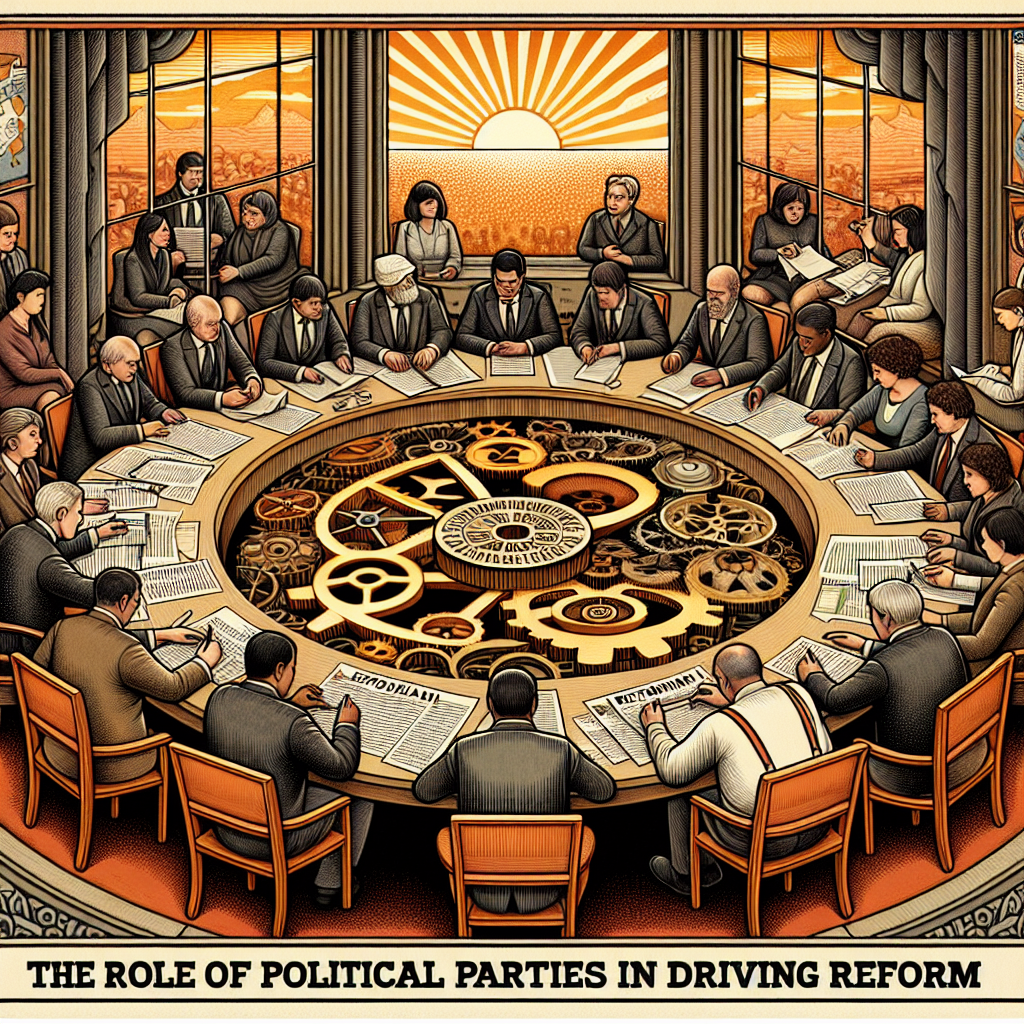
The Role of Nonprofit Organizations in Political Mobilization


Introduction
In the landscape of American democracy, nonprofit organizations play a pivotal role in political mobilization by advocating for various social issues, shaping public policies, and enhancing civic engagement. As we look at the year 2025, the influence of these organizations has only expanded, proving to be a powerful force in driving community action and voter participation. With a mission often centered around social justice, environmental sustainability, and educational equity, nonprofits not only represent specific causes but also work to bridge the gap between elected officials and the communities they serve. In this article, we will explore the multifaceted role of nonprofit organizations in political mobilization, their strategies, challenges, and the critical impact they have on shaping democracy.
Understanding the Role of Nonprofit Organizations in Political Mobilization
Nonprofit organizations serve as vital facilitators of political mobilization by raising awareness on crucial issues, connecting diverse populations, and fostering civic engagement. They act as intermediaries between citizens and lawmakers, amplifying the voices of communities that might otherwise remain unheard. Whether through grassroots campaigns, educational programs, or advocacy initiatives, these organizations mobilize resources and people to influence policy change and encourage voter participation. This multifaceted role becomes increasingly significant during elections, where nonprofits target walls of misinformation, disenfranchisement, and apathy with informative campaigns aimed at educating the public about their rights and responsibilities.
Moreover, these organizations utilize various platforms to engage citizens in the political process. From hosting town hall meetings and rallies to utilizing social media for awareness campaigns, nonprofits have embraced technology in political mobilization. In recent years, particularly in the wake of the pandemic and its influence on traditional campaigning, nonprofits have adapted by creating virtual engagement strategies, amplifying their reach and enhancing participation among constituencies. By leveraging online tools such as webinars, social media campaigns, and digital advocacy, nonprofits have proven their ability to engage and mobilize supporters effectively, ensuring their messages resonate with a broader audience.
Strategies Employed by Nonprofit Organizations for Political Mobilization
Nonprofit organizations implement diverse strategies to mobilize support for political causes. One common approach is grassroots organizing, where nonprofits work directly with community members to build coalitions and foster collective action. Through methods such as door-to-door canvassing, neighborhood meetings, and community outreach, these organizations foster relationships that empower individuals to advocate for change in their localities. In 2025, this strategy continues to thrive as nonprofits adapt to shifting social dynamics and stay relevant in the digital age, demonstrating that personal connections remain at the heart of effective political mobilization.
Advocacy training is another crucial strategy employed by nonprofit organizations. Training workshops equip community members with the skills needed to engage local and national representatives effectively, helping them communicate their needs and concerns. By focusing on building capacity among citizens, nonprofits foster a culture of active participation in civil discourse. This training often includes understanding legislative processes, crafting compelling narratives, and utilizing social media to spread awareness about hot-button issues. Empowered citizens become advocates, influencing lawmakers to consider their perspectives when making policy decisions.
Challenges Faced by Nonprofit Organizations in Political Mobilization
While the role of nonprofit organizations in political mobilization is vital, various challenges hinder their effectiveness. One significant challenge is funding constraints, as many nonprofits rely heavily on grants, donations, and membership fees. Political engagement initiatives often require substantial financial resources for outreach, educational materials, and staff training, which can strain budgets, especially during turbulent economic times. Limited funding can stifle innovation and prevent nonprofits from fully engaging diverse communities, reducing their overall impact during critical political moments.
Another challenge lies in navigating the complex legal landscape governing nonprofit political activity. Organizations must adhere to regulations regarding lobbying and electioneering, which can restrict their advocacy efforts. Understanding the rules and guidelines is essential for nonprofits working to influence public policy while remaining compliant. This regulatory framework can sometimes deter organizations from taking bold stances on issues, leading to a reluctance to mobilize communities as energetically as they might otherwise. The challenge of maintaining compliance while striving for impactful political engagement remains a persistent hurdle.
Additionally, the increasing polarization of American politics poses significant challenges to nonprofit organizations working on political mobilization. As society becomes more divided on key issues, nonprofits must navigate public perception carefully, striving to maintain credibility while advocating for their causes. Organizations that align with controversial positions may face backlash or diminished support, making it essential for nonprofits to balance their advocacy efforts with the complexities of public sentiment. This challenge calls for strategic communication, highlighting the importance of framing issues in ways that resonate with a broad audience.
The Impact of Nonprofit Organizations on Voter Participation
Nonprofit organizations play a critical role in enhancing voter participation, particularly in underrepresented communities. Their targeted outreach efforts focus on increasing awareness about the electoral process, voter registration, and the importance of civic engagement. In 2025, with new technologies and communication strategies, nonprofits have honed their approaches to reach millennials and Gen Z voters, who are often less engaged in traditional electoral processes. By utilizing social media campaigns, peer-to-peer texting, and mobile applications, nonprofits are successfully capturing the attention of younger voters and motivating them to participate in elections.
Moreover, nonprofit organizations provide vital resources for voters seeking to navigate the complexities of the voting process. From information on how to register, polling locations, and ballot measures, nonprofits serve as information hubs for their communities. They demystify voting procedures and help individuals understand the significance of their vote, especially in local elections where decisions can directly impact their lives. This accessibility ensures that communities are well-informed and equipped to participate actively in the political process.
Through nonpartisan get-out-the-vote initiatives, nonprofits can foster a culture of civic participation. These campaigns do not endorse specific candidates or parties but emphasize the importance of exercising one’s right to vote. By bringing together various affinity groups, these organizations can reach a wider audience and create an inclusive movement that highlights democratic participation as a shared responsibility. By encouraging transformative voter turnout, nonprofits contribute to shaping the direction of policies and decisions on pressing societal issues.
Case Studies of Nonprofit Organizations Successfully Mobilizing Political Engagement
Various nonprofit organizations exemplify the effectiveness of political mobilization strategies that result in tangible impact. One notable case is the League of Women Voters, a national organization that has played a crucial role in advocating for voting rights since its inception. In recent years, particularly leading up to the 2024 elections, the League deployed extensive efforts to combat voter suppression by providing educational resources and hosting initiatives aimed at empowering marginalized communities. Their approach included collaborating with local leaders to organize registration drives and hosting informative events addressing critical issues like ID requirements and voting logistics.
Another compelling example is Planned Parenthood, which leverages its network to mobilize supporters around reproductive rights. As debates surrounding women’s health and reproductive choices continue to be politically charged, Planned Parenthood has effectively used advocacy campaigns that stress the importance of civic engagement among younger generations. In 2025, their “Your Health, Your Vote” campaign highlights the influence of elected officials on healthcare policies, thereby linking voter participation to the preservation of reproductive rights, successfully mobilizing constituents to act on what matters to them.
In the realm of environmental advocacy, organizations like the Sierra Club have been at the forefront of political mobilization efforts. In recent years, they have aggressively targeted climate change-related legislation, working to build a coalition of supporters across various demographics. Utilizing grassroots organizing and digital platforms, the Sierra Club has successfully roused community engagement around local environmental issues and encouraged voters to support candidates who prioritize sustainable policies. They illustrate how nonprofits can mobilize effectively while educating the public about urgent challenges facing the planet.
Conclusion
In summary, nonprofit organizations play a vital role in political mobilization by bridging the gap between communities and decision-makers. Their diverse strategies, from grassroots organizing to advocacy training, empower citizens to engage actively in the democratic process. Although challenges such as funding constraints and regulatory complexities exist, the impact these organizations have on voter participation and social change is undeniable. As we move through 2025, the evolving landscape of technology, communication, and political engagement will further amplify the significance of nonprofits in shaping democracy and fostering civic participation.
FAQs
What are nonprofit organizations, and how do they relate to political mobilization?
Nonprofit organizations are entities that operate for a social cause without the intention of making a profit. They engage in political mobilization by advocating for specific issues, educating communities, and encouraging voter participation in the democratic process.
How do nonprofit organizations influence voter turnout?
Nonprofit organizations influence voter turnout through outreach campaigns, voter registration drives, and education on voting procedures. They provide resources to make the electoral process accessible, particularly for underrepresented groups.
What challenges do nonprofit organizations face when mobilizing communities politically?
Nonprofit organizations face challenges such as funding constraints, navigating complex regulations, and dealing with political polarization. These factors can hinder their ability to advocate effectively and mobilize community members.
Can nonprofit organizations engage in partisan politics?
While nonprofits can advocate for issues and influence policy, they must be cautious in engaging in partisan politics. Most organizations must adhere to specific regulations regarding lobbying and political activities to maintain their tax-exempt status.
What role do technology and social media play in the political mobilization efforts of nonprofit organizations?
Technology and social media have become crucial tools for nonprofit organizations in political mobilization. They help reach a broader audience, engage younger voters, and facilitate communication about key issues, thereby enhancing grassroots efforts and civic participation.