The Role of Polling in Shaping Voter Expectations

The Role of Polling in Shaping Voter Expectations
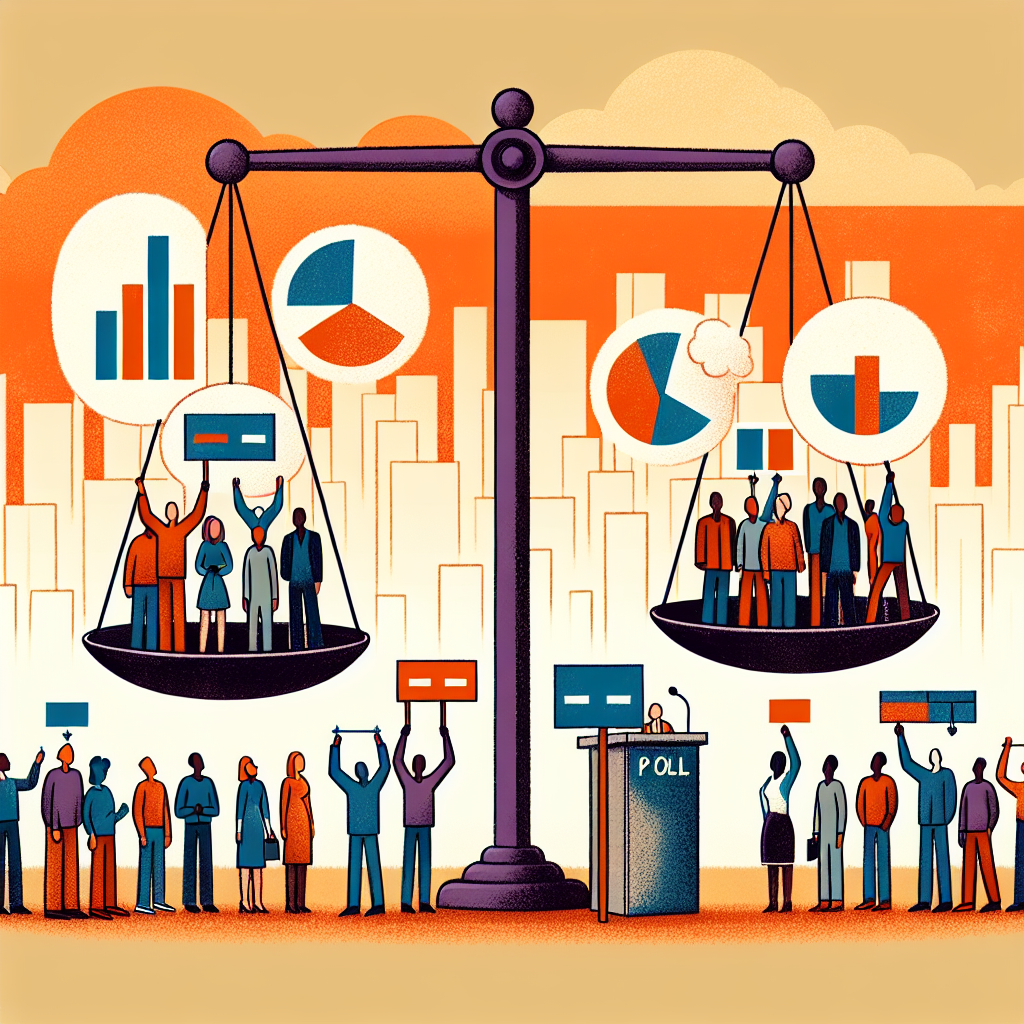
In the digital age of 2025, polling has become an indispensable tool for understanding voter sentiments and expectations. With the advent of new technologies and methodologies, polling influences the electoral landscape significantly. From shaping party strategies to influencing media coverage, polling serves as a mirror, reflecting the collective mood of the electorate. As political landscapes evolve, so do the techniques and interpretations of polling data, which are essential for candidates and parties aiming to connect with voters effectively.
The Importance of Accurate Polling Data
Accurate polling data plays a crucial role in shaping voter expectations. In an era where misinformation can spread rapidly, reliable polls provide a factual basis for understanding public opinion. Polls are not only a snapshot of current preferences but also serve as forecasts for election outcomes. The accuracy of polling can influence campaign strategies, funding allocations, and even voter turnout. For instance, in the 2024 presidential election, candidates relied heavily on real-time data from polls to adapt their messages and reach undecided voters, showcasing how critical accurate polling is in shaping electoral outcomes.
Polling methodologies have advanced significantly since previous elections. In 2025, traditional telephone surveys have been supplemented by online and mobile polling, allowing for a more diverse demographic representation. This increased reach has helped captivate those who might have otherwise been underrepresented in previous polls, including younger voters and minority groups. Accurate polling data now plays a pivotal role in ensuring that all voices are heard, thus shaping more comprehensive voter expectations and needs.
Polls as Predictors of Electoral Trends
Polling can serve as sophisticated predictors of electoral trends, guiding both voters and political parties in their strategies. As we dive deeper into election cycles, polls help identify key issues that resonate with the electorate. From inflation concerns to climate change, the issues prioritized by voters can shift based on polled data. In 2025, a noticeable increase in polling about economic concerns has shaped party platforms, pushing candidates to respond to voter sentiment more proactively.
Additionally, tracking poll results over time can reveal shifts in voter allegiance, allowing parties to pivot their messages accordingly. For example, data from polls conducted in early 2025 indicated a growing disenchantment with certain party lines on economic policies. As a result, candidates rapidly adjusted their narratives to resonate with voter priorities, demonstrating how polling informs not just current perceptions but future campaign strategies. Understanding how these trends unfold is crucial for both political analysts and voters.
The Psychological Impact of Polling on Voter Behavior
Polling is not just about numbers; it has a profound psychological impact on voter behavior. Voters often look to polls to gauge the viability of candidates. High polling numbers can create a sense of momentum for a candidate, leading to what is known as the “Bandwagon Effect,” where voters support a seemingly winning candidate. This phenomenon was evident in the 2024 midterm elections, where candidates with favorable poll standings experienced an increased influx of donations and volunteer support, further amplifying their campaign efforts.
Moreover, polling results can create a sense of urgency among voters. When polls indicate a tight race, they can motivate individuals to participate in the electoral process more actively. In 2025, numerous campaigns have utilized polling data to foster a sense of urgency, encouraging hesitant voters to engage and cast their ballots. This strategic use of psychological insights derived from polling reinforces the importance of contextualizing poll data within ongoing electoral narratives.
The effect of polling on voter expectations can also lead to disillusionment, especially when the results do not match the final outcomes. Discrepancies can foster doubt and cynicism among voters, contributing to lower turnout rates and electoral disengagement. Addressing these disillusionments has become paramount for political entities and civic organizations aiming to boost engagement, highlighting the critical need for transparency and education surrounding poll interpretation.
The Role of Polling in Media Coverage and Public Discourse
Polling plays a crucial role in shaping media narratives and public discourse surrounding elections. Media outlets often rely on polling data to create narratives that define the election landscape, influencing what issues are highlighted and how candidates are portrayed. For example, in the lead-up to the 2025 elections, media coverage has frequently drawn on polling data to spotlight electoral trends, candidate approvals, and voter priorities, subsequently shaping the conversations that unfold in public discourse.
Furthermore, media framing of polling data can influence public perception of candidates. Positive coverage of a candidate’s polling surge can enhance their credibility, while a decline in support can be framed negatively, impacting voter perception. In 2025, this relationship between polling and media became increasingly pronounced as partisan news organizations interpret polling data to align with their ideological stance, complicating the landscape for voters seeking unbiased information.
In the era of social media, the viral dissemination of polling data can amplify misinformation and create echo chambers that misrepresent the true state of candidate viability. Fostering media literacy among the electorate is essential in navigating this complex web of information and misinformation. As more voters rely on social media for news, understanding the impacts of polling on media narratives becomes vital for informed decision-making.
The Future of Polling: Innovations and Challenges
Looking ahead, the future of polling faces both exciting innovations and significant challenges. Advances in technology and data analytics present unique opportunities for improving the accuracy and inclusivity of polling. In 2025, many polling organizations are adopting artificial intelligence and machine learning techniques to analyze data trends more deeply and predict voter behavior more effectively. These innovations facilitate a better understanding of voter sentiment, enabling campaigns to fine-tune their messages to resonate more profoundly with their target audiences.
However, challenges persist in the realm of polling, especially concerning trust and reliability. With the proliferation of fake news and the spread of misinformation, the credibility of polls is often questioned. Electorate fatigue from the constant barrage of polls may diminish their impact, making it essential for pollsters to engage in transparent practices and uphold rigorous methodological standards. Building trust in polling remains critical for future electoral cycles and for shaping a healthy democratic process.
As the electoral landscape evolves, ensuring that polling remains relevant and accessible will be paramount. Efforts must focus on increasing participation from diverse demographic groups, particularly those historically marginalized in the polling process. Innovations in polling methodologies must prioritize inclusivity, ensuring all voices contribute to shaping voter expectations and the electoral outcome.
Conclusion
Polling plays an indispensable role in shaping voter expectations, offering insights into public sentiment that impact campaigns, media narratives, and voter behavior. As we navigate the complexities of electoral politics in 2025, the need for accurate and reliable polling data has never been more critical. The interplay between polling, media coverage, and public discourse emphasizes the importance of understanding these dynamics for informed democratic participation. Moving forward, addressing the challenges and embracing the innovations in polling will be essential in cementing its role as a cornerstone of the electoral process.
FAQs
What is the purpose of polling in elections?
Polling serves to gauge public opinion on candidates, issues, and voter preferences, aiding campaigns in strategy development and voter engagement initiatives.
How do polling results impact voter expectations?
Polling results can shape perceptions of candidate viability, influence media narratives, and motivate voter participation, all of which contribute to shaping overall voter expectations.
What methodologies are used in modern polling?
Modern polling utilizes various methodologies, including telephone surveys, online polls, and mobile polling, often leveraging data analytics and machine learning for deeper insights.
Why are polling discrepancies concerning for voters?
Discrepancies between polling predictions and actual election outcomes can foster disillusionment and cynicism among voters, potentially impacting future electoral engagement.
How can I interpret polling data accurately?
To interpret polling data accurately, consider the methodology used, the sample size, the margin of error, and how the data has been reported in the media.
What are the future trends in polling?
Future trends in polling include greater reliance on technology and data analytics, increased inclusivity in sampling, and the need for transparency to maintain trust in polling integrity.