The Role of Social Media in Shaping Modern Political Campaigns


Introduction
In recent years, social media has transcended its original purpose of connecting friends and families, transforming into a critical tool for political engagement and campaigning. As we find ourselves in 2025, the role of social media in shaping modern political campaigns cannot be overstated. It has revolutionized how candidates communicate with the electorate, allowing for real-time engagement and targeted messaging. This article delves deep into the various facets of social media’s influence on contemporary political campaigns, exploring its implications, strategies, challenges, and the future landscape of political discourse.
Understanding the Evolution of Political Campaigns
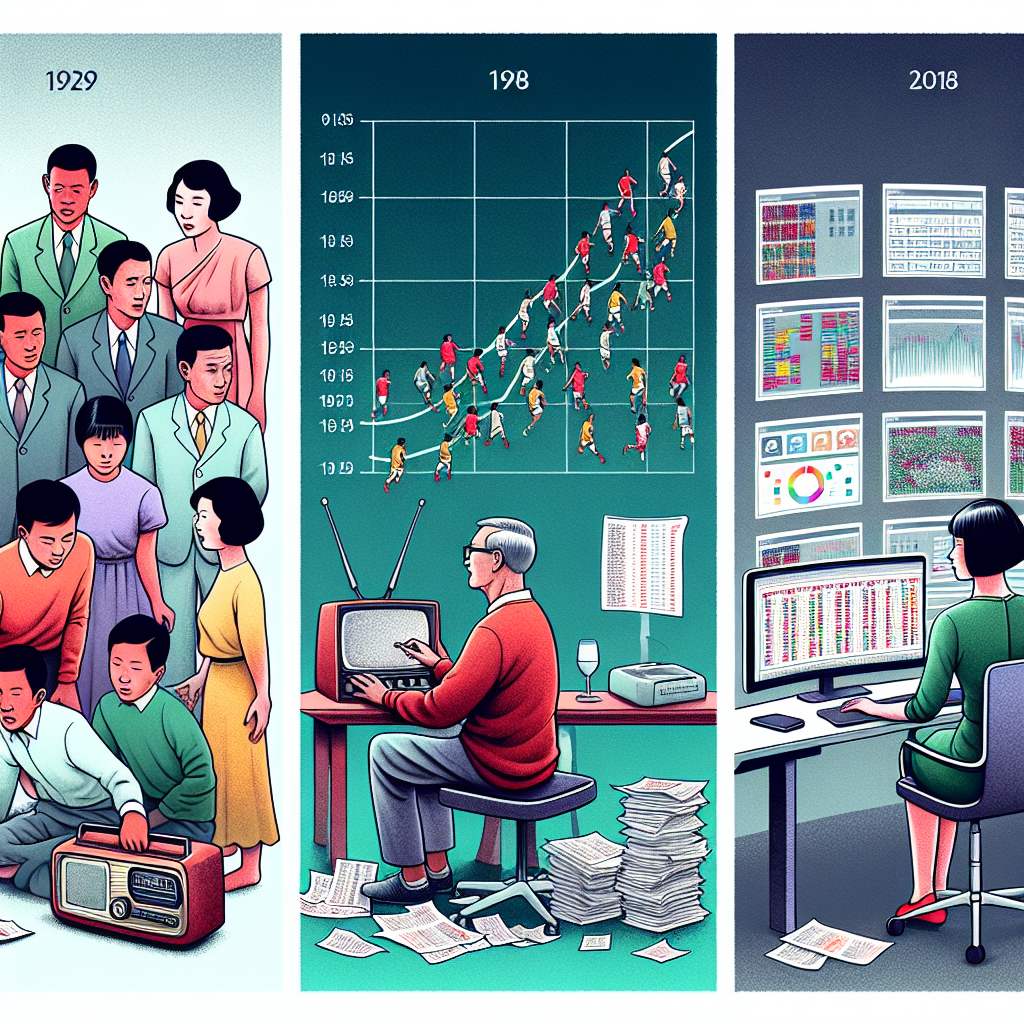
The history of political campaigning has undergone significant transformations, especially with technological advancements. Initially, political campaigns centered on traditional media platforms like newspapers, radio, and television, offering limited engagement and interaction levels between candidates and voters. However, the rise of the internet in the late 1990s and the subsequent emergence of social media platforms in the early 2000s have redefined this dynamic. By 2025, it is evident that social media is no longer an ancillary tool; it is a central pillar of political strategy.
Social media platforms like Twitter, Facebook, Instagram, and TikTok have evolved into powerful communication channels where political narratives can be constructed and disseminated. The immediacy and viral nature of these platforms allow candidates to respond to events, issues, and controversies in real-time, shaping public perception instantaneously. For instance, tweets from candidates or campaign teams can spark conversations, fuel debates, and even instigate trending hashtags, all of which can significantly affect voter opinions and behavior.
The Strategies Behind Social Media Campaigning
Crafting a social media strategy is pivotal for modern political campaigns, as it involves understanding the audience’s preferences, behaviors, and demographics. By 2025, candidates employ sophisticated data analytics and artificial intelligence to target specific voter segments with tailored messages. This micro-targeting allows campaigns to engage voters on a personal level, addressing their unique concerns and aspirations. The use of targeted ads, influencer partnerships, and content marketing has become standard practice to maximize outreach and engagement.
Moreover, the effectiveness of visual content cannot be overlooked. Infographics, videos, and memes are crafted to resonate emotionally with the audience, making complex political messages more digestible. As attention spans dwindle, effective social media campaigns capture voters’ attention with creative and engaging content that can go viral. The importance of consistency in messaging across all platforms ensures that voters receive a coherent message, reinforcing the candidate’s brand and values.
The Impact of Social Media on Voter Engagement
Social media has dramatically changed how voters engage with political content, facilitating a more participatory democratic process. In 2025, voters have access to a wealth of information at their fingertips, enabling them to research candidates and issues in-depth. Platforms allow for two-way communication; voters can ask questions, voice concerns, and participate in discussions about political issues that matter to them. This increased accessibility empowers citizens, making them feel more connected to the political process—a stark contrast to the top-down approach of traditional electoral systems.
Moreover, social media amplifies grassroots movements and mobilizes voter turnout. Citizens can organize events, share information about polling places, and create awareness campaigns that resonate on a local and national scale. The impact of civic engagement through social media was notably witnessed during the midterm elections in 2024, where record numbers of young voters turned out, attributed in part to effective social media campaigns encouraging participation. In this context, platforms serve not only as advertising tools but also as catalysts for social change.
The Challenges of Social Media in Political Campaigning
While the advantages of social media are significant, numerous challenges accompany its use in political campaigns. One of the most pressing concerns in 2025 remains the spread of misinformation. The rapid dissemination of false information can distort public opinion and undermine the integrity of the electoral process. Political entities must now contend with the challenge of verifying information while simultaneously engaging in the discourse. The role of social media companies in regulating content remains contentious, with debates surrounding free speech and censorship at the forefront.
Privacy and data security concerns have also risen, as campaigns utilize extensive voter data to craft personalized content. The backlash against data breaches and questionable data collection practices has led to calls for stricter regulations and transparent practices within political advertising. In an era where trust in institutions is waning, campaigns must tread carefully to maintain credibility while utilizing advanced analytics in their outreach efforts.
The Future of Social Media in Political Campaigns
As we move further into 2025, the future of social media in political campaigns will likely be shaped by technological innovations and evolving voter expectations. Increasingly, campaigns will integrate virtual and augmented reality experiences to create immersive environments that engage voters more deeply than ever before. This could allow candidates to present their policies in unprecedented ways, making the political process more interactive and engaging for the electorate.
Additionally, the shift toward decentralized social media platforms is gaining momentum, which could challenge traditional algorithms and create new opportunities for organic engagement. In a landscape where users seek authenticity, candidates may find that grassroots campaigns leveraging unconventional tools yield significant results. The increasing focus on ethical campaigning and truthful engagement will likely become essential as voters demand transparency and integrity from their candidates.
Conclusion
In conclusion, the role of social media in shaping modern political campaigns is profound and multifaceted. From revolutionizing engagement and communication strategies to presenting ethical challenges and opportunities, social media has transformed the entire political landscape. As we navigate through 2025, understanding and adapting to these dynamics will be crucial for candidates looking to connect with today’s voters effectively. The interplay between technology and politics will continue to evolve, and those who harness the power of social media ethically and innovatively will lead the charge toward a more engaged and participatory democratic process.
FAQs
How has social media changed voter engagement in political campaigns?
Social media has transformed voter engagement by facilitating real-time interaction between candidates and voters, enabling grassroots movements, and providing platforms for civic discourse, resulting in higher participation and awareness among citizens.
What are the risks associated with social media campaigning?
The primary risks include the spread of misinformation, data privacy concerns, and the potential for voter manipulation through targeted advertising. Addressing these risks requires transparency and ethical practices in political campaigning.
What future trends can we expect in political campaigns related to social media?
Future trends may include the use of virtual and augmented reality for immersive campaign experiences, increased emphasis on ethical digital practices, and the rise of decentralized platforms that could redefine how candidates engage with voters.