The Role of Women in American Politics: Progress and Challenges

Introduction
The role of women in American politics has undergone significant transformation over the past century, evolving from mere participation to influential leadership. As of 2025, women occupy more important political positions than ever before, marking a notable advancement towards gender equality in governance. Despite these strides, challenges remain that hinder full representation and equity in political decision-making. In this article, we will explore the progress and challenges encountered by women in American politics, assessing their impact and the ongoing journey toward true equality.
Historical Context of Women in American Politics
Historically, women’s involvement in American politics was minimal, restricted by cultural norms and legal barriers. The suffrage movement, which culminated in the passage of the 19th Amendment in 1920, marked a pivotal moment in American history, granting women the right to vote. This victory laid the groundwork for future generations, inspiring women to pursue not only electoral participation but also candidacy for public office. The mid-20th century saw the emergence of figures like Eleanor Roosevelt, who defined a new era for women in political life. As an advocate for social justice and human rights, her legacy helped shift societal views regarding women’s roles in governance.
The late 20th century was characterized by increased participation, notably through the women’s liberation movement of the 1960s and 1970s, which pushed for equal rights and opportunities in various sectors, including politics. By the 1990s, women began serving in significant political roles, with figures such as Carol Moseley Braun, who became the first African American woman elected to the U.S. Senate in 1993. The entry of women into political offices marked progress in breaking the glass ceiling, setting a precedent that would inspire a new generation of female leaders.
Contemporary Women’s Political Representation
As of 2025, women have achieved unprecedented levels of representation in American politics. According to the Center for American Women and Politics, women currently constitute over 30% of the U.S. Congress, reflecting a gradual but significant increase from previous decades. In addition, women of color are making notable inroads, with figures such as Kamala Harris, who continues to serve as Vice President, and new faces emerging as governors and congressional representatives. This surge in representation is not just a win for women; it enriches the political landscape by incorporating diverse perspectives and experiences into legislative processes.
The participation of women in local and state politics has also increased dramatically. Women now hold pivotal roles in previously male-dominated spaces such as city councils and state legislatures across the nation. Their growing presence is often linked to grassroots movements and the mobilization of organizations such as EMILY’s List and VoteRunLead, which focus on recruiting and supporting female candidates. Nevertheless, while progress is evident, many systemic challenges persist, including campaign financing disparities and societal biases that deter women from pursuing political office.
Challenges Faced by Women in Politics
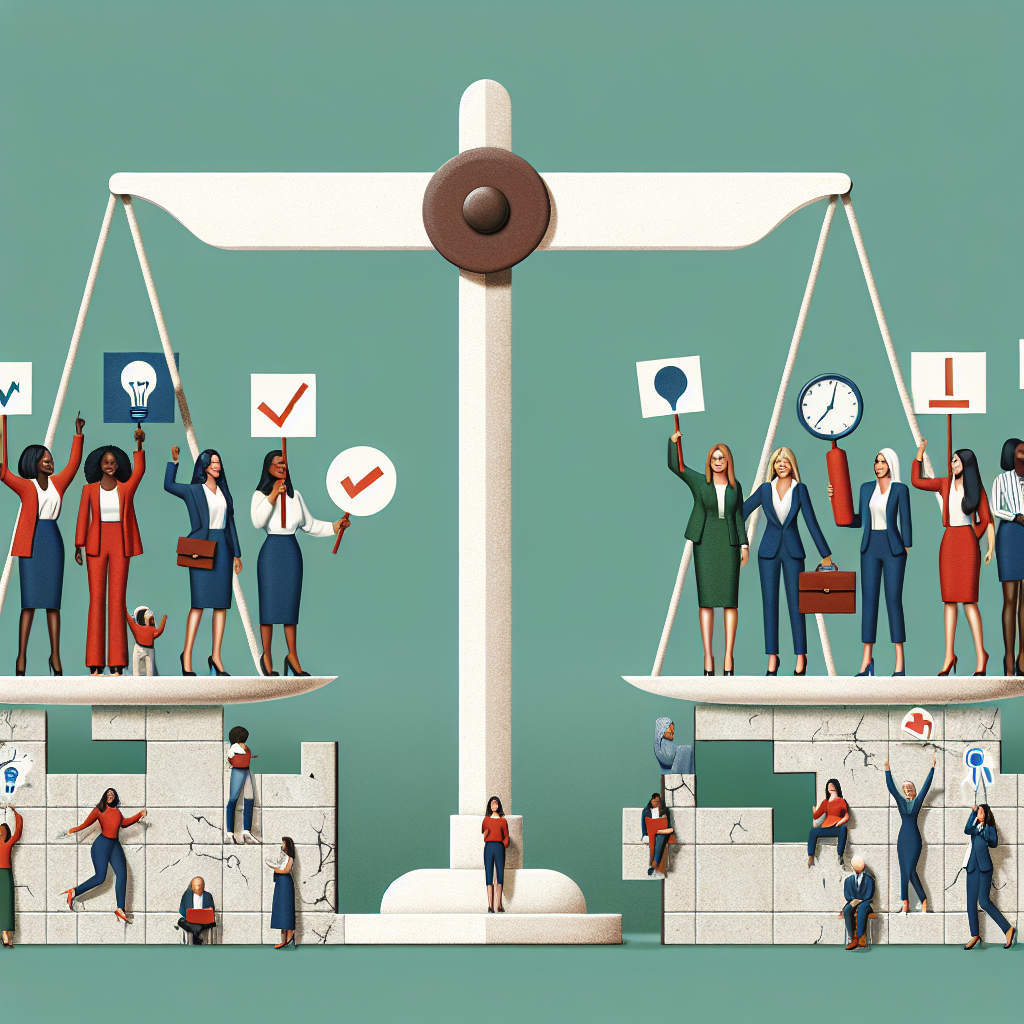
Despite the advancements achieved, women in American politics still encounter several challenges that impede their full participation. One of the foremost issues is the persistent gender bias that affects both voter perception and candidate viability. Research indicates that female candidates often face skepticism about their qualifications and leadership capabilities compared to their male counterparts. This bias can manifest through both overt and subtle forms, funneling public support towards male candidates even when women possess equal or superior qualifications.
Additionally, the financial barrier to entry in politics remains a significant hurdle. Campaigning in the digital age requires substantial funding for outreach, advertising, and staff, and women generally have less access to networks of affluent donors and established political connections. Although many organizations focus on overcoming this obstacle by providing training and fundraising assistance, the financial landscape of political campaigns still favors candidates with existing wealth or connections. This financial divide amplifies barriers to entry, particularly for women from underrepresented backgrounds.
Finally, issues of work-life balance continue to pose significant challenges for women in politics. The demanding nature of political careers often clashes with societal expectations surrounding familial roles and caregiving, which disproportionately fall on women. As a result, many potential female candidates face difficult choices that may discourage them from running for office. The lack of supportive structures, such as flexible work arrangements or comprehensive childcare services, further complicates the situation, making it essential for political institutions to evolve in order to facilitate greater female participation.
The Impact of Intersectionality in Women’s Political Participation
The role of intersectionality is crucial when discussing women’s participation in American politics. Acknowledging that women’s experiences are shaped by factors such as race, ethnicity, sexual orientation, and socio-economic status highlights the diverse barriers faced by different groups. Women of color, particularly African American, Latina, and Indigenous women, often navigate additional layers of discrimination that hinder their ability to engage in politics. Their representation is critical not only for their communities but also for creating policies that address multifaceted social injustices effectively.
In recent years, the increasing visibility of intersectional feminism has empowered many women to ensure that their voices and concerns are integrated into broader political discourse. Movements like Black Lives Matter and the Women’s March have encouraged women from various backgrounds to rally around issues such as racial injustice, reproductive rights, and economic equity. This collective action has amplified calls for the inclusion of women of color in leadership roles, driving a demand for representatives who can authentically advocate for the interests of underserved communities.
Additionally, the rise of new media platforms has provided women with unique opportunities to connect with a broader audience and mobilize support. Social media campaigns can quickly bring attention to critical issues, allowing underrepresented voices to gain traction in discussions often dominated by traditional media. Women leveraging these platforms can advocate for policy changes, engage constituents, and challenge established political narratives, ultimately fostering a more inclusive political environment.
Strategies for Promoting Women’s Political Engagement
To further advance women’s political representation and engagement, a multi-faceted approach is necessary. Campaigns aimed at increasing awareness of the importance of women’s voices in governance can play a significant role. Educational initiatives that emphasize the impact of political decisions on women’s lives and the advantages of diverse representation can encourage more women to participate actively in political processes, whether through voting, campaigning, or running for office.
Mentorship programs also offer vital support for aspiring female politicians. Established female leaders can share their experiences and insights, helping to navigate the often murky waters of political careers. Organizations focusing on pipeline development can connect younger women with mentors while offering resources for skill-building in campaign strategy, public speaking, and negotiation. This support can help demystify the political process and empower more women to step into leadership roles.
Finally, collaboration among advocacy groups, political networks, and policymakers is essential for fostering an environment conducive to women’s success in politics. Implementing policies that promote gender equity, such as campaign finance reform and family-friendly work policies, would significantly reduce barriers for women in politics. Creating supportive ecosystems where women can thrive will bolster their representation and enrich the political arena overall.
Conclusion
The role of women in American politics has evolved dramatically over the last century, culminating in significant achievements by 2025. Women are increasingly visible in leadership roles and contributing to a richer political dialogue that reflects diverse perspectives. Despite these advancements, systemic challenges, including gender bias, financial constraints, and issues surrounding work-life balance, continue to impede progress. Addressing the intersectional barriers faced by various groups of women is critical to ensuring their voices are represented in governance. To create lasting change, a concerted effort is required to educate, mentor, and support women in political participation. By taking these steps, we can forge a more equitable political landscape for future generations.
FAQs
What historical milestones contributed to women’s roles in American politics?
Key milestones include the passage of the 19th Amendment in 1920, which granted women the right to vote, and significant representations in legislative bodies beginning in the late 20th century.
How have women of color impacted politics in America?
Women of color bring diverse perspectives that inform policies addressing issues affecting their communities. Their increasing representation aids in creating a more inclusive political narrative.
What challenges do female candidates face when running for office?
Female candidates often face gender bias, financial constraints, and a lack of institutional support that can impede their campaign efforts compared to male candidates.
What role does mentorship play in promoting women in politics?
Mentorship is critical as it provides aspiring female politicians with guidance, support, and valuable insights that enhance their chances of success in political careers.
How can society promote gender equality in politics?
Promoting gender equality can involve increasing awareness, creating mentorship opportunities, and implementing supportive policies that lower barriers for women in political participation.