Understanding Identity Politics in Today’s Elections

Understanding Identity Politics in Today’s Elections
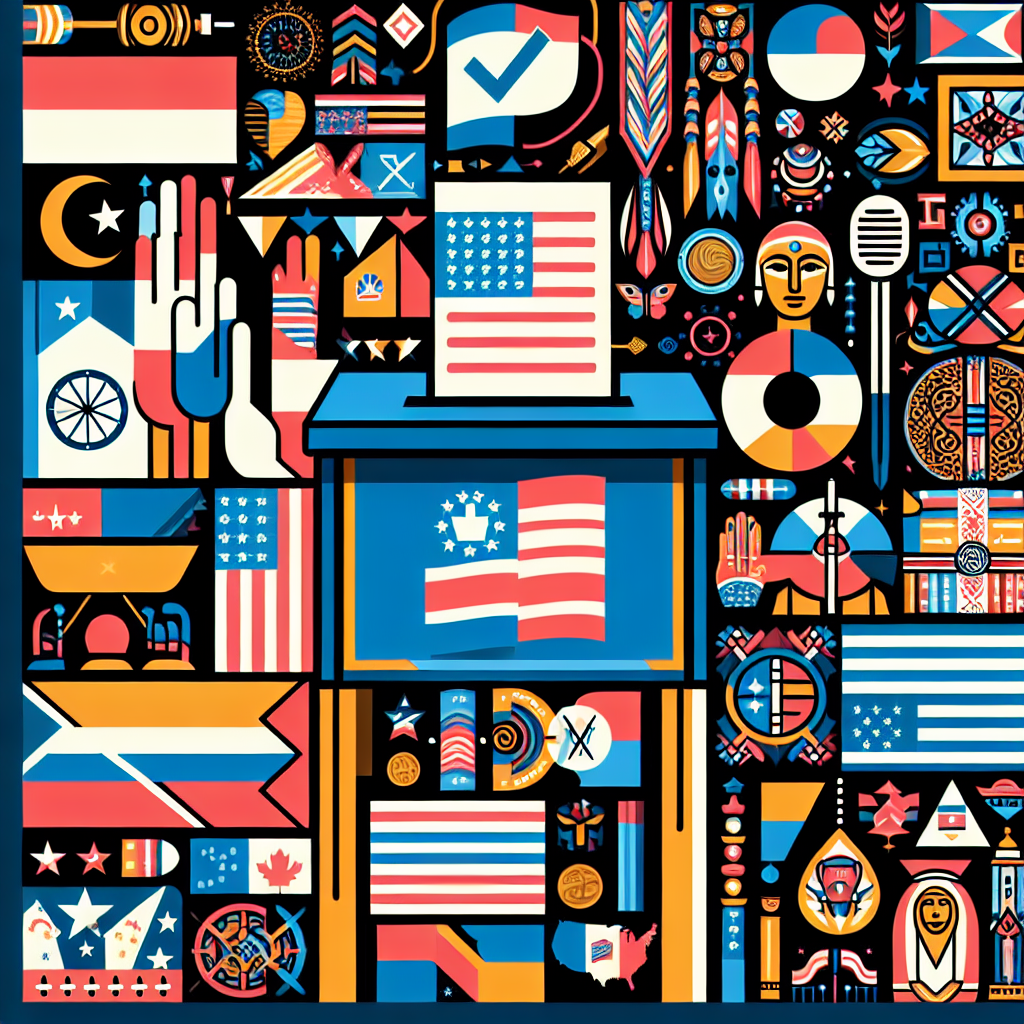
In the ever-evolving landscape of political discourse, the term “identity politics” has emerged as a significant force shaping electoral outcomes. As we delve into the implications of identity politics in the 2025 elections, we must understand how various social identities, including race, gender, ethnicity, and sexual orientation, influence voter behavior and political campaigns. This comprehensive exploration seeks to illuminate the impact of identity politics on today’s elections and the resulting shifts in voter alignments and party dynamics.
The Evolution of Identity Politics in Recent Elections
Identity politics has been around in various forms for decades, but its significance has dramatically escalated in recent years, particularly as we approach the elections of 2025. Historically, political parties have often relied on broad demographic categories to appeal to voters. However, the advent of social media and the increasing visibility of diverse narratives have shifted this dynamic. In the past few election cycles, voters have increasingly aligned themselves with candidates and parties that resonate with their unique identities and experiences.
As the 2025 elections unfold, we see that identity politics is now considered a double-edged sword. On the one hand, it empowers marginalized groups, giving them a voice in the political landscape that has been overlooked for too long. On the other hand, it risks alienating moderate voters and polarizing political discourse. Voters are more motivated than ever to support candidates who advocate for their specific interests and address the injustices they face, making identity a central tenet of campaign strategies.
The Role of Social Media in Amplifying Identity Politics
In 2025, social media platforms have become the principal battleground for identity politics. Political campaigns harness the power of social media to directly engage with voters on issues that directly affect their identities. From Instagram stories to TikTok videos, candidates are not only articulating their positions but are also showcasing their understanding and relatability to different identity groups. This newly personal touch plays a crucial role in shaping public perception and voter enthusiasm.
Moreover, social media serves as a platform for grassroots movements that can swiftly mobilize support across various demographics. The visibility that social media provides allows for grassroots organizers to form coalitions across different identity lines, thereby fostering a sense of collective agency. These online movements often translate to real-world political engagement, encouraging underrepresented groups to participate in the electoral process, thus affecting voting trends and candidate choices in the 2025 elections.
Identity Politics and the Political Landscape of 2025
The political landscape in 2025 is markedly characterized by its embrace of identity politics. Political parties are no longer monoliths; instead, they are fracturing into factions that more accurately reflect the mosaic of American identity. For instance, Democratic candidate campaigns are increasingly tailored to engage specific demographic groups, such as Millennials, Black voters, LGBTQ+ communities, and Hispanic voters. This strategy comes not only from a desire to gain votes but also from a recognition that issues affecting these groups—such as racial injustice, climate change, and healthcare—are interlinked with their experiences.
On the Republican side, identity politics manifests differently, as candidates are trying to reclaim the narrative around patriarchy and traditional values while navigating the increasingly diverse electorate. Issues such as immigration have also made identity politics a contentious battleground. Given the rise of a more diverse electorate, Republicans are tasked with balancing appealing to their base while expanding their outreach to minority groups. This balancing act has profound implications for candidate positioning, voter turnout, and overall electoral strategy.
Challenges and Critiques of Identity Politics
While identity politics has undeniably shaped the 2025 elections, it has not been without its critics. Detractors argue that emphasizing identity can lead to division and impede a universal approach to addressing systemic issues. The fragmentation of the electorate into various identity groups can create an environment where compromise and unity become challenges. Critiques emphasize that this focus can detract from class-based politics, leading to underrepresentation of economic issues that transcend identity.
Furthermore, internal conflicts among identity groups can arise as candidates prioritize specific interests over others, leading to accusations of betrayal or exclusion. This dynamic has caused rifts within movements that should otherwise work collaboratively toward common goals, such as racial equity or gender rights. As communities navigate these challenges, new coalitions are forming, but the path is fraught with complexity and skepticism about whether genuine unity can be achieved.
The Future of Identity Politics in Elections
Looking ahead to the 2026 elections and beyond, identity politics is likely to continue influencing political strategies and voter engagement. As the electorate becomes even more diverse, politicians will need to recognize that addressing the nuances of identity is essential for resonating with constituents. Candidates who succeed in this environment will be those who can offer intersectional solutions that acknowledge and account for the varying experiences of constituents.
Moreover, with ongoing advancements in technology and communication, new formats for political outreach and engagement will likely emerge. Virtual forums, augmented reality town halls, and personalized messaging powered by AI could further change how candidates connect with diverse voter groups. The politics of identity will increasingly intertwine with these technological innovations, providing both opportunities and challenges for future electoral strategies.
In summary, identity politics has irrevocably transformed the electoral landscape in 2025 and will continue to do so in the years ahead. Candidates and political parties will need to navigate this evolving terrain thoughtfully, ensuring that they hear the voices of the many while striving for a cohesive society that values cooperation and understanding.
Conclusion
As we journey through the tides of identity politics in the 2025 elections, it becomes evident that the landscape of American politics is rapidly reshaping. Identity politics has provided previously marginalized voices a platform to advocate for change, yet it has also introduced complex challenges that demand careful consideration. Understanding the dynamics of identity politics is essential for both voters and candidates alike, as they navigate the intricate intersections of race, gender, and ethnicity. The electoral process in 2025 underscores the vital importance of addressing identity while focusing on unifying solutions that promote inclusivity and social justice.
FAQs Section
What is identity politics?
Identity politics refers to political positions based on the interests and perspectives of social groups with which individuals identify. It often involves a focus on issues related to race, gender, sexual orientation, and other social identities.
How has identity politics influenced recent elections?
Identity politics has significantly impacted recent elections by shaping voter alignment and candidate strategies. Candidates are now tailoring their messaging to resonate with specific demographic groups, addressing issues that matter to them directly.
What are the criticisms of identity politics?
Critics argue that identity politics can lead to division and fragmentation within the electorate. They also contend that a focus on identity may overshadow class-based issues and inhibit broader social movements aimed at systemic change.
How do social media platforms affect identity politics?
Social media amplifies identity politics by allowing candidates and grassroots movements to engage with diverse voter groups directly. It facilitates important conversations around identity and provides a platform for marginalized voices to unite and mobilize.
What is the future of identity politics in American elections?
The future of identity politics is likely to involve an increasing focus on diverse identities and intersectionality in political campaigning. As electoral demographics continue to change, candidates will need to adapt their strategies to address the unique experiences and concerns of various social groups.