Understanding the Ethics of Political Scandals: A Legal Perspective on Accountability
Understanding the Ethics of Political Scandals: A Legal Perspective on Accountability
Political scandals have become a hallmark of contemporary governance, captivating public attention and igniting heated debates about ethical responsibility and legal accountability. As we navigate through an increasingly complex political landscape in 2025, understanding the ethics surrounding these scandals is more crucial than ever. This article delves into the intricate intersection of legal principles and ethical norms that govern political conduct, exploring the implications of scandals on public trust, accountability, and the rule of law.
The Nature of Political Scandals and Their Ethical Implications
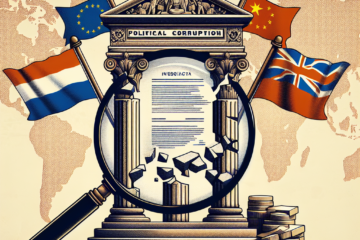
Political scandals often arise from actions that are legally permissible but ethically questionable. In 2025, as seen in recent controversies such as the corruption allegations against several high-profile politicians, the line between legality and morality becomes blurred. Generally, these scandals encompass various realms, including corruption, misuse of power, and unethical behavior. The repercussions for public officials can be severe—ranging from loss of office to imprisonment—highlighting the need for stringent ethical standards to guide behavior in political spheres.
The ethical implications stem from a fundamental expectation of integrity in public service. When politicians betray the public’s trust, they undermine democratic principles and the social contract that binds citizens to their representatives. This betrayal not only affects the individual’s career but can also lead to widespread disillusionment among constituents. The trend observed in 2025 indicates an increasing demand for transparency and accountability in political actions, reinforcing the idea that ethical governance is critical for sustaining democracy.
The Legal Framework Surrounding Political Accountability
The legal framework that governs political accountability is multifaceted, comprising various statutes, regulations, and court interpretations aimed at ensuring ethical conduct among public officials. In 2025, several jurisdictions have taken proactive steps to strengthen their legal frameworks. For instance, the implementation of stricter campaign finance laws and transparency requirements is designed to deter unethical behavior by making financial dealings more visible to the public. This proactive legal approach establishes a benchmark for ethical behavior, thus attempting to bridge the gap between law and ethics.
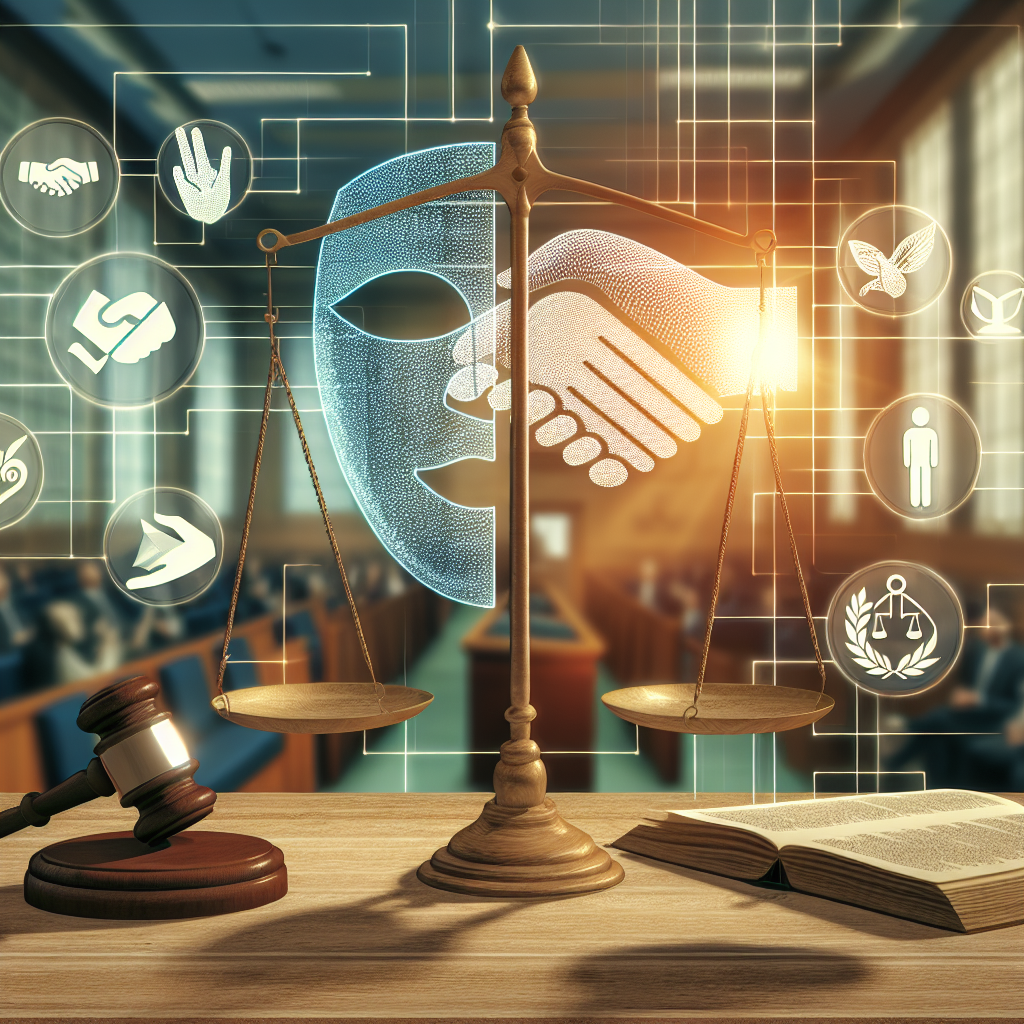
Moreover, the role of independent bodies, such as ethics commissions and ombudsmen, has expanded significantly. These entities play a crucial role in investigating allegations of misconduct and enforcing ethical standards. The legal perspective on accountability emphasizes the importance of having mechanisms in place to not just accuse but also to fairly adjudicate claims against public officials. This proactive legal oversight is critical in maintaining the integrity of the political system in 2025, as it serves to uphold the ethical expectations of voters.
Public Perception: The Impact of Scandals on Trust and Governance
Public perception plays a pivotal role in shaping the consequences of political scandals. In 2025, studies reveal a significant correlation between political scandals and dwindling public trust in governing institutions. When politicians engage in unethical conduct, the ensuing scandals often lead to a loss of faith among constituents, who begin to question not only the integrity of those involved but also the political system as a whole. This erosion of public trust can have detrimental effects on voter participation, civic engagement, and overall democratic health.
Furthermore, political scandals create a cultural environment where ethical dilemmas become central issues in political discourse. Negative media coverage can amplify public outrage, resulting in heightened demands for accountability and reform. The fallout from scandals often leads to legislative changes aimed at preventing future misconduct, demonstrating how public perception can directly influence governance. In 2025, it is evident that the public’s reaction to political scandals is a vital catalyst for reform and can prompt a reconsideration of ethical standards within political institutions.
The Role of Media in Shaping Ethical Accountability
The media serves as a critical watchdog, playing an essential role in uncovering political scandals and holding public officials accountable for their actions. In 2025, with the rise of digital journalism and social media, information spreads quickly and broadly, placing significant pressure on politicians and institutions to act transparently. The media not only informs the public about scandals but also shapes the narrative surrounding these issues, influencing moral perceptions and societal responses.
Additionally, the evolution of investigative journalism has proven vital in exposing unethical practices and fostering a culture of accountability. Reporters often invest considerable resources into uncovering the truth behind political scandals, revealing malfeasance that would otherwise remain hidden. In an age where misinformation can proliferate as quickly as verified information, the ethical responsibilities of the media have never been more significant. The need for rigorous standards in journalism helps ensure that public officials are scrutinized fairly, contributing to a more accountable political framework.
Legislative Responses and Future Outlook
The response to political scandals within legislative bodies continues to evolve as lessons are learned from past events. In 2025, various states have implemented reforms, such as enhancing whistleblower protections and increasing penalties for political corruption. These legislative responses are designed to deter unethical behavior by making the consequences clearer and more severe. They reflect a growing recognition that accountability cannot solely rest on public sentiment; rather, it requires a robust legal framework that actively discourages misconduct.
Moreover, the future outlook for addressing political scandals indicates a trend towards greater citizen involvement in ethical governance. With the rise of digital platforms that facilitate grassroots advocacy, voters are now more equipped to demand accountability from their elected officials. Initiatives such as recall efforts and participatory budgeting demonstrate how civic engagement can influence legislative reforms aimed at curbing unethical behavior. By fostering a culture of active participation, citizens can contribute to shaping ethical standards and legal frameworks that govern political accountability moving forward.
Conclusion
In summary, understanding the ethics of political scandals from a legal perspective reveals a complex landscape that is critical to the functioning of any democratic society. As we observed in 2025, the interplay between ethical behavior and legal accountability underscores the importance of integrity in public office. From uncovering scandals through media vigilance to implementing robust legislative responses, every element plays a role in shaping public trust and accountability. Future efforts must continue to bridge the divide between ethical principles and legal ramifications to ensure that political scandals do not undermine democratic governance.
FAQs
What defines a political scandal?
A political scandal is generally defined as an event involving allegations of unethical or illegal behavior by a public official or government entity that undermines public trust and raises concerns about integrity.
How do political scandals affect public trust?
Political scandals severely impact public trust by creating doubt about the motives and integrity of elected officials, which can lead to disengagement from the political process and lower voter turnout.
What legal measures are in place to combat political corruption?
Legal measures to combat political corruption include campaign finance laws, transparency regulations, and the establishment of ethics commissions and watchdog organizations to oversee the conduct of public officials.