Understanding the Impact of Political Debates on Voter Turnout
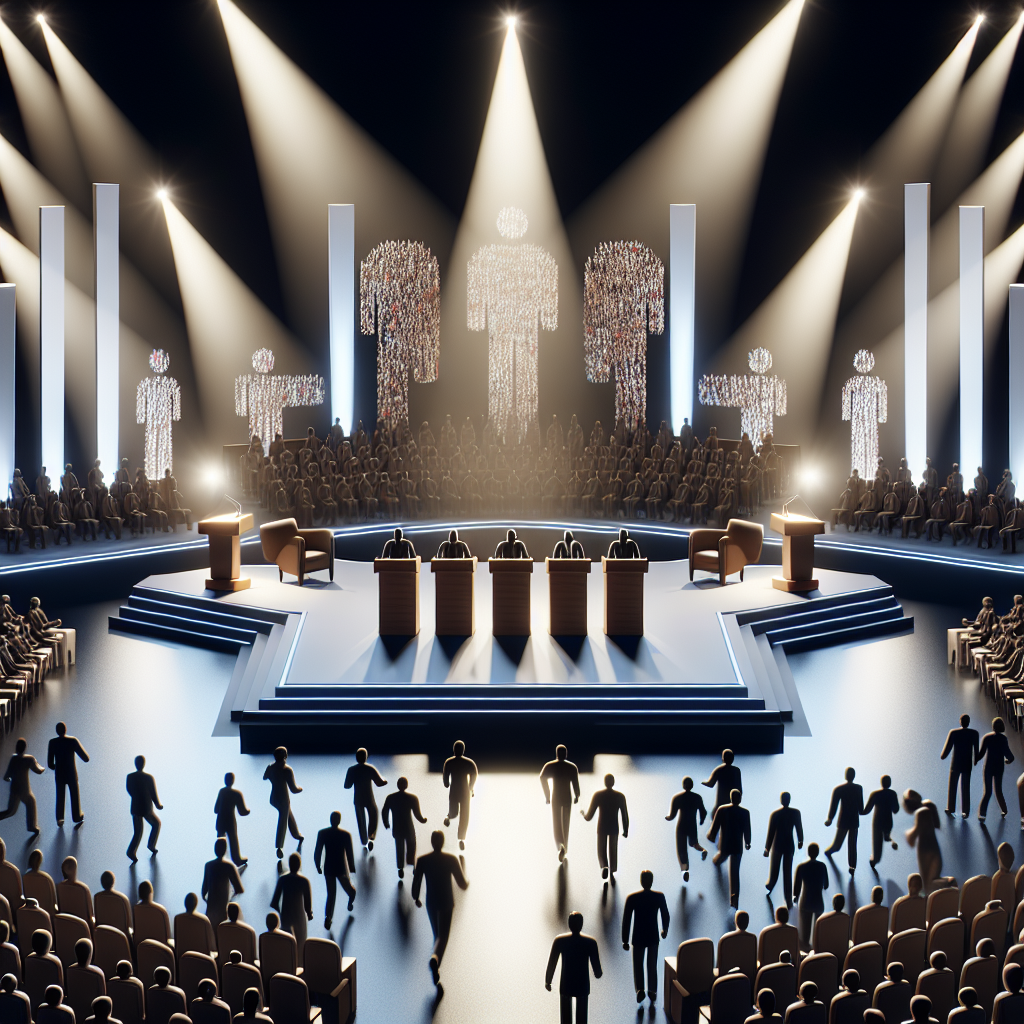
Understanding the Impact of Political Debates on Voter Turnout
Political debates have long been a staple of electoral campaigns, offering candidates a platform to robustly discuss their positions and influence voter opinions. Particularly in the context of the 2025 elections, the significance of these debates cannot be overstated. With increasing technological advancements and heightened political engagement among the electorate, understanding the impact of political debates on voter turnout is more crucial than ever. This comprehensive article unpacks the multifaceted relationship between political debates and voter behavior, delving into how debates can sway public perception and mobilize electoral participation.
The Role of Political Debates in Shaping Voter Perceptions
Political debates serve as pivotal moments during electoral campaigns where candidates are placed under intense scrutiny regarding their policies, values, and overall capability to lead. The format of these debates—ranging from town halls to televised face-offs—allows voters to directly compare candidates in real-time, fostering informed decision-making. In the 2025 elections, where issues such as climate change, economic policy, healthcare, and social justice dominate discourse, debates are crucial platforms for candidates to clarify their stances.
Furthermore, debates can effectively shape voters’ perceptions by highlighting candidates’ contrasting visions for the future. Research suggests that voters often report forming their opinions based on how well candidates perform, communicate, and connect with the audience. The impact of body language, confidence, and charisma often plays into whether a candidate resonates positively or negatively with potential voters. As the political landscape evolves, especially with an increasing digital footprint, the influence of debates on forming perceptions is likely to become more pronounced.
The Psychological Impact of Debates on Voter Turnout
Understanding the psychological impact of political debates sheds light on the dynamic interplay between candidate performance and voter motivation. Social psychology suggests that voters are not only swayed by the content of debates but also by their emotional reactions and the narratives constructed around candidates. Positive performances can lead to increased enthusiasm among supporters, potentially enhancing voter turnout by galvanizing previously apathetic voters.
In 2025, the emotional rhetoric employed during debates, especially concerning polarized issues, has evolved dramatically. Influential moments during these debates can trigger strong emotional responses that translate into action, particularly among younger voters. Engaging narratives, compelling rebuttals, and strategic framing of issues can motivate voters to participate, making debates a crucial factor in increasing electoral engagement.
Media Coverage and Its Influence on Voter Mobilization
Media plays an essential role in amplifying the impact of political debates on voter turnout. The framing and commentary provided by news outlets shape public discourse and narrative surrounding candidates and their platforms. In a highly connected 2025 media landscape, where social media plays an integral role, the coverage of debates can stir significant voter interest and facilitate discussions among peers.
Moreover, the instantaneous nature of news dissemination means that key moments and quotes from debates can go viral, sparking wider conversations that engage uninformed or undecided voters. The extent to which debates are discussed in mainstream media, especially among younger demographics, can directly correlate with increased turnout. When voters perceive that candidates’ debates engage pressing issues pertinent to their lives, they are more likely to feel motivated to vote.
In this age of instant information, the analysis provided post-debate also affects voter perception. Tracking polls often reflect shifts in candidate preference immediately following debates, emphasizing the concluding impact these televised events have on mobilizing the electorate.
The Shift in Debate Formats and Voter Engagement Strategies
The format of political debates continues to evolve, impacting how voters engage with the electoral process. Traditional formats, dominated by timed responses and rigid questioning, are now being supplemented with more interactive formats. Moderator-led town halls or debates featuring audience participation not only humanize candidates but also allow voters to feel directly involved in the electoral discourse. These formats invite deeper engagement, offering opportunities for candidates to address specific voter concerns, thereby increasing the likelihood of turnout among constituents who feel their voices are being heard.
In 2025, technological advancements have further transformed debate accessibility. Livestreaming on various platforms enables broader access to political debates and allows for real-time discussion. This democratization of information enhances voter engagement, particularly among younger, tech-savvy voters who prefer consuming media through digital channels.
Additionally, campaigns have adapted their strategies to maximize engagement during this period. Increased use of social media campaigns to highlight debate moments and encourage online discussions has proven effective in mobilizing voters. This blend of traditional debate formats supplemented with modern technology is redefining how potential voters interact with the political process.
The Importance of Debates in a Polarized Political Climate
The political environment in 2025 is characterized by significant polarization, making the role of debates more salient than ever. In times of deep divides, debates can serve as a critical avenue for candidates to clearly articulate their platform and appeal to a broad range of voters. For undecided voters or those feeling disillusioned, debates can act as influential touchpoints that either reaffirm their current beliefs or shift their allegiances.
During these elections, candidates must navigate not only policy divergences but also the emotional and cultural divide present within the electorate. The effectiveness of candidate messaging during debates will significantly affect turnout, especially in key swing states where voters may feel overwhelmed by political partisanship. Engaging individuals on common interests rather than partisan stances is crucial for mobilizing a wider voter base.
Furthermore, voters increasingly seek authenticity and relatability from candidates. During debates, showcasing vulnerability, honesty, and genuine concern can resonate profoundly with voters—leading to increased turnout as individuals feel more aligned with candidates who represent their values and experiences.
Conclusion
Political debates undeniably play a pivotal role in shaping voter turnout by informing, influencing, and engaging the electorate. Their impact is multifaceted, intertwining the psychology of voters, media coverage, evolving debate formats, and the political context of polarization. As evidenced in the dynamic electoral landscape of 2025, leveraging these elements is crucial for any candidate aiming to mobilize voters effectively. Understanding the impact of debates not only helps political strategists formulate better engagement strategies but also emphasizes the importance of voter participation in a democratic society.
FAQs
How do political debates influence undecided voters?
Political debates can significantly impact undecided voters by presenting candidates’ policies and personalities in a competitive context, helping these voters to make informed choices based on performance and communication.
What elements of a debate most affect voter turnout?
Key elements include candidate performance, emotional resonance, media coverage, and the ability to connect with voters on relevant issues. These factors combined can create a compelling narrative that drives voter motivation.
Are there any statistical trends linking debates to increased voter turnout?
Yes, numerous studies indicate that well-publicized debates often lead to spikes in voter turnout, particularly among demographics that feel directly engaged or represented by the issues discussed during these events.
This information, carefully structured and rich in detail, should enhance your understanding of how political debates influence voter turnout, providing newsworthy insights relevant to the upcoming elections in 2025.