Understanding the Role of Women in Modern Politics
Understanding the Role of Women in Modern Politics
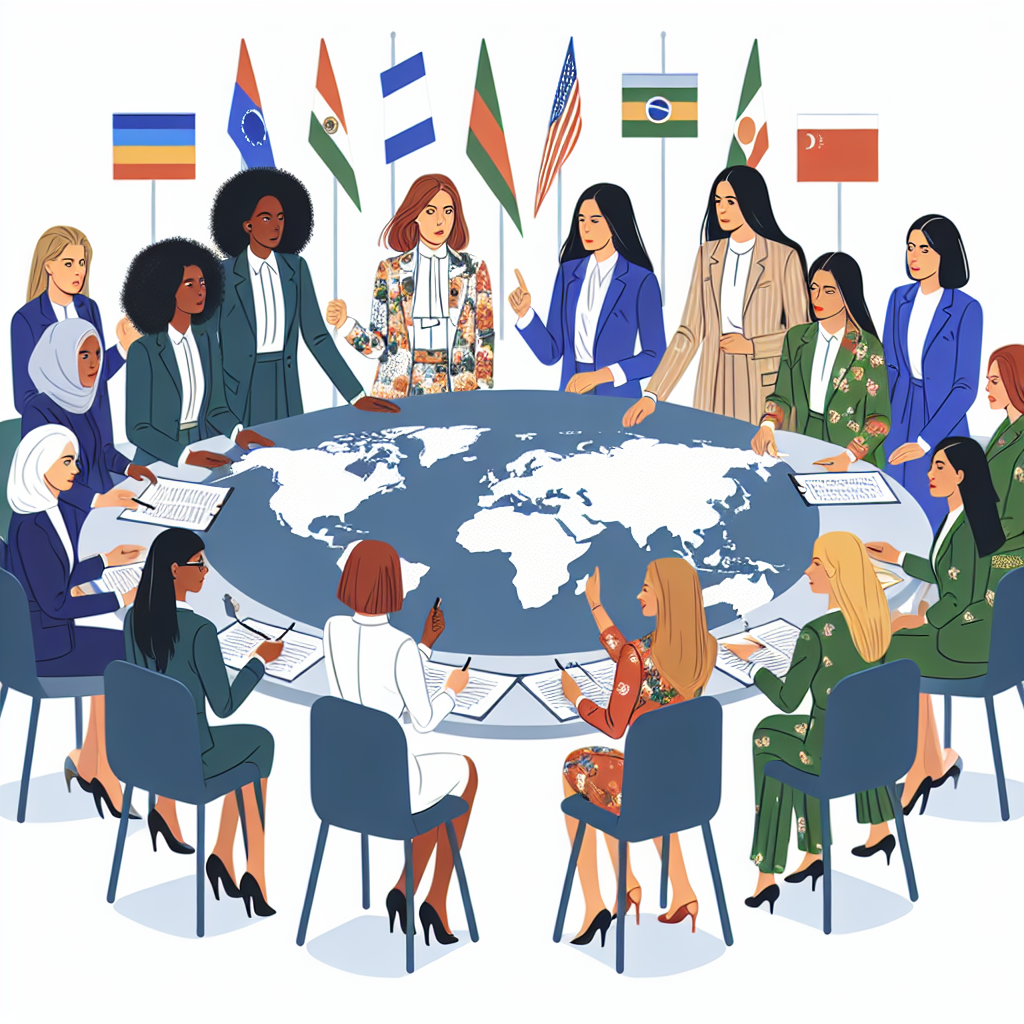
The role of women in modern politics has evolved significantly, particularly from the late 20th century into the 21st century. As we reach 2025, the active participation of women in governance, policymaking, and political leadership is more prominent than ever before. Today, women hold positions of power across various levels of government and in diverse political systems worldwide. This article delves into the complexities of women’s roles in contemporary politics, highlighting their accomplishments, challenges, and significant contributions to shaping societal policies and governance.
The Historical Context of Women’s Political Participation
To fully understand the role of women in modern politics, it is essential to trace the historical context of their political engagement. Historically, women faced considerable barriers to political participation, including lack of voting rights and representation in political systems. The suffragette movements across the globe, particularly in the early 20th century, marked pivotal moments in achieving voting rights. In countries like the United States, women secured the right to vote with the 19th Amendment in 1920, while other nations followed suit in subsequent decades.
By the late 20th century, the feminist movements had spurred broader discussions on gender equality, influencing various international frameworks, like the Beijing Declaration and Platform for Action in 1995. These events laid the foundation for increasing female participation in politics. As of 2025, numerous countries are witnessing a shift in political paradigms that prioritize women’s issues, with women leaders becoming influential figures in driving policy agendas that address social inequality, climate change, and health care reform, among other urgent issues.
Current Landscape of Women in Political Leadership
In 2025, women hold an unprecedented number of leadership positions in governments worldwide. Notably, nations like New Zealand, Finland, and Germany have seen female leaders at the helm, reflecting a growing recognition of women’s capabilities to govern. The representation of women in legislative bodies has also seen a marked increase, with many countries implementing quotas to ensure balanced gender representation. Globally, women make up about 27% of national parliaments, a significant increase from just 11% in 1995.
However, while progress is evident, challenges persist. Women leaders often face scrutiny and bias that their male counterparts do not experience. Societal expectations and entrenched gender norms can undermine their authority and limit their effectiveness. This duality of progress and challenge necessitates a concerted effort to create inclusive political environments where women can thrive without facing systemic barriers.
The Impact of Women in Political Decision-Making
The involvement of women in political decision-making processes brings diverse perspectives that enhance governance and public policy formulation. Research has shown that female politicians tend to prioritize policies related to health, education, and social welfare, making these issues more central in legislative debates. For instance, during the COVID-19 pandemic, countries led by women, such as Jacinda Ardern in New Zealand, were recognized for their effective and empathetic responses, focusing on public health first.
Furthermore, the inclusion of women in political discussions improves overall democratic health. Women tend to engage in collaborative and consensus-driven approaches to politics, fostering cooperative relationships that build trust and transparency in governance. This shift is crucial in an era where divisive politics can hinder progress on pressing global challenges like climate change and economic inequality. The active participation of women ensures a holistic approach to governance, emphasizing the necessity of diverse voices in creating impactful solutions.
Challenges Faced by Women in Modern Politics
Despite notable advancements, women in politics continue to contend with numerous challenges that may hinder their effectiveness or detour their political ambitions. One significant barrier is the overwhelming prevalence of gender-based violence and harassment in political spaces. Women, particularly in developing nations, often face threats that can escalate from rhetoric to violent attacks, discouraging them from entering or remaining in politics. This systemic violence perpetuates a culture of fear that hampers women’s political aspirations.
Additionally, the balancing act of familial responsibilities and political obligations remains a palpable challenge. Women are often expected to manage household duties while also fulfilling the demands of their political roles, which can lead to burnout or withdrawal from the political arena. Support structures, such as mentorship programs and gender-conscious policies like parental leave, are essential to empower women to pursue and sustain careers in politics.
The Future of Women in Politics
Looking ahead, the role of women in politics is poised to evolve further as more younger women engage in civic activities and political careers. The impact of digital media and social networks has given rise to new platforms for advocacy, enabling women to mobilize support and raise awareness on issues that matter to them. By 2025, these platforms have become instrumental in shaping public opinion and influencing political discourse, providing women with tools to challenge established political norms and push for greater representation.
Educational initiatives aimed at empowering young women are also critical. Programs focusing on leadership development, political literacy, and civic engagement can encourage the next generation of female leaders. Moreover, the global movement towards gender parity in political representation is likely to create more equitable systems that support and promote women’s involvement in governance.
As the political landscape continues to shift, collaboration among women’s advocacy groups, educational institutions, and political entities will be vital. This collective effort can ensure that women’s perspectives and rights remain a priority in policy discussions, ultimately leading to more inclusive and sustainable governance models.
Conclusion
The examination of women’s roles in modern politics reveals both significant progress and ongoing challenges. From historical struggles for voting rights to the rise of female leaders in 2025, the active involvement of women in governance is reshaping political paradigms worldwide. While barriers remain, particularly concerning gender-based violence and the balancing of familial obligations, the future appears promising as younger generations advocate for equitable representation and inclusive policies. The continued evolution of women’s roles in politics will ultimately contribute to more diverse and representative governance, essential for addressing the complex challenges of our time.
FAQs:
Why is women’s participation in politics important?
Women’s participation in politics is crucial for ensuring diverse perspectives in governance. Female leaders often prioritize issues that pertain to health, education, and social welfare, which leads to more comprehensive policy-making.
What are the main challenges women face in politics today?
The primary challenges women face in politics today include gender-based violence and harassment, societal expectations regarding family responsibilities, and systemic biases that can undermine their authority.
How can we support women in politics?
Support for women in politics can come through mentorship programs, advocacy for gender quotas, and initiatives aimed at raising awareness regarding the importance of women’s representation in political spaces. Additionally, addressing workplace harassment and bias is critical to fostering a supportive environment.