Uniting for Veterans: A Bipartisan Commitment to Support Those Who Served
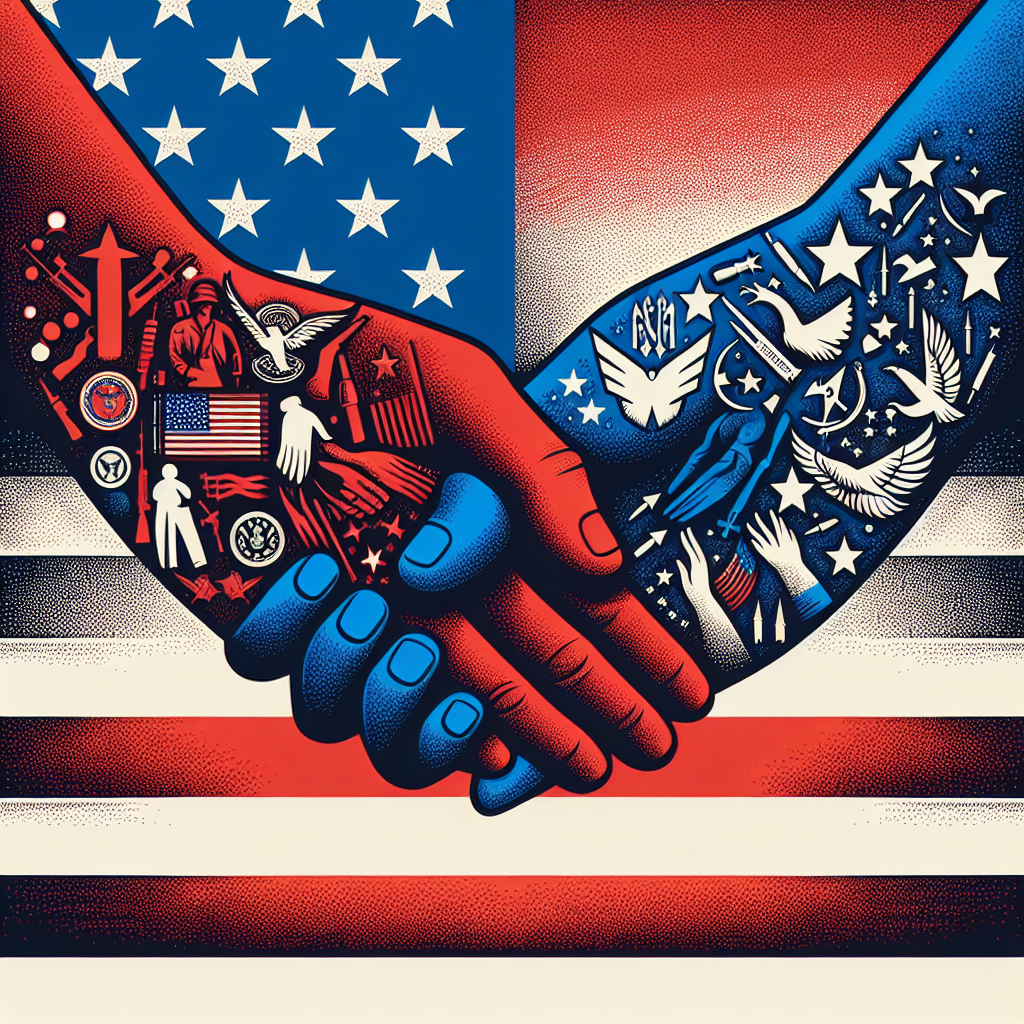
Uniting for Veterans: A Bipartisan Commitment to Support Those Who Served
The care and support of veterans have emerged as a priority across the political spectrum in 2025. In a time marked by division, there is a bipartisan commitment to ensure that the brave men and women who have served in the armed forces receive the respect, resources, and assistance they deserve. The initiative, “Uniting for Veterans,” showcases how collaboration between parties can lead to significant improvements in veteran care. In this article, we will explore the multifaceted approach being taken to support veterans and the impact of these efforts on their quality of life.
Bipartisan Initiatives for Veterans: A Unified Approach
In recent years, the political landscape in the United States has seen a shift toward collaborative efforts aimed at addressing the unique challenges faced by veterans. A number of bipartisan initiatives have been launched, resulting in tangible benefits for veterans across the nation. From healthcare reforms to educational opportunities, lawmakers from both sides of the aisle are recognizing that veterans’ support is not just a military issue; it’s a fundamental obligation that reflects our national values.
One such initiative is the expansion of the Department of Veterans Affairs (VA) services, which has become a focal point for bipartisan collaboration. Legislative measures have been enacted to streamline the claims process, reduce wait times for healthcare services, and improve mental health resources. These reforms have garnered support from both Republicans and Democrats who understand that timely access to care can be a matter of life and death for many veterans. By uniting in these efforts, lawmakers are proving that bipartisan support can lead to effective solutions that honor and uplift those who have served.
Access to Healthcare: Bridging the Gaps
Access to healthcare remains one of the most pressing issues for veterans, with many still facing significant barriers to receiving the care they need. The bipartisan commitment to veterans has led to the implementation of innovative healthcare policies that aim to enhance service availability and improve patient outcomes. One of these initiatives has been the introduction of telehealth services, which allow veterans, especially those in rural areas, to connect with healthcare providers from the comfort of their homes. This approach not only increases accessibility but also reduces the burden on VA facilities, which have often been overwhelmed by patient volumes.
Additionally, many states have taken the initiative by collaborating with local healthcare providers to offer veterans specialized programs that cater to their unique healthcare needs. This local approach often results in more personalized care, aligning treatment with the specific physical and mental health challenges that veterans face. The integration of community-based services into the VA system allows for a more collaborative care model that ultimately benefits the veterans and their families, demonstrating a powerful example of how bipartisan support can lead to actionable solutions.
Mental Health Initiatives: A Holistic Approach to Well-being
Mental health care is one of the most critical aspects of support for veterans. Acknowledging that many veterans experience post-traumatic stress disorder (PTSD), anxiety, and depression, bipartisan efforts have focused on increasing funding for mental health programs. These programs aim not only to address psychological challenges but also to foster an environment that promotes holistic well-being. In 2025, initiatives such as the establishment of peer support networks, community counseling services, and awareness campaigns have gained traction.
The importance of these initiatives cannot be overstated. Veterans often feel isolated and struggle to reintegrate into civilian life after service. By providing accessible mental health resources, including group therapy sessions led by fellow veterans, these initiatives create spaces where individuals can share their experiences, struggles, and coping strategies. Bipartisan support for these mental health initiatives signifies an understanding that addressing mental health is as crucial as physical wellness and is essential for the overall quality of life for veterans.
Moreover, the inclusion of mental health education in veteran transition programs has been another rewarding development. By equipping veterans with coping strategies and tools for managing mental health challenges, alongside practical skills for employment, lawmakers are taking a comprehensive approach to veteran support. This preparedness ensures that veterans not only survive their transition back to civilian life but thrive in their new roles as community members.
Employment Opportunities for Veterans: Creating Pathways to Success
Employment is a vital facet of veterans’ reintegration into society. The bipartisan commitment to support veterans has resulted in several programs that provide pathways to meaningful employment. These initiatives include job training programs, apprenticeships, and partnerships between the VA and private sector employers. By emphasizing the skills and experiences veterans bring to the workforce, lawmakers are pushing for policies that actively promote hiring veterans.
Veterans often have unique skill sets that make them desirable employees. Their experience in leadership, teamwork, and problem-solving are assets in any workplace. Recognizing this, both public and private sectors have launched campaigns to hire and retain veterans, creating a culture that values their contributions. Support for veteran-owned businesses has also seen a surge, with grants and financial assistance becoming more accessible. This holistic approach not only fosters economic independence for veterans but also enhances the overall economy.
In 2025, technology has played an essential role in connecting veterans with job opportunities. Online platforms tailored specifically for veterans have surfaced, allowing them to create profiles that highlight their skills and connect with employers. These digital resources have made job searches more efficient, and partnerships with tech companies are shaping a new wave of employment opportunities for veterans, proving that with bipartisan commitment, barriers can be dismantled.
Emotional and Community Support: Building Lasting Relationships
Beyond healthcare and employment, emotional and community support is essential for veterans. Recognizing the importance of maintaining strong social networks, bipartisan initiatives have focused on building community programs that encourage veterans’ involvement in social and recreational activities. Organizations across the nation are working to create an inclusive environment, fostering camaraderie and a sense of belonging among veterans and their families.
Community centers specifically designed for veterans are emerging, offering social gatherings, workshops, and family support events. Such environments help mitigate feelings of isolation and provide a space for veterans to connect with others who understand their experiences. This collective support, especially for veterans who may face challenges with reintegration, creates a strong foundation for their overall well-being.
Furthermore, the importance of family support cannot be understated. Programs dedicated to helping families adjust to life with a veteran, including support groups for spouses and children, are enhancing the community aspect of veteran care. By integrating families into the support network, these initiatives ensure that veterans have the necessary emotional backing to navigate their post-service lives successfully.
Conclusion
The “Uniting for Veterans” initiative highlights a vital aspect of American democracy: the ability to come together to support those who have selflessly served the country. Through bipartisan efforts, comprehensive healthcare, mental health programs, employment opportunities, and community support systems, significant strides have been made in enhancing the lives of veterans. These initiatives not only demonstrate a commitment to veterans but also reinforce a national responsibility to honor their sacrifices.
As we move forward, it is crucial that we maintain this bipartisan approach to veterans’ issues, ensuring that those who have served our country can lead fulfilling lives once their service has ended. The future looks promising with dedication from both sides of the aisle, and together we can create a robust support system for our veterans that reflects our gratitude and commitment to their well-being.
FAQs
What is the “Uniting for Veterans” initiative?
The “Uniting for Veterans” initiative represents a bipartisan effort to enhance support services for veterans across healthcare, employment, mental health, and community integration.
How can I support veterans in my community?
You can support veterans by volunteering at local veteran organizations, spreading awareness about their needs, participating in fundraising events, and advocating for policies that provide essential services and resources.
Are there specific mental health resources for veterans?
Yes, there are numerous mental health resources available for veterans, including the VA’s mental health services, community counseling programs, peer support groups, and online resources dedicated to veteran mental health.
What employment resources are available for veterans?
Employment resources for veterans include job training programs, online job platforms designed for veterans, networking events, and partnerships between the VA and both public and private sector employers aimed at hiring veterans.
How can family members support veterans?
Family members can provide emotional support, engage in open communication about mental health, attend support groups, and participate in community programs that welcome veteran families, enhancing their sense of connection and belonging.