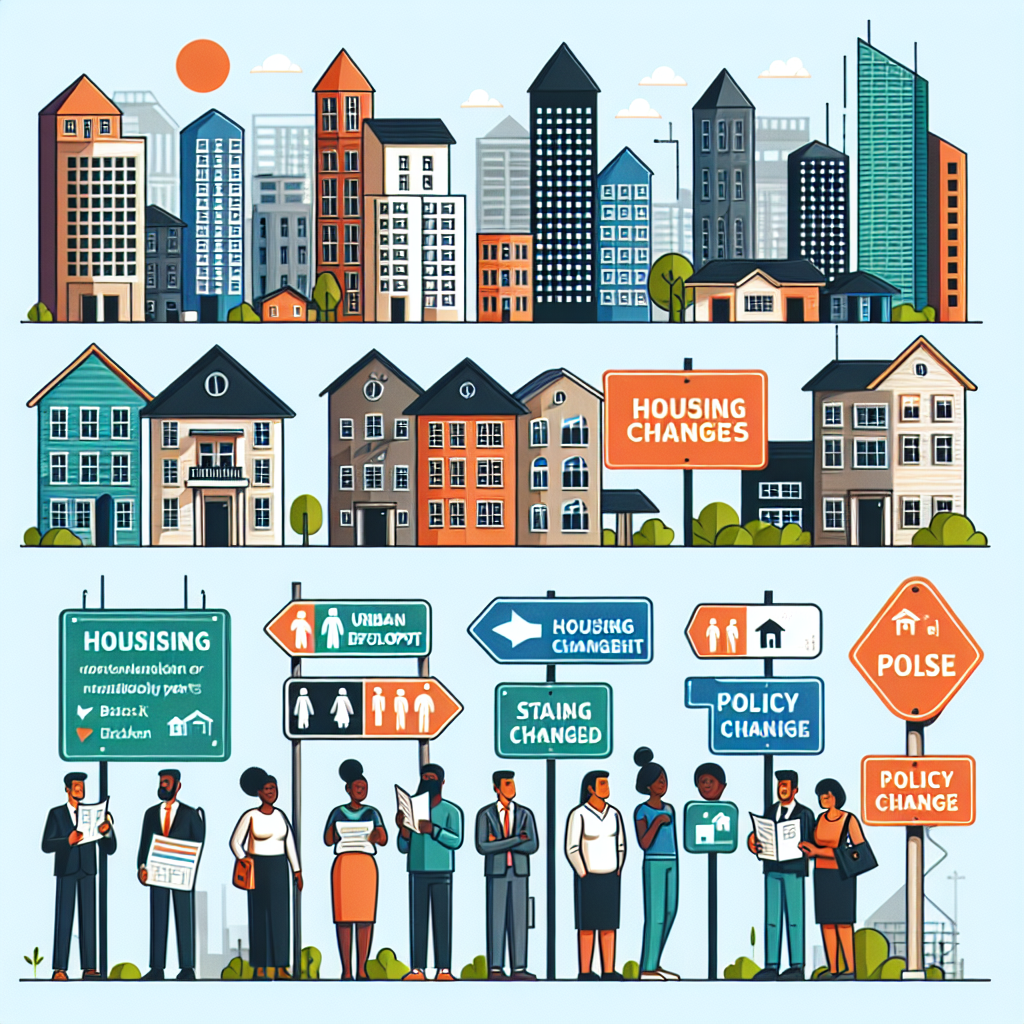

Urban Development and Housing Policy Changes: What Residents Need to Know
Urban development and housing policies are crucial elements driving the transformation of cities in 2025. As the world grapples with rapid urbanization, climate change, and socio-economic challenges, understanding these changes is essential for residents. This article delves into significant urban development and housing policy changes affecting communities and provides insights on what residents need to be aware of moving forward.


Understanding Urban Development Trends in 2025
Urban development is influenced by a multitude of factors, including population growth, economic shifts, and environmental considerations. In 2025, one of the most significant trends is the integration of smart technology into urban planning, which enhances the livability and sustainability of cities. Smart cities leverage Internet of Things (IoT) technology to optimize resources, engage citizens, and deliver services efficiently. For instance, sensors can monitor traffic patterns, manage waste collection, and assess air quality, leading to enhanced urban living conditions.
Moreover, mixed-use developments are gaining traction as residents demand more convenience and accessibility. These projects blend residential, commercial, and recreational spaces to create vibrant communities where people can live, work, and play without the need for extensive commutes. Local governments are increasingly supporting such initiatives through zoning reforms and incentives aimed at promoting density and diversity in urban areas. This shift not only responds to the changing preferences of urban residents but also addresses housing shortages and fosters sustainable economic growth.
Recent Housing Policy Changes Impacting Residents
Housing policy changes in 2025 have adapted to address the evolving needs of urban residents. Prominent among these is the increased focus on affordable housing. As real estate prices continue to soar, many cities are implementing policies that encourage the construction and preservation of affordable units. These policies range from inclusionary zoning, which mandates that a portion of new developments be affordable, to increased funding for public housing projects. By prioritizing affordability, local governments aim to ensure that the benefits of urban development are accessible to all demographic segments.
Additionally, there has been a push for sustainability in housing. The city of San Francisco has introduced incentives for developers to incorporate green building practices into their projects, such as utilizing renewable energy sources and employing sustainable materials. This shift towards more eco-friendly housing not only helps mitigate climate change but also results in lower utility costs for residents over time. As these policies evolve, residents should stay informed about their rights and options concerning affordable housing and sustainability incentives.
Challenges in Urban Development and Housing Policy
Despite promising reforms, numerous challenges persist in urban development and housing policy. One of the most pressing issues is the opposition to new developments from existing residents, often referred to as NIMBYism (Not In My Backyard). This phenomenon can hinder affordable housing projects and slow down urban growth, ultimately exacerbating housing shortages. It is essential for local governments to engage communities in discussions about potential developments to mitigate resistance and build consensus on needed changes.
Furthermore, funding constraints pose a significant barrier to implementing effective housing policies. Many regions are experiencing budget limitations, which affect their ability to invest in infrastructure and affordable housing initiatives. Creative solutions, such as public-private partnerships, are necessary to leverage additional resources and drive development in line with community needs. Residents should advocate for transparency in budgetary allocations and prioritize projects that showcase community engagement and socioeconomic benefits.
Lastly, navigating the regulatory landscape can be daunting for both residents and developers. Increasingly complex policies can lead to confusion and misinterpretation, thwarting development efforts. Simplifying regulations and providing clear guidelines can empower residents and developers to work collaboratively toward achieving common urban goals. Engaging residents in the policy-making process ensures that their needs and concerns are adequately addressed.
The Role of Local Governments in Urban Development
Local governments play a crucial role in guiding urban development while ensuring that policies align with community needs. In 2025, many cities are revisiting their comprehensive plans to reflect changing demographics and economic conditions. These plans outline long-term visions for land use, housing, transportation, and public spaces, and serve as a blueprint for zoning laws and policy decisions. Regular updates to these plans encourage inclusivity by incorporating input from a diverse range of stakeholders, including residents, local businesses, and neighborhood associations.
Moreover, local governments are focusing on equity and access in urban planning. Many communities have adopted policies aimed at reducing systemic inequalities by promoting diverse housing options and equitable distribution of resources. For example, cities are establishing community land trusts, which allow residents to collectively own land and share its benefits. This grassroots approach empowers communities to control development decisions that affect their neighborhoods, helping to ensure that the needs of underrepresented populations are heard and met.
In addition to land use planning, local governments are increasingly integrating community resilience strategies into urban development. These strategies encompass measures designed to cope with climate change, natural disasters, and public health crises. Policies that prioritize open spaces, green infrastructure, and disaster-resistant building designs are being championed to create cities that can withstand and recover from challenges. Residents are encouraged to participate actively in local planning processes to advocate for resilience strategies that best meet their community’s unique needs.
Citizen Engagement and Impact on Urban Policy
In today’s digital age, citizen engagement has become fundamental to influencing urban development and housing policy. In 2025, many municipalities have adopted technology-driven platforms that facilitate open communication between local governments and residents. These platforms allow citizens to express their opinions, participate in decision-making, and advocate for necessary changes in their communities. Engagement tools such as public comment portals, virtual town hall meetings, and social media outreach create opportunities for residents to shape urban policy effectively.
Moreover, educational initiatives are gaining momentum as local governments strive to empower their constituents with knowledge about urban development. Workshops, webinars, and informational campaigns focus on educating residents about the implications of housing policies, zoning laws, and development projects. When residents are well-informed, they can better articulate their needs and advocate for policies that reflect their desires. Educated citizens are more likely to participate actively in local governance, ultimately achieving a collaborative environment conducive to growth.
Community organizations also play a critical role in mobilizing residents around urban issues. These organizations often advocate for marginalized groups, influencing policy changes that promote social equity in housing development and urban planning. By aligning efforts with local governments, they can present a united front to address challenges and contribute innovative solutions to housing shortages and infrastructural needs. As citizens become more engaged in the process, a stronger sense of community ownership and responsibility emerges, fostering sustainable urban environments.
The Future of Urban Development and Housing Policies
As we look ahead, the future of urban development and housing policies in 2025 and beyond will hinge on continued innovation and adaptability. Environmental considerations will remain at the forefront as urban planners incorporate sustainable designs into building codes and zoning regulations. Policies encouraging green infrastructure, renewable energy integration, and efficient land use will likely become the norm, reshaping the urban landscape to prioritize ecological health.
Equity in housing access will also be a focal point for policymakers in coming years. Social housing initiatives and rental assistance programs will become more prominent in addressing the growing affordability crisis in many regions. By involving residents in the design and implementation of these initiatives, cities can ensure that their solutions effectively meet the diverse needs of their populations.
Lastly, the rise of remote work will have lasting implications for urban planning and housing. As hybrid and remote work arrangements continue to gain popularity, cities may see shifts in population density as residents seek affordable housing further from urban centers. Policymakers will have to adapt to these changing dynamics, ensuring that infrastructure, services, and housing remain accessible and equitable for all, no matter where individuals choose to live and work.
Conclusion
Urban development and housing policy changes are transforming cities in 2025, and it is vital for residents to stay informed about these shifts. With trends leaning toward sustainability, affordability, and community engagement, understanding these changes can empower citizens to advocate for their needs and influence future developments. By actively participating in the dialogue surrounding urban planning, residents can help create diverse, inclusive, and thriving urban environments that cater to the well-being of all community members.
FAQs
What are the key trends in urban development for 2025?
Key trends include the incorporation of smart technology in urban planning, mixed-use developments that enhance community convenience, and a heightened focus on sustainability and affordability in housing.
How can local governments ensure housing affordability?
Local governments can promote affordable housing through policies such as inclusionary zoning, increased funding for public housing, and incentives for developers to build affordable units.
What challenges do residents face regarding urban development policies?
Residents often face challenges such as NIMBYism, funding constraints for housing initiatives, and navigating complex regulatory environments. Community engagement and advocacy are vital in addressing these challenges effectively.
How has citizen engagement evolved in urban policy-making?
Citizen engagement has evolved through the use of technology-driven platforms that facilitate communication, as well as educational initiatives that empower residents to advocate for their needs in urban development.
What is the role of community organizations in urban development?
Community organizations advocate for the needs of residents, particularly marginalized groups, influencing policy changes and contributing innovative solutions to housing and urban planning issues.