Voting Rights and Their Evolution in Democratic Societies
Voting Rights and Their Evolution in Democratic Societies
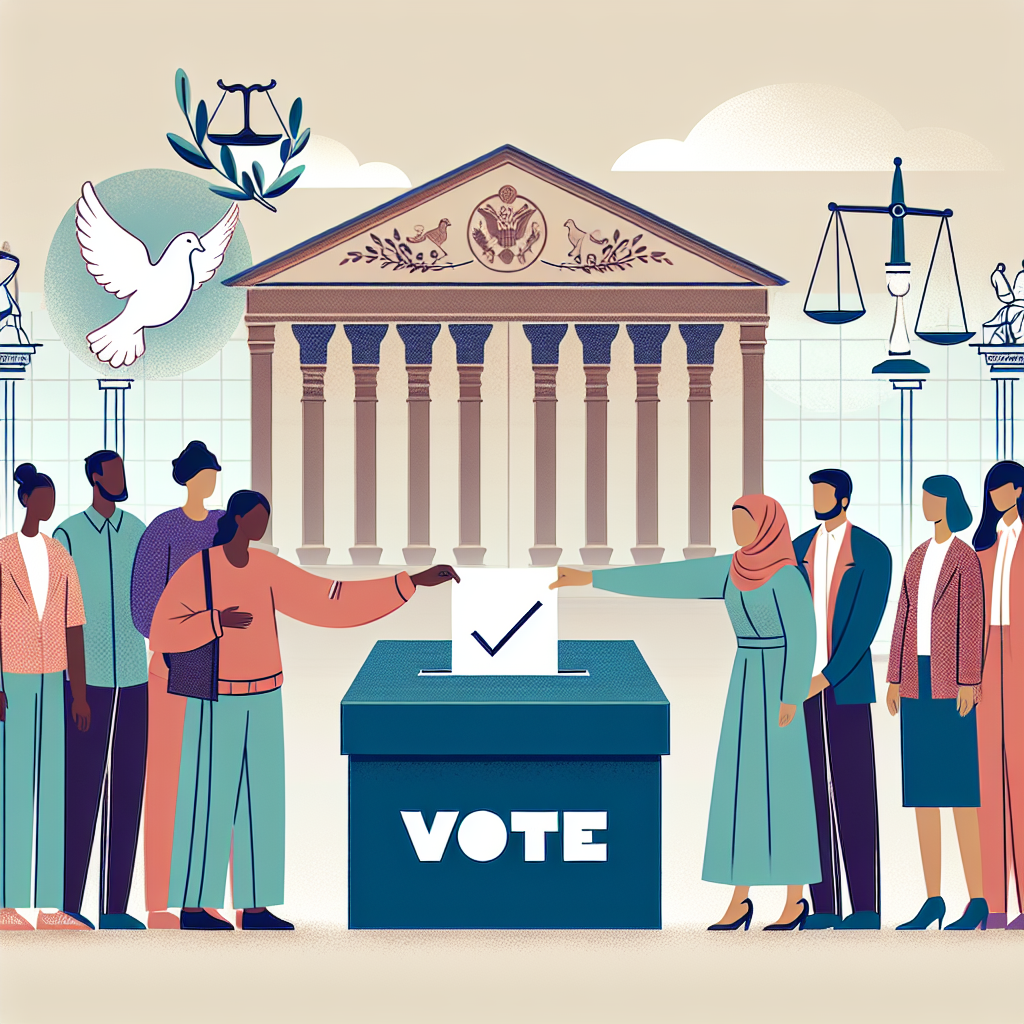
The landscape of voting rights has undergone significant transformations throughout democratic societies, reflecting historical battles for equality, justice, and representation. As we move further into 2025, it is crucial to examine how these rights have evolved, the ongoing struggles associated with them, and their implications for the future of democracy. Understanding the complexities of voting rights not only helps us appreciate our current systems but also empowers individuals to advocate for necessary reforms.
Historical Milestones in Voting Rights
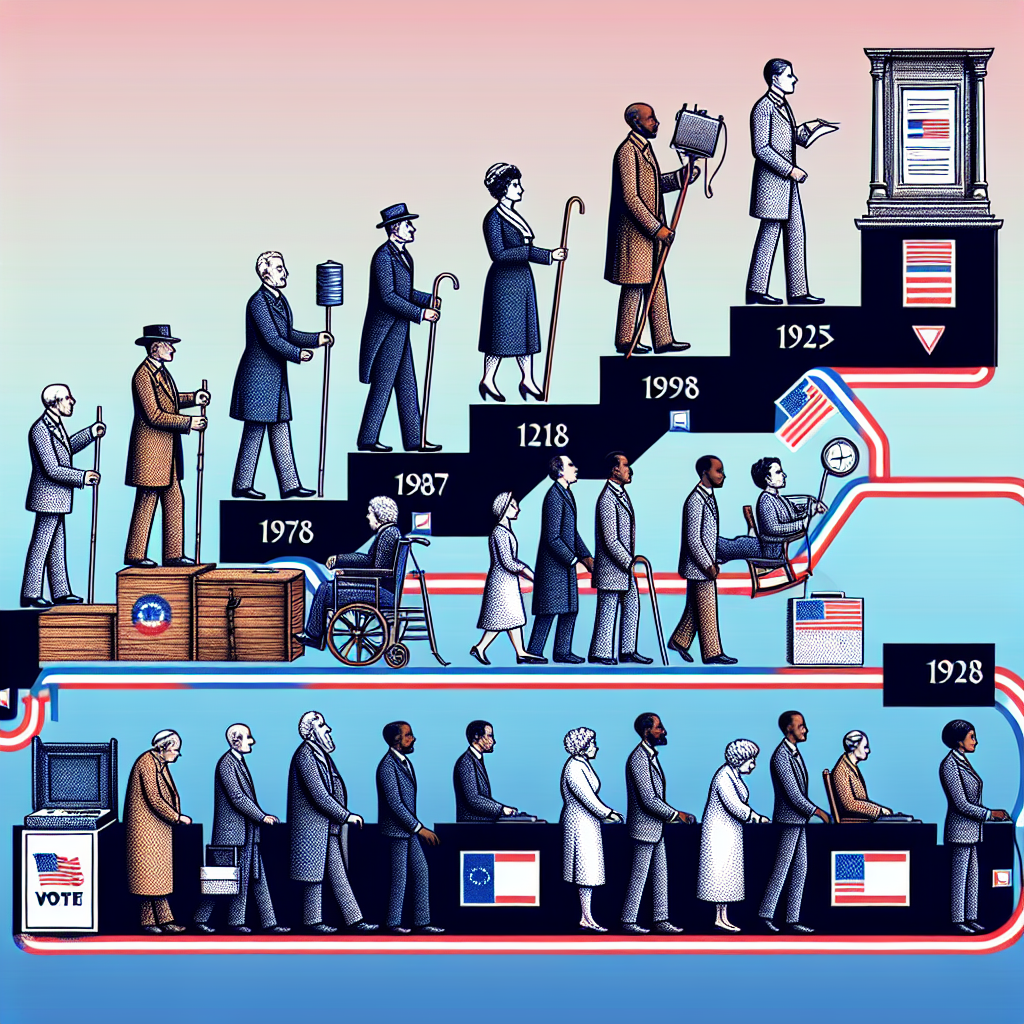
The evolution of voting rights has been marked by specific milestones that have defined democratic participation over centuries. In the early days of democracies, suffrage was reserved for a select group, primarily wealthy white men. However, the suffrage movement in the late 19th and early 20th centuries marked a dramatic turning point. Women’s rights activists, like Susan B. Anthony and Emmeline Pankhurst, spearheaded campaigns demanding the right to vote, arguing that democracy could not truly exist without universal suffrage. In many countries, it took decades of protest and advocacy for women to secure voting rights, culminating in landmark legislation such as the 19th Amendment in the United States in 1920.
Moreover, the Civil Rights Movement of the 1960s further reshaped the voting landscape by challenging systemic barriers that prevented African Americans and other minority groups from exercising their right to vote. The Voting Rights Act of 1965 represented a seismic shift, outlawing discriminatory voting practices and enforcing provisions to ensure federal oversight in states with histories of racial disenfranchisement. These historical milestones illuminate the persistent struggle for voting rights and the ongoing necessity of safeguarding these hard-won freedoms.
The Impact of Technological Advances on Voting Rights
As we progress further into the technological age, the evolution of voting rights also encompasses the integration of digital technology into the electoral process. Innovations such as online voter registration, electronic ballots, and remote voting systems have aimed to streamline participation and enhance accessibility for citizens. By removing traditional barriers, such as long lines and complicated registration processes, technology has the potential to galvanize greater civic engagement and increase voter turnout.
However, this digital shift is not without its challenges. Cybersecurity concerns, influenced by threats of hacking and misinformation campaigns, raise significant questions about the integrity of online voting systems. Furthermore, disparities in technology access among different socio-economic groups can inadvertently perpetuate inequality in voter participation. Thus, while technological advances hold promise for improving voting rights, they also necessitate vigilant oversight to ensure that these innovations do not marginalize vulnerable populations.
The Role of Legislation in Protecting Voting Rights
Legislation plays a critical role in shaping and protecting the evolution of voting rights within democratic societies. Key legislative frameworks, such as the Help America Vote Act of 2002, have been implemented to address issues stemming from the 2000 presidential election, notably the need for standards in voting technology and accessibility. In recent years, renewed calls for comprehensive voting rights legislation, such as the For the People Act and the John Lewis Voting Rights Advancement Act, have gained momentum in response to emerging threats to democracy, including voter ID laws and gerrymandering.
In 2025, debates around voting rights continue to be a pivotal topic at both local and national levels. As disparities in voter access have been exacerbated by various legislative initiatives in different states, grassroots organizations and advocacy groups are mobilizing to counteract these challenges. Through campaigns aimed at raising awareness and providing resources, these groups seek to ensure that all citizens can exercise their democratic right to vote, reaffirming the vital role that legislation plays in safeguarding voting rights.
International Perspectives on Voting Rights
The evolution of voting rights is not a uniquely American story but is a global phenomenon. Across different continents, varying cultures and political systems reflect divergent journeys toward enfranchisement. In many countries, the struggle for voting rights has intertwined with broader movements for social justice and human rights. For instance, in South Africa, the end of apartheid in 1994 allowed for the establishment of a truly democratic system in which all citizens could vote, marking a critical moment for human rights worldwide.
However, challenges remain in various parts of the globe as authoritarian regimes and political corruption continue to undermine electoral processes. In countries such as Venezuela and Belarus, citizens face significant obstacles to exercising their right to vote, including intimidation, censorship, and fraudulent elections. International organizations, such as the United Nations and various human rights NGOs, have increasingly focused on monitoring elections and advocating for free and fair voting practices. These global perspectives on voting rights illustrate the universal struggle for democratic governance and the ongoing need for vigilance in promoting citizen engagement and representation.
The Future of Voting Rights in a Democratic Society
Looking ahead to the future of voting rights in democratic societies, it is essential to recognize the dynamic nature of political participation. As societal norms continue to evolve, new conversations surrounding issues such as automatic voter registration, ranked-choice voting, and efforts to address systemic disenfranchisement are gaining traction. The movement toward inclusivity emphasizes the necessity of considering the voices of historically marginalized groups, including people of color, LGBTQ+ individuals, and those with disabilities.
Moreover, citizens are increasingly utilizing social media platforms to organize and mobilize around voting rights issues. Digital activism has proven effective in raising awareness and pushing for reforms, particularly among younger generations who prioritize social justice. As we approach future elections, the engagement of civil society, coupled with sound legislative frameworks, will be instrumental in fostering an environment where voting rights are robustly protected and accessible to all.
In summary, the evolution of voting rights is a crucial component of democratic governance, with deep historical roots and ongoing relevance in our current sociopolitical landscape. From landmark legislation that has shaped inclusivity to the implications of technological advances, the journey toward universal suffrage reveals both hard-won progress and persistent challenges that demand attention and action for the future.
Conclusion
As we navigate 2025, the evolution of voting rights in democratic societies underscores the enduring struggle for equality and representation. Historical milestones have paved the way for contemporary discussions around accessibility and legislative protections, illustrating the ongoing significance of citizen engagement in shaping democratic processes. While technological innovations present exciting opportunities, the challenges they introduce necessitate careful consideration. Advocating for robust voting rights remains paramount, ensuring that democracies thrive through inclusive and equitable electoral practices.
FAQs about Voting Rights and Their Evolution
What are the main historical milestones in voting rights?
Key milestones include the passing of the 19th Amendment in the U.S., which granted women the right to vote, and the Voting Rights Act of 1965, which aimed to eliminate racial discrimination in voting.
How has technology impacted voting rights?
Technological advancements have facilitated online registration and remote voting, increasing accessibility but also introducing cybersecurity concerns and potential inequalities based on technology access.
What role does legislation play in voting rights protection?
Legislation shapes and protects voting rights through the establishment of standards and laws that ensure fair electoral processes, while also responding to new challenges that arise in the political landscape.
How do voting rights differ internationally?
Voting rights vary widely around the world, influenced by cultural norms and political systems; for example, some countries have successfully expanded suffrage while others remain under authoritarian rule, hindering electoral participation.
What does the future hold for voting rights in democratic societies?
The future is likely to see continued advocacy for inclusivity and accessibility, increased engagement from younger generations through digital platforms, and potential reforms aimed at enhancing democratic participation for all citizens.