Women in Sports: Celebrating Female Athletes through Documentaries
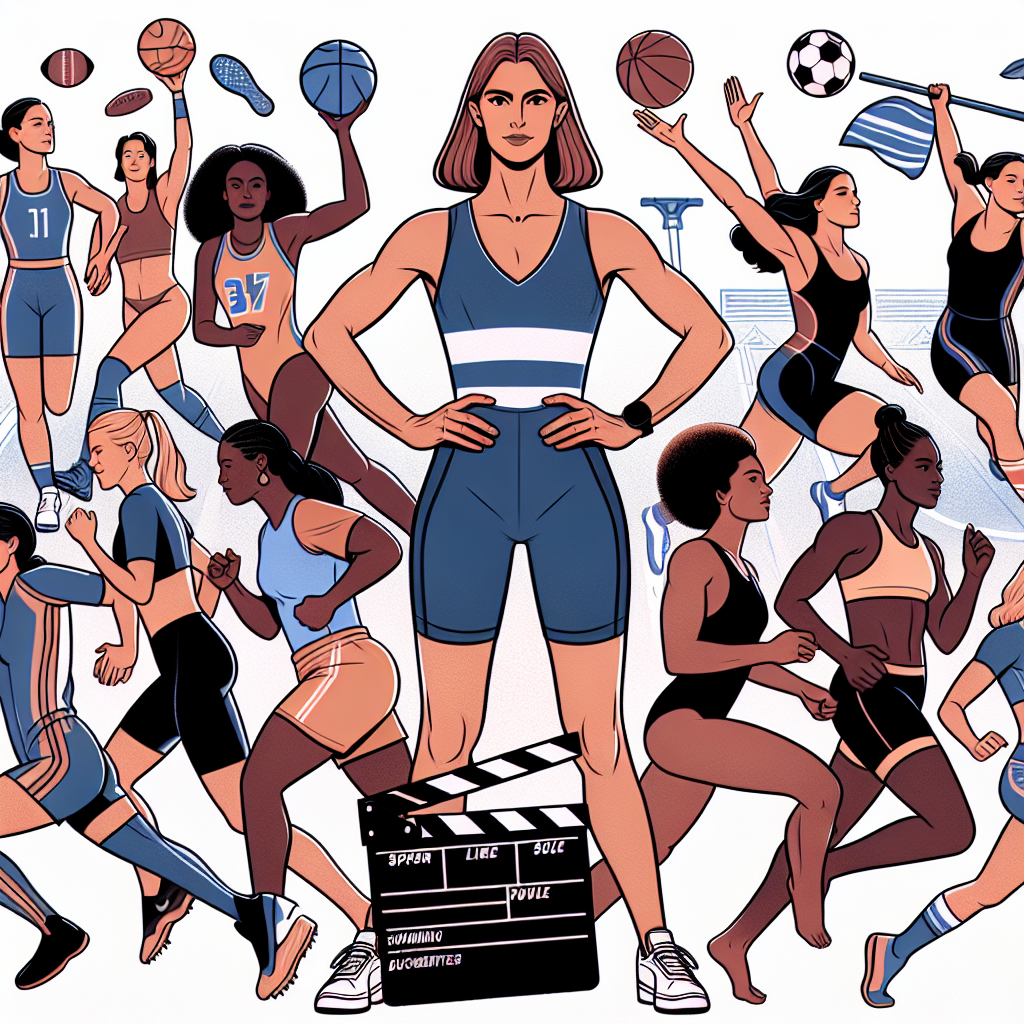
Women in sports have made significant strides over the past few decades, showcasing their resilience, talent, and dedication on the global stage. Documentaries celebrating female athletes play a crucial role in highlighting their stories, struggles, and triumphs, bringing visibility to their contributions in a traditionally male-dominated arena. As we delve into this important topic in 2025, we find that these films not only entertain but also educate and inspire the next generation of female athletes. By examining the impact of these documentaries, we can appreciate the evolution of women in sports and the ongoing quest for equality and recognition.
The Rise of Female Athletes in Documentaries
The past few years have witnessed an increasing focus on female athletes within the documentary genre. Filmmakers have recognized the need to tell authentic stories that reflect the evolution of women in sports, leading to a surge in documentaries that celebrate their achievements. This shift has provided a platform for many female athletes whose stories often went untold due to media bias and cultural stereotypes. A notable example is the documentary “Athlete A,” which follows the harrowing stories of gymnasts who spoke out against abuse in USA Gymnastics, shining a light on the challenges female athletes face beyond the competition.
The intense scrutiny and pressure female athletes experience can often overshadow their athletic prowess. Documentaries like “The Weight of Gold,” which showcases Olympians grappling with mental health challenges, underscore the importance of supporting female athletes both on and off the field. These films are vital for uplifting the narratives surrounding female athletes, providing them with a platform to share their struggles, victories, and the systemic barriers they face. As a result, they encourage not only awareness but also action towards fostering an inclusive athletic environment.
Transforming Perspectives through Storytelling
Documentaries serve as a powerful storytelling medium, capable of transforming public perceptions of women in sports. By presenting in-depth interviews and behind-the-scenes footage, filmmakers create profound emotional connections between audiences and the athletes being showcased. This unique storytelling approach humanizes female athletes, making their journeys relatable and inspiring to viewers from all walks of life. Films such as “Naomi Osaka” and “Icarus” illustrate the complex lives of these athletes, revealing not just their training regimens but also their personal challenges, societal expectations, and battle against the odds.
Moreover, these documentaries contribute to breaking down stereotypes that have historically marginalized women’s sports. When viewers witness the relentless training, perseverance, and raw talent of female athletes, it becomes increasingly difficult to dismiss them as mere entertainers in a male-dominated world. This reframing of narratives not only enhances recognition for these athletes but also broadens the definition of athleticism itself, allowing for a richer understanding of what it means to be a competitor in today’s society.
Showcasing Diverse Voices in Athletes’ Stories
One of the most significant aspects of documentaries celebrating female athletes is the emphasis on diversity and representation. In 2025, the landscape of media continues to diversify, encompassing a broader spectrum of stories that reflect the varied backgrounds, cultures, and experiences of female athletes around the globe. Documentaries like “Beyond the Line” and “Queens of the Court” celebrate athletes from different ethnicities, socio-economic backgrounds, and abilities, showcasing not just their athletic feats but also their roles as advocates for change in their communities.
These narratives are crucial in encouraging young girls from all backgrounds to pursue sports and dream big. When they see women who look like them excelling in their respective fields, it fosters a sense of belonging and possibility. This representation not only motivates young athletes but also challenges systemic barriers that have historically impeded women’s participation in sports, giving them role models to aspire to.
Furthermore, the spotlight on diverse athletes helps to amplify important social issues related to gender and race within the sporting community. Documentaries addressing the struggles of women of color in sports and the fight for equal pay help to educate audiences on these pressing inequalities. As viewers become more engaged with these stories, there is a collective push toward advocacy, policy changes, and increased support for female athletes on all fronts.
The Impact of Social Media and Streaming Platforms
In the digital age of 2025, social media and streaming platforms have revolutionized the way documentaries about female athletes are produced and consumed. These platforms allow for global distribution, enabling athletes’ stories to reach a broader audience than ever before. Streaming services like Netflix and Amazon Prime have invested in original content centered around women in sports, further elevating their visibility. Documentaries such as “The Last Dance” for women’s basketball and “Breaking the Mold,” focused on women in extreme sports, have garnered massive viewership, proving there is a widespread appetite for these narratives.
Moreover, social media has given female athletes a voice to tell their own stories, alongside the traditional documentary format. Many athletes leverage platforms like Instagram, Twitter, and TikTok to share their training regimens, personal battles, and behind-the-scenes moments with fans. This immediacy allows for a more authentic view of the highs and lows of an athlete’s life, fostering deeper connections with audiences. By engaging fans directly, female athletes can counteract misinformation, advocate for causes they support, and build a supportive community that amplifies their impact.
This convergence of traditional documentary storytelling and modern social media has created a powerful synergy. Female athletes can now directly influence and engage their audience, contributing to ongoing conversations about gender equality, mental health, and diversity in sports. The ability to share their experiences in real-time complements the more structured narratives found in documentaries, creating a richer, multifaceted understanding of these women’s lives.
Documentary Festivals and Their Role in Advocacy
Film festivals centered around sports documentaries play a vital role in advocating for female athletes by providing them a platform to discuss their experiences and showcase their stories. Events such as the “Women Sports Documentary Festival” and the “Athlete Voices Festival” promote films that highlight women in sports and explore the cultural landscapes surrounding their experiences. These festivals offer networking opportunities, visibility for independent filmmakers, and a communal space for discussions about gender equity in sports.
In 2025, these festivals not only host screenings but also feature panel discussions, workshops, and mentoring sessions aimed at empowering emerging female filmmakers and athletes. These initiatives highlight the importance of sharing narratives that may not fit the mainstream mold. Diversity in storytelling reflects a more inclusive understanding of sports and encourages future generations to pursue their passions.
Furthermore, these festivals often partner with organizations advocating for women’s rights in sports, raising funds and awareness to advance equity. By championing female athletes through documentaries, film festivals contribute to a larger narrative of women’s empowerment, encouraging societal shifts that embrace inclusivity and challenge systemic barriers.
The impact of these festivals extends beyond the screen; they inspire action in local communities, encouraging conversations about sports, culture, and gender. As female athletes gain visibility through documentary storytelling, they motivate others to take bold steps in their own lives and advocate for change in their communities.
Exploring the Future of Women in Sports Documentaries
As we look toward the future, the role of documentaries in celebrating female athletes will continue to grow. The call for more authentic storytelling and stronger representation will likely propel filmmakers to push boundaries, creating more engaging and impactful narratives. The landscape of women in sports is ever-evolving; thus, it is essential for documentaries to adapt and reflect the current dynamics within sports, such as the fight for equal pay, mental health awareness, and accessibility for women athletes of all backgrounds.
Innovation in technology will also play a significant role in how these stories are told. Incorporating augmented reality (AR) and virtual reality (VR) into documentary filmmaking could provide audiences with immersive experiences, offering a deeper understanding of an athlete’s journey. Imagine watching a documentary where you could virtually step onto the training ground with a leading female athlete or experience the adrenaline of a competitive event firsthand. This potential for engagement may redefine how audiences connect with and comprehend the complexities of women in sports.
In addition, collaborations between female athletes and rising filmmakers will be crucial in shaping future narratives. As the demand for authentic representation grows, the presence of women behind the camera will become increasingly necessary. Diverse storytelling will not only enrich the sports documentary landscape but also ensure that unique voices are heard, paving the way for future athletes and encouraging ongoing advocacy for gender equity in sports.
Conclusion
The celebration of women in sports through documentaries is an essential avenue for showcasing the talent, struggles, and resilience of female athletes. By sharing their stories, filmmakers not only highlight the achievements of these remarkable women but also contribute to larger conversations about equality, representation, and inclusion in the sports world. In 2025, we observe a promising trajectory in promoting female athleticism through various platforms, but there remains much work to be done. The collective efforts of filmmakers, athletes, and audiences will play a significant role in inspiring future generations of female athletes while advocating for change within the sporting community.
### FAQs
Why are documentaries about women in sports important?
Documentaries about women in sports are vital for raising awareness about female athletes’ achievements, struggles, and experiences. They help to promote gender equality, challenge stereotypes, and inspire future generations of females to pursue sports.
What are some notable documentaries about female athletes?
Some notable documentaries include “Athlete A,” “Naomi Osaka,” “The Weight of Gold,” and “Beyond the Line.” Each of these films provides unique insights into the lives and challenges faced by female athletes.
How have social media platforms influenced women’s sports documentaries?
Social media platforms have enabled female athletes to share their experiences directly with fans, fostering engagement and authenticity. They complement documentaries by providing real-time perspectives on athletes’ lives and challenges.
What role do film festivals play in promoting female athletes?
Film festivals dedicated to sports documentaries provide platforms for showcasing female athletes’ stories, facilitate networking opportunities, and promote discussions around gender equity, ultimately advocating for women’s rights in sports.
What is the future of women in sports documentaries?
The future of women in sports documentaries is likely to include innovative storytelling techniques, more representation behind the camera, and a continued focus on authenticity and inclusivity in narratives that resonate with audiences worldwide.