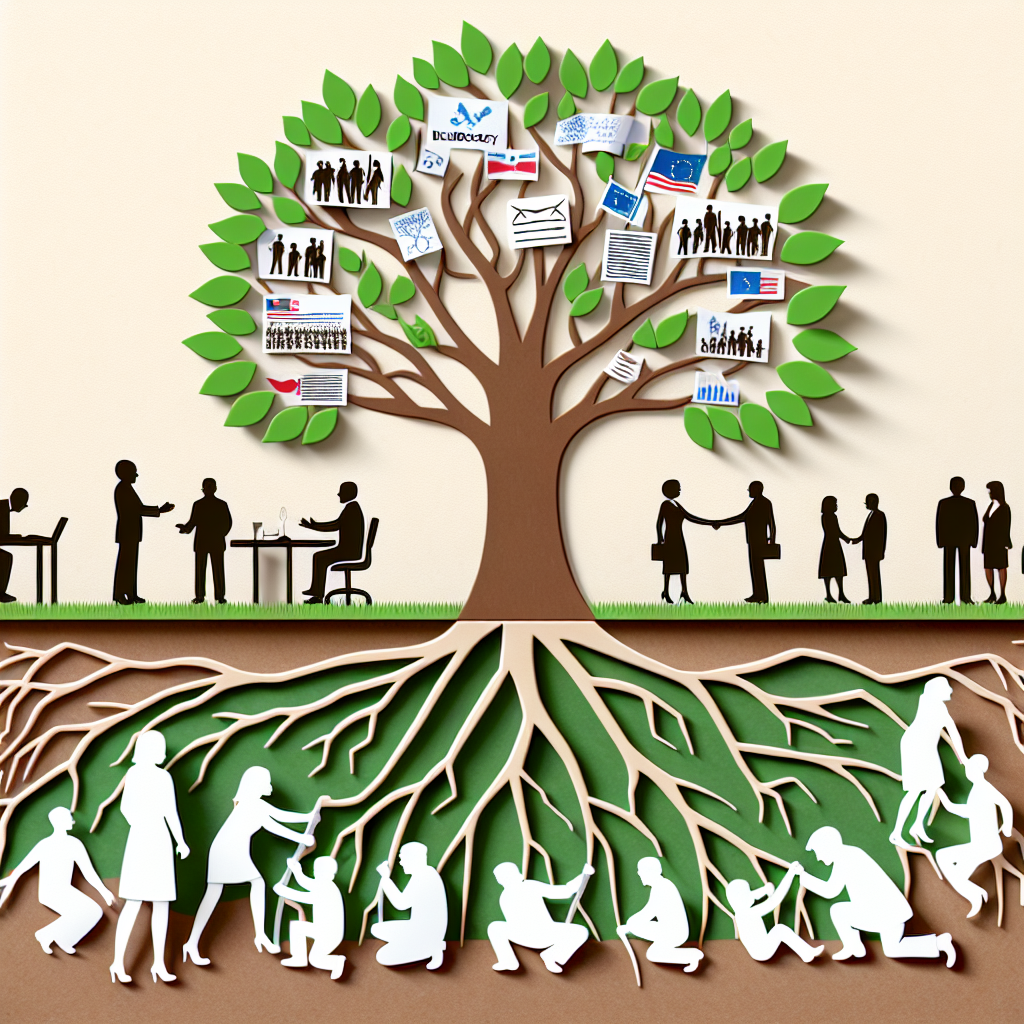
Youth Engagement in Political Reform Movements

Youth Engagement in Political Reform Movements
In the era of rapid social change and technological advancement, youth engagement in political reform movements has become a powerful force influencing governance worldwide. The voices of young individuals—often characterized by their innovative ideas and relentless energy—are reshaping political landscapes, addressing pressing issues from climate change to social justice. This article delves into the significance of youth engagement, exploring historical precedents, contemporary trends, and the impact of digital platforms on grassroots movements in the year 2025.
The Historical Context of Youth Engagement in Political Movements
The roots of youth engagement in political reform movements can be traced back to the civil rights movements of the 1960s and the anti-war protests of the Vietnam War. In many countries, young people have historically been at the forefront of challenging injustices, advocating for peace, and demanding equal rights. These movements were characterized by the passionate activism of youth who were willing to take risks for the values they believed in. As we approach 2025, this legacy of activism continues to inspire a new generation of politically aware youth, who use lessons from the past to inform their strategies and objectives in today’s context.
In recent years, global youth movements have emerged, driven by a deep awareness of issues like climate change, systemic racism, and economic inequality. Events such as the global climate strikes initiated by Greta Thunberg in 2019 exemplified how young voices can mobilize millions across borders. This historical precedent serves as a reminder of the potential impact of youth-led initiatives, showcasing how even seemingly insular local movements can evolve into international calls for reform. The context of 2025 reveals that youth are not just passive participants in politics but have become critical agents of change advocating for transparent, ethical, and inclusive governance.
The Role of Social Media in Youth Political Engagement
The evolution of technology, particularly social media, has revolutionized youth engagement in political reform movements. Platforms like Twitter, Instagram, and TikTok serve as vital tools for organizing, informing, and mobilizing support during campaigns and protests. As of 2025, social media enables rapid dissemination of information, allowing young activists to communicate their messages clearly and effectively. The viral nature of social media allows a single post to reach millions, creating awareness and concern for various social and political issues in a matter of hours.
Moreover, the interactive nature of these platforms fosters a sense of community among youth, breaking geographical barriers and enabling cross-cultural exchanges. Campaigns that begin in one part of the world can inspire similar movements in another. The use of hashtags, such as #YouthForChange or #VoicesOfTomorrow, amplifies these movements and allows youth to express solidarity and support for common causes. Furthermore, social media equips young people with the tools to challenge misinformation, engage in debates, and create narratives that reflect their values and aspirations for a better future.
<h2Challenges Facing Youth in Political Reform Movements
Despite their enthusiasm and drive, youth engaged in political reform movements face a multitude of challenges. One significant barrier is the perception of youth as inexperienced or naive when it comes to political matters. Older generations, including politicians and policymakers, often dismiss the voices of young activists, underestimating their capability to drive significant change. This disconnection can lead to frustration and disengagement among young activists who may feel that their contributions are undervalued or overlooked.
Another critical issue is the mental and emotional toll of activism on young individuals. As movements often tackle challenging topics like climate catastrophe, racial inequality, and systemic oppression, the burden of continuous engagement can lead to burnout and disillusionment. Reports have underscored the mental health impacts of activism, highlighting the need for community support networks to assist young activists in navigating these challenges. Addressing these barriers is crucial to ensuring sustained youth engagement in political reform movements, as it supports their resilience and effectiveness in advocating for change.
Strategies to Enhance Youth Engagement in Political Movements
To effectively bolster youth engagement in political reform movements, it is essential to develop strategies that empower young individuals and nurture their involvement. Educational initiatives aimed at increasing political literacy can play a pivotal role in equipping youth with the knowledge they need to engage actively and confidently. Schools and universities should incorporate curricula that focus on civic education, encouraging students to participate in local governance, understand their rights, and advocate for their beliefs.
Additionally, creating safe spaces for youth to share their experiences and perspectives can foster a sense of belonging and community among young activists. This could take the form of workshops, mentorship programs, or online forums that encourage dialogue and collaboration. Moreover, engaging young people in decision-making processes within political parties and organizations can create avenues for their voices to be heard. By ensuring representation in political discussions and reforms, young people are given a seat at the table and can influence policies that affect their future.
The Future of Youth Engagement in Political Reform Movements
Looking towards the future, the engagement of youth in political reform movements is likely to evolve alongside advancements in technology and social engagement. As of 2025, innovations such as augmented reality (AR) and virtual reality (VR) are beginning to revolutionize how political messages are delivered and experienced. These technologies can create immersive experiences that enhance understanding of social issues, making the case for reform more compelling and relatable.
Moreover, the collaboration between youth-led movements and established organizations is expected to grow, combining grassroots energy with institutional resources. Such partnerships can amplify the voices of young advocates and provide them with the infrastructure necessary to create lasting change. Furthermore, as global challenges become increasingly interconnected, youth engagement in political reform will likely include cross-border alliances, fostering solidarity and shared responsibility in tackling issues like climate change, migration, and human rights abuses.
In conclusion, youth engagement in political reform movements represents a dynamic and vital force shaping the future of global governance. By harnessing their innovative spirit and leveraging technology, today’s youth continue to challenge the status quo and advocate for a more equitable and just society. The legacy of youth activism is one of empowerment and possibility, reminding us that the future is in the hands of those who are willing to take action.
Frequently Asked Questions
What are the main issues that youth engage in within political reform movements?
Youth are actively engaged in a range of issues, including climate change, racial justice, gender equality, and economic reform. They often focus on themes that directly affect their lives and futures, mobilizing for policies that promote social equity, sustainability, and representation.
How can young people get involved in political reform movements?
Young people can get involved by joining local advocacy groups, attending town hall meetings, participating in voter registration drives, and using social media to spread awareness of issues they care about. Additionally, they can attend workshops, volunteer for campaigns, and connect with organizations that align with their values.
What role does education play in youth engagement in political movements?
Education plays a crucial role in fostering youth engagement by providing the knowledge necessary to understand political systems and societal issues. A well-informed youth is more likely to advocate for change, participate in civic activities, and make a positive impact in their communities.