A Historical Perspective on Political Debates in the U.S.
A Historical Perspective on Political Debates in the U.S.
Political debates in the United States have evolved remarkably since the country’s inception, shaping not merely electoral outcomes but also the dynamic landscape of American democracy. From the early, informal discussions among political figures to the highly orchestrated performances we witness today, these debates have become crucial for candidates seeking the presidency. In this article, we will explore the history of political debates in the U.S., examining their origins, transformations, and enduring significance leading into 2025.
The Early Years of Political Debates
Political debates in the United States can trace their roots back to the early 19th century. During this time, informal dialogues and town hall meetings were the primary means through which politicians conveyed their ideas and engaged with constituents. This period saw the emergence of local debates often held in taverns or open spaces, where candidates would address the populace on key issues—primarily land policy, economic growth, and individual rights. Remarkably, these informal conversations emphasized a more personal approach to politics, allowing voters to see candidates as relatable figures rather than distant elites.
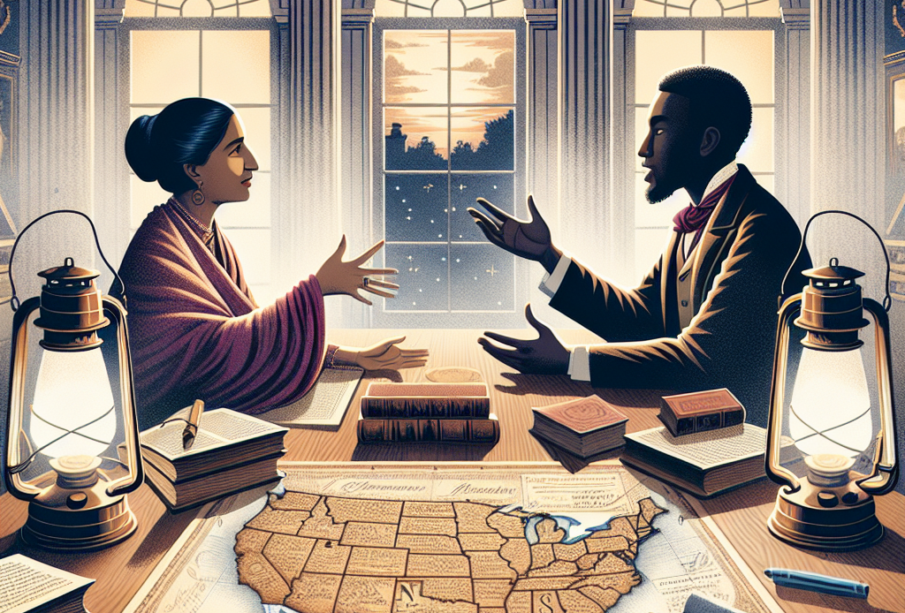
As the nation grew, so did the need for more structured political discourse. The first recognized presidential debate series occurred in 1858 between incumbent Illinois Senator Stephen A. Douglas and Abraham Lincoln. These debates, comprising seven consecutive meetings, revolved around pivotal issues such as slavery and states’ rights. While Lincoln lost the Senate race, the debates significantly boosted his national profile, highlighting the effectiveness of public discourse in shaping political perception. This marked a transformative moment in American politics, establishing debates as a critical platform for candidates to defend their positions and connect with voters, paving the way for future formalized debate formats.
The Rise of Formal Debates: A Transformational Era
The mid-20th century brought about a significant transformation in the nature of political debates, particularly with the advent of television. The first televised presidential debate in 1960 between John F. Kennedy and Richard Nixon marked a turning point in American political culture. This debate was not just a contest of ideas but also an unprecedented spectacle that showcased the importance of appearance, demeanor, and communication style. Kennedy’s charisma and confident performance contrasted starkly with Nixon’s more anxious demeanor, illustrating how media could influence public opinion and electoral outcomes. This event introduced the notion that style could be as critical as substance in the realm of politics.
As television technology advanced, subsequent years saw debates become integral parts of election campaigns, with formats evolving to engage larger audiences. However, concerns emerged about the superficiality of these televised events, as candidates began to craft their messages for maximum impact in this new media landscape. With the 1976 presidential election, Jimmy Carter and Gerald Ford showcased a more conversational style, which began to foster an expectation of authenticity in subsequent debates. The challenges of balancing genuine dialogue with audience expectations remained a significant theme in the following decades, culminating in the realization that debates had become a key theater for political performance and strategy.
The Influence of Technology on Political Debate Formats
As we entered the 21st century, the digital revolution transformed political debates into a multifaceted arena where candidates could engage with voters beyond the confines of traditional broadcasting. Social media platforms emerged as vital tools for real-time interaction and feedback. By 2008, observing the profound impact of platforms such as Facebook and Twitter during the election campaigns, candidates actively utilized these channels to promote their debates, share snippets, and respond to voter inquiries. These changes not only broadened the audience reach but also democratized the discourse, making it easier for the public to engage in political conversations.
In the 2020 election cycle, debates adapted further to meet the challenges of the COVID-19 pandemic. The hybridization of forums, incorporating virtual platforms, represented a significant shift in how debates were conducted. Candidates were faced with technology’s dual role as a facilitator and a potential disruptor, as technical glitches and internet connectivity issues could impact their performance. The debates of 2020 set precedents for addressing social issues such as racial justice and health care, showcasing technology’s role in shaping the narratives surrounding these pivotal topics.
Entering 2025, we see these technological advancements continuing to evolve. Virtual reality and augmented reality applications are emerging as potential tools to create more immersive experiences in political debates. Candidates may soon engage with voters in simulated environments that allow for more interactive discussions, seeking to bridge the gap between traditional formats and modern technological possibilities.
Contemporary Challenges and Evolving Dynamics
As our political landscape continues to evolve, the role of debates is increasingly scrutinized. One significant challenge relates to the increasing polarization of voters and the corresponding expectations of candidates. Contemporary debates often serve as battlegrounds for partisan rhetoric, with candidates aiming to solidify their base while often alienating undecided voters. This dynamic raises the question of whether debates still serve their original purpose as platforms for civil discourse or whether they have devolved into rhetorical spectacles devoid of cooperative dialogue.
Furthermore, the spread of misinformation and manipulated narratives has become a pressing issue for political debates. Candidates are often forced to navigate a landscape where fact-checking and accountability are blurred, complicating the public’s understanding of critical issues. The ability to craft narratives swiftly through social media means that debates may become contentious arenas where the central focus shifts from policy debates to personalities and emotional appeals.
As political debates navigate these contemporary challenges, they are also presented with opportunities to innovate. Future debates could incorporate more diverse perspectives, featuring not just candidates but also voices representing marginalized communities or expert opinions on pressing issues. Incorporating policy experts could enhance the quality of discussion, aiming for productive dialogues that showcase meaningful solutions rather than combative exchanges.
The Future of Political Debates in America
Looking toward the future, the format and significance of political debates in the United States will likely continue to evolve. As we approach the next presidential election in 2028, debates may increasingly integrate innovative technologies that enhance audience engagement. Live polling, interactive Q&A sessions, and tailored content for diverse audience segments are potential developments on the horizon.
Moreover, the role of artificial intelligence in shaping debate dynamics cannot be underestimated. AI could contribute to analyzing candidates’ responses in real-time, generating fact-checking statistics, or providing context to viewers unfamiliar with intricate policy issues. This technological integration could elevate the discourse, challenging candidates to deliver well-articulated and substantiated positions on critical issues.
Finally, the changing demographics of the American electorate will continue to influence the expectations and nature of political debates. As younger generations become more politically active, their demands for authenticity, transparency, and inclusivity will shape how candidates communicate their messages and engage with constituents. The debates will need to reflect the evolving values of the electorate, ensuring that the political discourse resonates with a diverse array of perspectives.
Conclusion
Political debates in the U.S. have come a long way, evolving from informal gatherings into a crucial aspect of the electoral process influenced by technological advancements and shifts in public expectations. As we look toward the future, it is clear that debates will continue to reflect the challenges and dynamics of American society. By fostering open dialogue and inclusive discussion, political debates can maintain their foundational role in American democracy.
FAQs
What are the historical origins of political debates in the U.S.?
Political debates in the U.S. date back to the early 19th century, with informal gatherings evolving into structured dialogues, particularly notable during the Lincoln-Douglas debates in 1858.
How did the invention of television impact political debates?
The first televised presidential debate in 1960 between Kennedy and Nixon marked a significant change by highlighting the importance of appearance and communication style, influencing public perception and electoral outcomes.
What role does technology play in contemporary political debates?
Technology, particularly social media and digital platforms, has transformed political debates by enabling real-time interactions and broadening audience engagement, while also presenting challenges related to misinformation and narrative control.
What challenges do current political debates face?
Current debates are challenged by increasing polarization among voters, the spread of misinformation, and the expectation for candidates to navigate complex issues while appealing to diverse audiences.
What implications do the future of debates have for American democracy?
The future of political debates could enhance civic engagement through innovative formats that incorporate technology, diverse perspectives, and expert opinions, reflecting the evolving values of the electorate.